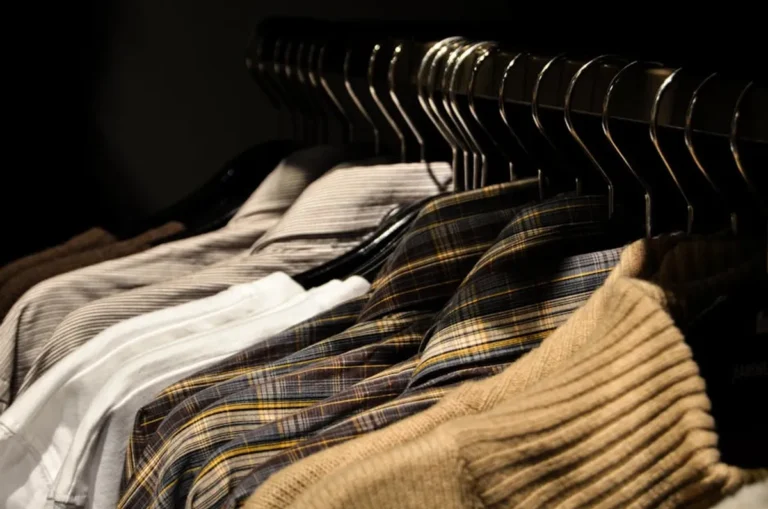
Personal style is rarely a fixed destination; it is a continuous journey marked by evolving tastes, changing life circumstances, and shifts in self-perception. Understanding this dynamic process is crucial for anyone looking to cultivate a wardrobe that genuinely reflects who they are, rather than a collection of disparate items acquired without intention. The challenge lies in recognizing these shifts and strategically adapting your closet to maintain coherence, functionality, and personal expression without succumbing to wasteful cycles of acquisition and discard. This article explores the forces that shape your sartorial identity over time and provides actionable frameworks for managing your wardrobe through these transformations, ensuring your closet remains a valuable asset that serves your current self.
The Core Drivers of Style Evolution
Your personal style does not change in a vacuum. A confluence of internal and external factors continuously reshapes your preferences and needs, directly influencing your clothing choices. Recognizing these underlying drivers allows for a more conscious and proactive approach to wardrobe management.
Life Stages and Milestones
Significant life events are primary catalysts for style evolution. Moving from student life to a first career, navigating parenthood, or entering retirement each brings distinct lifestyle requirements. A professional role might demand more formal attire, while becoming a parent could shift focus towards comfort, durability, and ease of movement. These milestones often necessitate a re-evaluation of practical needs, leading to a natural divergence from previous style norms. For example, a shift from an urban, nightlife-centric lifestyle to a suburban, family-focused one will inevitably alter clothing priorities from statement pieces to more versatile, practical garments.
Career Shifts and Professional Demands
The trajectory of your career often dictates a substantial portion of your wardrobe. An entry-level position in a creative field might encourage expressive, trend-driven clothing, whereas a promotion to a leadership role in a corporate environment could demand a more polished, authoritative aesthetic. Specific industries also impose their own dress codes, implicit or explicit. Understanding these professional demands is not about conforming blindly but about strategically integrating them into your personal style, ensuring your clothing supports your professional goals without sacrificing individual identity. This often involves investing in foundational pieces that can be dressed up or down, adapting to various professional contexts.
Cultural Exposure and Trend Influence
Exposure to new cultures, travel, media, and prevailing fashion trends can subtly, or sometimes dramatically, influence your aesthetic. While chasing every fleeting trend is often unsustainable and unfulfilling, a discerning awareness of broader cultural shifts can inspire new interpretations of personal style. This might involve incorporating specific silhouettes, color palettes, or fabric textures that resonate with your evolving sensibilities. The key is to filter these external influences through your own lens, adopting elements that genuinely enhance your existing style rather than overshadowing it.
Personal Growth and Self-Discovery
Perhaps the most profound driver of style evolution is internal growth. As individuals mature, gain confidence, and refine their understanding of self, their clothing often follows suit. This can manifest as a move towards more authentic expression, a rejection of societal expectations, or a deeper appreciation for quality and craftsmanship over quantity. This journey of self-discovery often leads to a more curated, intentional wardrobe that serves as a true reflection of one's values and personality. It’s a shift from dressing for others to dressing for oneself.
Recognizing Your Evolving Aesthetic
Before making any changes to your closet, it is essential to accurately assess your current style and identify areas where it no longer aligns with your present self. This requires a systematic approach, moving beyond impulse and sentimentality.
The Wardrobe Audit: A Practical Approach
A comprehensive wardrobe audit is the most effective way to understand what you own and how it serves you. This involves physically examining each item and asking critical questions:
- Does this item fit me well *now*?
- Have I worn this item in the last 12 months?
- Does this item align with my current lifestyle and daily activities?
- Does this item make me feel confident and comfortable?
- Is this item in good condition (no irreparable damage, fading, or pilling)?
- Does this item reflect my desired personal image today?
Categorize items into "keep," "repair," "donate/sell," and "discard." This process provides an objective view of your closet's current state and highlights discrepancies between your current needs and your existing inventory.
Identifying Key Pieces and Gaps
Post-audit, analyze your "keep" pile. Identify your true wardrobe workhorses – the versatile, well-fitting items you reach for consistently. These form the foundation of your current style. Simultaneously, note any significant gaps. For example, if your new job requires more formal presentations, but your audit revealed a lack of appropriate blazers or tailored trousers, these become priority acquisitions. Conversely, if your lifestyle has become more casual, you might identify an excess of formal wear that now sits unused. This analytical approach informs future purchasing decisions, ensuring they are strategic rather than reactive.
Pro Tip: When conducting a wardrobe audit, remove everything from your closet and drawers. This creates a blank slate, forcing you to consider each item individually and preventing you from overlooking pieces hidden in the back. Only return items that genuinely serve your current style and needs.
Adapting Your Closet Strategically
Once you understand your evolving style and current wardrobe, the next step is to adapt your closet with intention. This is not about wholesale replacement but strategic refinement.
The "One In, One Out" Principle
To prevent closet overflow and maintain a curated collection, adopt the "one in, one out" rule. For every new item you purchase, commit to removing an existing, similar item from your wardrobe. This forces conscious purchasing decisions and prevents accumulation, ensuring your closet remains a reflection of your current style rather than a historical archive.
Best for: Maintaining a consistently sized and relevant wardrobe.
Investing in Versatile Staples
As your style evolves, the value of versatile, high-quality staples increases. These are items that can be mixed and matched across various outfits and adapted to different occasions through styling. Think classic blazers, well-fitting jeans, neutral-colored knitwear, and simple, elegant dresses. These pieces form the backbone of a dynamic wardrobe, providing flexibility as your preferences shift. Prioritizing quality over quantity in these foundational items ensures longevity and reduces the need for frequent replacements.
The Role of Accessories and Layering
Accessories and layering pieces offer a cost-effective and flexible way to adapt your style without overhauling your entire wardrobe. Scarves, belts, jewelry, and shoes can dramatically alter the perception of an outfit. A simple dress can transition from casual to formal with a change of shoes and the addition of statement jewelry. Layering with cardigans, vests, or jackets allows for seasonal adaptation and adds depth to an ensemble, providing opportunities to experiment with new aesthetics without committing to entirely new garments.
Sustaining Your Style Through Change
The goal is not to reach a static "perfect style," but to develop a sustainable approach to personal expression that embraces change.
Curating a Capsule Wardrobe
A capsule wardrobe, a limited collection of interchangeable clothing items, is an excellent strategy for managing an evolving style. By focusing on a core set of versatile pieces that harmonize in color, fabric, and style, you create a system where every item can be worn with multiple others. This simplifies decision-making, reduces waste, and ensures that your closet is consistently functional and reflective of your current aesthetic. As your style evolves, you can strategically swap out a few pieces in your capsule, rather than needing a complete overhaul.
Ethical Consumption and Longevity
An evolved personal style often incorporates a greater awareness of ethical consumption. This means prioritizing quality garments made from sustainable materials and produced under fair labor practices. Investing in durable, well-made clothing that can withstand the test of time reduces environmental impact and often aligns with a more timeless aesthetic. Repairing items, seeking out second-hand treasures, and supporting brands committed to transparency become integral parts of a conscious and evolving wardrobe strategy.
Cultivating a Dynamic Wardrobe
Your personal style is a living entity, constantly shaped by your experiences, aspirations, and self-understanding. Rather than viewing wardrobe changes as a chore, embrace them as an opportunity for self-expression and mindful consumption. By regularly assessing your needs, strategically adapting your closet, and prioritizing versatility and quality, you can ensure your clothing consistently reflects your authentic self, making your closet a source of confidence and joy, not frustration.
Frequently Asked Questions
How often should I reassess my personal style?
There's no fixed schedule, but a good practice is to conduct a mini-audit seasonally and a more thorough one annually or whenever a significant life event occurs. This helps keep your wardrobe aligned with your current needs.
What if I feel like I don't have a distinct personal style?
Start by observing what you naturally gravitate towards in terms of colors, silhouettes, and fabrics. Pay attention to outfits that make you feel most comfortable and confident. Experiment with different aesthetics through accessories or rented items before committing to new purchases.
Should I get rid of everything that no longer fits my evolving style?
Not necessarily. While decluttering is important, consider keeping a few sentimental or classic pieces that hold value or might be relevant again. For others, consider donating, selling, or repurposing before discarding, prioritizing sustainable options.
How can I make my evolving wardrobe more sustainable?
Focus on quality over quantity, choose versatile pieces, explore second-hand shopping, and support brands with transparent ethical and sustainable practices. Learn basic garment care and repair skills to extend the life of your clothing.