
Building a personal style that endures beyond seasonal fads requires a deliberate approach, shifting focus from rapid consumption to intentional curation. The challenge for many consumers lies in distinguishing between fleeting fashion trends and foundational aesthetic principles that genuinely reflect individual identity. This distinction is critical for developing a wardrobe that feels authentic, performs across various contexts, and offers long-term value, rather than succumbing to the pressure of constant updates. The goal is not to ignore fashion, but to engage with it selectively, integrating elements that enhance a pre-established personal narrative rather than dictating it.
Defining Your Style Foundation
The first step in cultivating a distinctive personal style involves a deep understanding of what resonates with you on an individual level. This moves beyond surface-level preferences and delves into the core elements that define your aesthetic comfort and confidence.
Identifying Core Aesthetic Principles
Begin by analyzing existing clothing items that consistently make you feel your best. What are their common denominators? Consider silhouettes, color palettes, textures, and overall mood. Create a visual inventory, perhaps through a digital mood board or a physical collection of images, that captures recurring themes. This process helps to articulate your innate preferences, which often remain consistent even as external trends shift. For instance, if you consistently gravitate towards clean lines and neutral tones, these are fundamental components of your aesthetic. If bold patterns and vibrant colors dominate, that signals a different core. This self-analysis provides a stable reference point against which new purchases or trend adaptations can be evaluated.
Understanding Your Lifestyle Needs
A truly functional personal style aligns seamlessly with your daily life. Evaluate your routine: professional environment, social engagements, leisure activities, and climate. A wardrobe for someone working in a corporate office differs significantly from one for a remote creative or an outdoor enthusiast. Consider the practical demands placed on your clothing, such as durability, ease of care, and comfort. For example, if your week involves frequent travel, wrinkle-resistant fabrics and versatile pieces that can be dressed up or down become priorities. Identifying these practical requirements ensures that your style is not just visually appealing, but also genuinely supportive of your daily existence, preventing the accumulation of impractical items.
Curating a Wardrobe with Longevity
Once your foundational principles are clear, the next phase involves building a wardrobe designed for durability and adaptability, consciously moving away from disposable fashion cycles.
Prioritizing Quality Over Quantity
Investing in fewer, higher-quality garments offers a tangible return in terms of longevity and appearance. Quality pieces, often constructed from superior materials and with better craftsmanship, retain their shape, color, and texture through repeated wear and washing. While the initial cost may be higher, the cost-per-wear often proves significantly lower than frequently replacing cheaper, less durable alternatives. Focus on natural fibers like wool, cotton, linen, and silk where appropriate, as these often age better and offer superior comfort compared to many synthetics. Before purchasing, examine stitching, seams, and hardware for indicators of robust construction.
Building a Versatile Core Collection
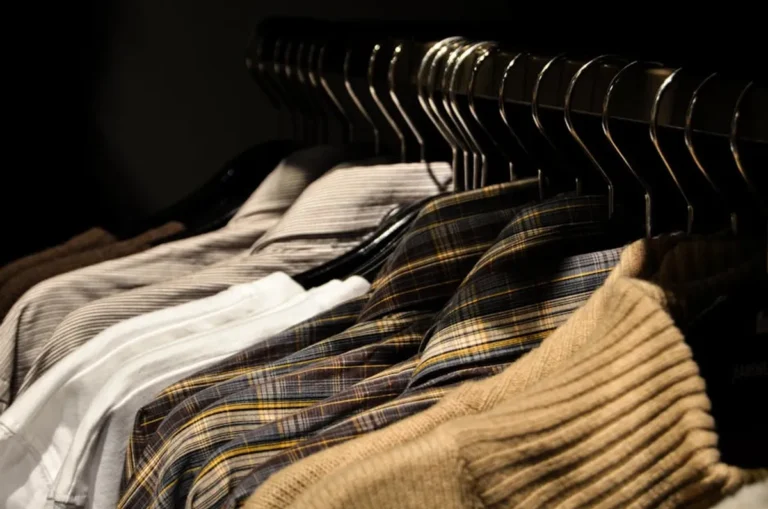
A versatile core collection forms the backbone of any enduring personal style. These are foundational pieces that can be mixed and matched effortlessly, serving multiple purposes across different outfits and occasions. Examples include well-fitting trousers or skirts in neutral colors, classic button-down shirts, quality knitwear, and a versatile outer layer like a trench coat or a tailored blazer. The key is interchangeability; each item should ideally pair with at least three other items in your wardrobe. This approach maximizes outfit combinations from a smaller inventory, reducing decision fatigue and the need for constant new acquisitions.
Incorporating Personal Touches
While a core collection provides structure, personal touches inject individuality. These are often accessories, unique prints, or specific garment details that reflect your personality without being trend-driven. Think statement jewelry, a distinctive scarf, a signature handbag, or a pair of shoes that express your individual flair. These elements act as stylistic punctuation marks, elevating basic outfits and making them distinctly yours. The advantage of personal touches is their ability to update an outfit without requiring a complete wardrobe overhaul, allowing for subtle evolution of style over time.
Navigating Trends Strategically
Completely ignoring trends is impractical, but adopting them wholesale undermines personal style. A strategic approach involves discernment and adaptation.
Distinguishing Enduring Classics from Fleeting Fads
Not all trends are created equal. Some, like the resurgence of certain classic silhouettes (e.g., wide-leg trousers, tailored blazers), often have historical precedent and integrate well into a timeless wardrobe. Others, like highly specific color palettes or novelty prints, are typically short-lived. Develop an eye for this distinction by observing how long a particular style has been present in fashion discourse and how widely it has been adopted across different demographics. Enduring trends often offer practical utility or aesthetic versatility, whereas fads are primarily driven by novelty and rapid obsolescence.
Adapting Trends to Your Existing Aesthetic
Instead of adopting a trend wholesale, consider how a specific element can be integrated into your established style. If a current trend involves a particular color, can you incorporate it through an accessory rather than a full garment? If a silhouette is popular, can you find a version that aligns with your preferred fit and fabric? For example, if oversized blazers are trending, but your style leans tailored, you might opt for a slightly relaxed fit rather than an extreme one. This selective integration allows you to remain current without sacrificing your core identity, treating trends as suggestions rather than mandates.
Pro Tip: Before purchasing a trend-driven item, visualize at least three distinct outfits you could create with existing pieces in your wardrobe. If you struggle to integrate it, the item is likely a standalone piece that won't contribute to a cohesive personal style and will quickly become redundant.
The Role of Fit and Fabrication
Beyond design and trend, the fundamental elements of fit and fabric significantly impact how clothing looks and feels, directly influencing the perceived quality and longevity of your style.
Investing in Tailoring
Even the most expensive garments can look ill-fitting if they aren't tailored to your body. Conversely, a moderately priced item can appear luxurious when perfectly altered. Tailoring ensures that garments complement your physique, creating a polished and intentional silhouette. Common alterations include hemming trousers, adjusting sleeve lengths, taking in waistbands, or refining jacket shoulders. These small investments dramatically enhance the overall presentation of your wardrobe, making clothes feel custom-made and elevating your personal style regardless of brand or trend.
Recognizing Material Impact
The choice of fabric profoundly affects a garment's drape, comfort, durability, and care requirements. Different materials convey different messages and perform differently in various conditions. For instance, crisp cotton projects a structured, clean aesthetic, while a soft cashmere knit offers a luxurious, relaxed feel. Understanding how materials behave—their breathability, wrinkle resistance, and how they interact with your body—is crucial. This knowledge allows for informed choices that align with both your aesthetic preferences and practical needs, ensuring your clothes not only look good but also feel good and last longer.
Cultivating Lasting Style
Building an authentic personal style is an ongoing process of self-discovery and refinement, not a one-time achievement. It involves continuous self-reflection, strategic consumption, and a commitment to quality and fit. By prioritizing your individual aesthetic and lifestyle needs over the transient dictates of fashion trends, you create a wardrobe that serves you effectively, expresses your identity, and provides lasting satisfaction.
Frequently Asked Questions
How do I start defining my personal style if I feel I don't have one?
Begin by observing what you already own and love to wear, noting common colors, textures, and silhouettes. Look for inspiration outside of current trends—in art, architecture, nature, or historical periods—and identify elements that genuinely appeal to you. Create a visual mood board to consolidate these inspirations and identify recurring themes.
Is it possible to incorporate trends into a timeless wardrobe?
Yes, by adopting trends selectively and adapting them to your existing aesthetic. Focus on trends that align with your core style principles, and consider integrating them through accessories or single statement pieces rather than overhauling your entire look. Prioritize quality versions of trendy items that can stand the test of time.
What is the most important factor for an elevated personal style?
Fit is arguably the most critical factor. Clothes that fit well, regardless of their price or brand, instantly elevate your appearance. Investing in tailoring for off-the-rack garments ensures they complement your body shape, creating a polished and intentional look that communicates confidence and attention to detail.