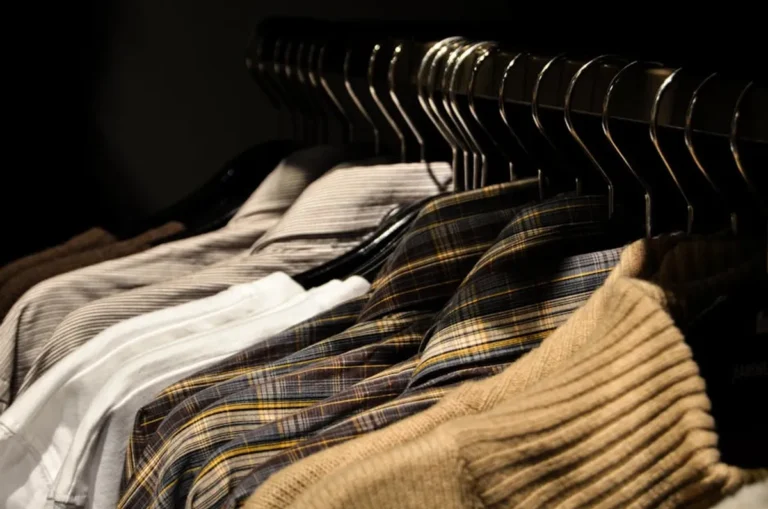

Navigating the world of fashion often presents a dilemma: the desire for elevated aesthetics versus a practical budget. Designer pieces, while aspirational, carry price tags that are prohibitive for most. This creates a market for "designer-inspired" looks—garments and accessories that capture the essence, silhouette, or distinct design elements of high-end fashion without directly replicating logos or brand marks. The goal is to achieve a similar sophisticated appeal, often at a fraction of the cost, by understanding how to identify quality, discern ethical sourcing, and employ smart shopping tactics. This guide outlines how to approach this segment of the market with a discerning eye, ensuring your purchases align with both your style aspirations and financial realities.
Decoding "Designer-Inspired": What to Expect
The term "designer-inspired" occupies a specific niche, distinct from counterfeits or direct knock-offs. It refers to items that draw clear influence from current or classic designer trends, color palettes, fabric choices, or structural forms, but are sold under a different brand name and do not attempt to deceive consumers about their origin. These pieces aim to capture the *vibe* or *aesthetic* of a high-fashion item, making it accessible. Understanding this distinction is crucial; you are not buying a fake, but rather an interpretation or homage. The value lies in the design sensibility and often, the quality of materials and construction that can mimic higher-end items.
Pro Tip: Focus on the underlying design principles—proportion, texture, color theory, and silhouette—rather than overt branding. True designer inspiration lies in these foundational elements, which can be replicated effectively by skilled manufacturers without infringing on intellectual property.
Key Indicators of Quality and Authenticity
When evaluating designer-inspired pieces, quality is paramount. A cheap imitation will quickly reveal itself through poor craftsmanship, undermining the very aesthetic you aim to achieve. Look for specific details that signal durability and thoughtful construction:
- Fabric Composition: Prioritize natural fibers like cotton, linen, wool, and silk, or high-quality synthetics such as Tencel, modal, or well-blended polyesters. Avoid flimsy, sheer, or overly shiny materials that can look cheap.
- Stitching and Seams: Inspect seams for evenness, tightness, and lack of loose threads. Double-stitching on stress points (armholes, waistbands) indicates better durability. Patterns should align correctly across seams.
- Hardware Quality: Zippers, buttons, buckles, and clasps should feel substantial, operate smoothly, and be securely attached. Cheap, lightweight, or tarnished hardware significantly diminishes the perceived value of an item.
- Lining: A garment with a quality lining, especially in jackets, skirts, and dresses, indicates better construction and comfort. The lining should be neatly sewn and not pull or bunch.
- Finishing Details: Check for neat hems, well-finished buttonholes, and accurately placed pockets. These small details contribute significantly to a polished appearance.
Authenticity, in this context, refers to the item's genuine claim as an inspired piece, not a counterfeit. Reputable retailers will clearly label items as "inspired by" or simply offer designs that coincidentally align with current trends. Avoid sellers who use deceptive language or imply a direct affiliation with a luxury brand.
Where to Discover Inspired Pieces
Finding high-quality designer-inspired fashion requires looking beyond the most obvious retail channels. Diverse platforms cater to this specific demand:
Online Marketplaces:
- Specialty Boutiques: Many independent online boutiques curate collections specifically known for offering trend-driven pieces that echo runway styles. These often have a keen eye for quality and current aesthetics.
- Direct-to-Consumer Brands: A growing number of brands cut out traditional retail markups, offering well-made garments at more accessible prices. They often draw inspiration from broader fashion movements.
- Resale Platforms: Sites specializing in pre-owned luxury or contemporary fashion can yield pieces that were originally inspired by designers, now available at a second-hand price point. This offers double value.
Brick-and-Mortar Stores:
- Department Store Private Labels: Many larger department stores develop their own brands that frequently interpret current designer trends, offering similar styles at a lower price point.
- Mid-Range Fashion Retailers: Stores positioned above fast fashion but below luxury often excel at translating runway trends into wearable, affordable collections. These retailers invest more in design and material quality than ultra-low-cost alternatives.
Best for: Discovering unique interpretations and higher-quality materials.
Ethical Shopping: Understanding the Nuances
The line between inspiration and infringement can be delicate. Ethical shopping for designer-inspired looks means avoiding direct copies or items that attempt to pass themselves off as genuine designer goods. Supporting brands that produce original designs, even if those designs are clearly influenced by broader trends, is key. This encourages creativity and fair competition. Conversely, purchasing outright counterfeits not only supports illegal practices but also often funds exploitative labor conditions and offers inferior product quality. Prioritize transparency from sellers regarding their manufacturing processes and design origins. When a deal seems too good to be true for a "designer" item, it almost certainly is a counterfeit.
Practical Shopping Strategies for Value
Maximizing your budget while building a stylish wardrobe involves more than just finding the right items; it requires strategic shopping habits:
Timing Your Purchases:
- End-of-Season Sales: Like designer collections, inspired pieces often go on significant markdown at the close of a fashion season. This is the ideal time to acquire classic or transitional items.
- Mid-Season Promotions: Keep an eye out for flash sales or special promotions from your preferred retailers. Subscribing to newsletters can provide early access to these discounts.
Cost-Per-Wear Mindset: Evaluate items not just by their upfront cost, but by how often you anticipate wearing them. A slightly more expensive, well-made "inspired" coat that you wear for five seasons offers better value than a cheaper, trend-driven jacket worn only a few times.
Versatility and Longevity: Choose pieces that can be styled in multiple ways and integrate seamlessly with your existing wardrobe. Classic silhouettes and neutral colors often have greater longevity and versatility, making them smarter investments.
Maintaining and Styling Your New Acquisitions
Even the best designer-inspired pieces require proper care to maintain their appearance and extend their lifespan. Follow care labels meticulously. For delicate fabrics, hand washing or professional dry cleaning might be necessary. Store garments correctly, using appropriate hangers for structured items and folding knits to prevent stretching. Styling plays a crucial role in elevating an inspired look; pair well-chosen pieces with quality accessories, ensuring your overall presentation is polished. A well-fitting garment, regardless of its origin, always looks more expensive than one that is ill-fitting.
Building a Curated, Affordable Wardrobe
The objective of shopping smarter for designer-inspired looks is not merely to save money, but to cultivate a wardrobe that reflects sophisticated taste without financial strain. This involves thoughtful selection, prioritizing quality over quantity, and understanding the nuances of fashion influence. By focusing on foundational pieces, recognizing superior craftsmanship, and employing strategic purchasing habits, you can achieve a high-impact style that feels both current and authentically yours. The satisfaction comes from knowing you've built a cohesive, elegant wardrobe through intelligent choices, not just expense.
Frequently Asked Questions
What is the difference between "designer-inspired" and "counterfeit"?
Designer-inspired items draw aesthetic influence from high-end fashion but are sold under their own brand, without logos or deceptive branding, aiming to capture a similar style. Counterfeits illegally replicate brand logos and designs to deceive consumers into believing they are genuine luxury items.
How can I ensure the quality of an inspired piece before buying online?
Look for detailed product descriptions specifying fabric composition, read customer reviews with photos, and check return policies. Prioritize retailers known for their quality control and transparent product information.
Are designer-inspired items ethical to purchase?
Purchasing designer-inspired items from legitimate brands that create their own interpretations is generally ethical, as it supports fair competition and accessible fashion. Avoid items that are direct copies or counterfeits, which often involve illegal practices and exploitative labor.
Can designer-inspired pieces truly look high-end?
Yes, if you focus on quality materials, excellent craftsmanship, and classic silhouettes. The key is discerning well-made interpretations from cheap imitations, and then styling them thoughtfully with attention to fit and accessories.