
The digital landscape is saturated with outfit posts, making distinctiveness a critical factor for visibility and audience engagement. Generic presentations, often characterized by static poses, uninspired backdrops, and repetitive captions, fail to capture attention or provide value beyond a fleeting visual. To stand out, outfit content must transition from mere product display to a narrative-rich, context-driven experience that resonates with specific reader needs and search intent. This requires a deliberate approach to visual composition, textual storytelling, and strategic optimization, ensuring each post serves a clear purpose for the audience and search engines.
Beyond the Mirror Selfie: Crafting Unique Visual Narratives
The foundation of a non-generic outfit post lies in its visual presentation. Moving past standard full-body shots demands creative direction that highlights the clothing’s utility, texture, and emotional impact.
Contextual Backdrops and Settings
Instead of a blank wall, integrate environments that complement the outfit's aesthetic or intended use. A tailored suit gains authority in an urban business district, while a casual weekend ensemble feels more authentic against a natural landscape or a bustling market. This contextualization helps viewers envision themselves wearing the outfit in relevant situations, fostering a stronger connection. For example, showcasing a rain jacket during a light drizzle demonstrates its functional benefits more effectively than a studio shot.
Dynamic Poses and Movement
Static, catalog-style poses limit engagement. Incorporate movement, candid moments, or action shots that convey how the clothing behaves when worn. A dress photographed mid-twirl reveals its drape and flow, while a jacket caught in motion illustrates its comfort and fit. These dynamic visuals communicate the garment's real-world appeal, providing practical information about its wearability.
Detail-Oriented Photography
Zoom in on specific elements that distinguish the outfit: the stitching on a denim jacket, the unique button closure on a shirt, or the texture of a knit sweater. High-resolution detail shots confirm material quality and design intricacies, offering viewers a closer look at what makes an item special. This level of detail helps users make informed decisions, especially when considering purchasing similar items.
Storytelling Through Style: Narrative Hooks and Purpose
A truly non-generic outfit post does more than show; it tells. Each ensemble can be a starting point for a broader conversation or a specific problem solved.
Defining a Clear Theme or Occasion
Every outfit should serve a purpose. Instead of "Today's Outfit," frame it around a specific theme: "Work-from-Home Wardrobe Refresh," "Transitioning from Day to Night," "Building a Capsule Travel Collection." This thematic approach provides a specific context, making the content more discoverable for users searching for solutions to particular styling challenges.
Integrating Personal Anecdotes or Experiences
Share how the outfit makes you feel, where you wore it, or the inspiration behind its assembly. Personal stories create an emotional connection and establish authenticity. For example, describing how a certain pair of boots withstood a long city walk adds a layer of practical endorsement that a simple product description cannot replicate. This human element differentiates your content from purely commercial presentations.
Addressing Specific Styling Challenges
Use outfit posts to solve common style dilemmas. "How to wear bright colors without feeling overwhelmed," or "Layering for unpredictable spring weather." By framing the outfit as a solution, you provide tangible value, attracting users who are actively seeking advice rather than just inspiration.
Pro Tip: When selecting keywords for your outfit posts, go beyond basic item names. Research long-tail phrases that describe the specific styling challenge, occasion, or aesthetic your outfit addresses. For example, instead of just "red dress," consider "how to style a red midi dress for a summer wedding" or "casual red dress outfits for brunch." This precision targets users with high intent, improving search visibility and relevance.
Optimizing for Discovery: SEO for Outfit Posts
Even the most creative outfit post needs to be found. Strategic SEO ensures your unique content reaches the right audience.
Keyword Research for Outfit Components and Concepts
Perform thorough keyword research not only for individual garment types (e.g., "linen trousers," "oversized blazer") but also for styling concepts (e.g., "minimalist workwear," "bohemian festival outfits," "sustainable fashion brands"). Use these keywords naturally within your post title, subheadings, and body text. Focus on phrases that potential readers would use when searching for inspiration or solutions.
Descriptive Alt Text and Image File Names
Every image in your outfit post needs descriptive alt text that accurately portrays the visual content and incorporates relevant keywords. Instead of "IMG_001.jpg" or "outfit.jpg," use "woman in blue floral maxi dress standing by a vintage car" for the file name and a similar, slightly varied description for the alt text. This improves accessibility and provides search engines with crucial context for image search rankings.
Internal and External Linking Strategy
Link internally to other relevant outfit posts, styling guides, or product reviews on your site. This builds topical authority and encourages users to explore more of your content, increasing time on site. Externally, link to the specific products or brands featured, but ensure these links open in a new tab to retain your audience. This provides a valuable resource for readers looking to replicate or purchase items.
Engagement Beyond Likes: Fostering Community
Non-generic outfit posts invite interaction, transforming passive viewing into active participation.
Prompting Discussion with Open-Ended Questions
Conclude your post with questions that encourage comments and sharing. "What's your go-to layering trick for spring?" or "How do you style a denim jacket differently?" This shifts the focus from a one-way presentation to a two-way conversation, building a more engaged community.
Showcasing Versatility and Styling Options
Instead of just one look, demonstrate how key pieces can be styled in multiple ways. A single dress styled for three different occasions (work, casual, evening) provides more value than three separate posts featuring unique items. This approach highlights the longevity and adaptability of clothing, resonating with users seeking practical wardrobe advice.
Leveraging User-Generated Content (UGC)
Encourage readers to share their own interpretations of your outfits or styling challenges. Feature selected UGC on your platform (with permission), creating a sense of community and providing fresh content perspectives. This collaborative approach makes your outfit posts a hub for style discussion, not just a personal showcase.
Elevating Your Style Content
To move beyond generic outfit posts, prioritize visual storytelling, narrative depth, and strategic SEO. Each element contributes to content that not only looks good but also provides tangible value, solves problems, and actively engages its audience. By focusing on context, purpose, and discoverability, your outfit content can become a trusted resource rather than just another image in the feed.
Frequently Asked Questions About Outfit Posts
How often should I publish new outfit posts?
Consistency is more important than frequency. Aim for a schedule you can realistically maintain, whether that's once a week or twice a month, ensuring each post is high-quality and well-researched. This builds audience expectation and helps search engines understand your content cadence.
Should I always link to the exact products I'm wearing?
While linking to exact products is helpful for conversion, it's not always necessary or possible. If an item is old or unavailable, link to similar styles or explain how to achieve a similar look. The goal is to provide value and inspiration, not just a shopping list.
What role does video play in non-generic outfit content?
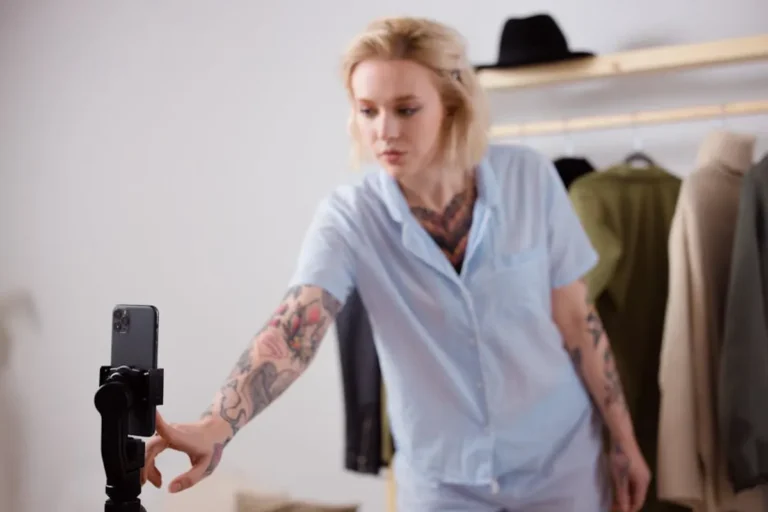
Video can significantly enhance outfit posts by showcasing movement, fabric drape, and styling versatility in ways static images cannot. Short-form video (e.g., reels, stories) can demonstrate how an outfit looks from different angles or how individual pieces are layered, offering a dynamic perspective that reduces perceived genericness.
How can I ensure my outfit posts remain authentic?
Authenticity stems from genuine personal style, honest opinions, and transparent communication. Avoid overly polished or unrealistic presentations. Share the challenges of styling, the thought process behind choices, and imperfections, as these elements build trust and relatability with your audience.