
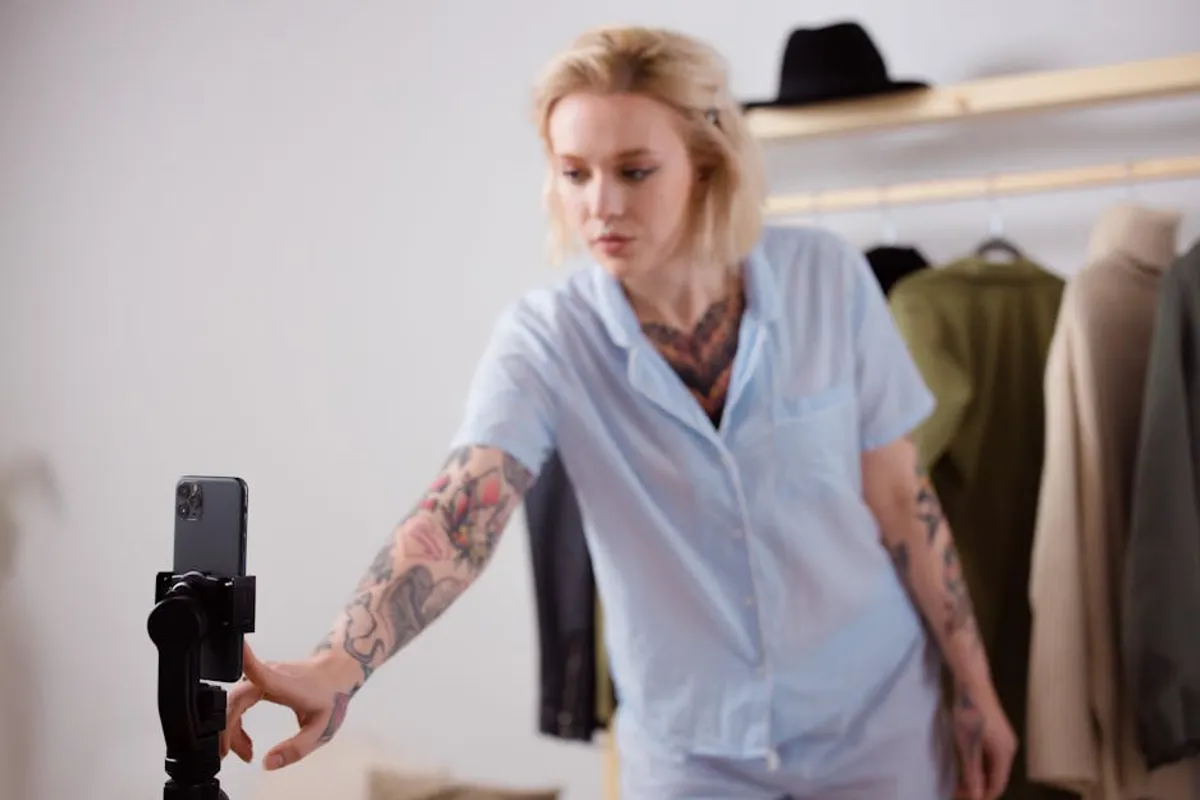
For personal style sites, consistent, engaging content is the engine of audience growth and monetization. The challenge lies not just in posting regularly, but in generating ideas that resonate with readers, drive organic traffic, and establish you as an authority. Generic "outfit of the day" posts, while a staple, often lack the depth and search intent necessary to build a sustainable content strategy. To move beyond fleeting trends and cultivate an evergreen content library, a strategic approach to blog post ideation is essential. This guide offers a curated list of high-impact fashion blog post ideas designed to attract and retain your target audience, enhance search visibility, and provide actionable value.
Crafting Compelling Personal Style Content
Before diving into specific ideas, consider the foundational elements that make personal style content effective. Your target audience dictates the tone, complexity, and visual style. A Gen Z audience on TikTok might prefer quick, visually driven content, while a professional millennial audience on a blog may seek detailed styling advice and ethical brand recommendations. Authenticity is paramount; readers connect with genuine perspectives, not aspirational facades. For SEO, incorporate relevant keywords naturally within your posts, headings, and image alt text. Visuals are non-negotiable in fashion; high-quality photography, clear styling, and consistent aesthetics elevate your content. Seasonality and current trends offer timely content opportunities, but balance these with evergreen topics that remain relevant year-round. Finally, every post should guide the reader, whether to explore related content, sign up for a newsletter, or browse affiliate links.
1. Seasonal Trend Forecasts & Styling Guides
This content type positions your site as a go-to resource for understanding and interpreting upcoming fashion trends. Instead of just listing trends, focus on how to integrate them into an existing wardrobe, offering practical styling tips for different body types or occasions. This demonstrates expertise and provides actionable value, moving beyond simple trend reporting to practical application.
Best For: Readers seeking guidance on updating their wardrobe with current styles, establishing authority in fashion forecasting, and capturing seasonal search traffic.
Pros:
- High search volume during pre-season and seasonal peaks.
- Establishes thought leadership and keeps content fresh.
- Opportunities for affiliate partnerships with brands aligned with predicted trends.
Cons:
- Requires proactive research and an understanding of fashion cycles.
- Content has a shorter shelf-life compared to evergreen topics.
- Risk of misinterpreting or promoting trends that don't gain traction.
Verdict: Essential for relevance, these posts drive timely traffic and position your site as a current, informed voice in fashion, provided you offer genuine styling advice, not just trend recaps.
2. Wardrobe Staples & Capsule Collection Building
These posts provide foundational advice for building a versatile, functional wardrobe. Focus on core pieces that transcend seasons and trends, explaining their utility, quality indicators, and multiple styling options. This addresses a common reader pain point: creating a cohesive wardrobe without constant purchasing. Detail how to select, care for, and integrate these pieces for maximum utility.
Best For: Readers interested in minimalist fashion, sustainable consumption, or those looking to streamline their personal style with versatile pieces.
Pros:
- Highly evergreen content with consistent search demand.
- Positions the site as a practical, resourceful guide.
- Strong potential for affiliate income through links to recommended staple items.
Cons:
- Can become repetitive if not approached with unique angles.
- Requires thorough research into quality brands and material science.
- Visuals need to clearly demonstrate versatility, which can be time-consuming.
Verdict: A powerful evergreen content pillar, these posts build trust by offering practical, long-term value, encouraging readers to return for reliable advice.
3. "How to Style" Specific Garments
Focus on a single, often challenging, garment (e.g., a leather skirt, wide-leg trousers, a trench coat) and demonstrate multiple ways to wear it for different occasions or aesthetics. This micro-focus solves a direct reader problem: how to maximize the utility of an item they already own or are considering buying. Visual examples are crucial here, showing distinct looks rather than just describing them.
Best For: Engaging readers with specific styling dilemmas, showcasing creativity, and driving traffic for long-tail keyword searches related to individual garment styling.
Pros:
- Directly answers specific user queries, leading to high engagement.
- Showcases personal styling creativity and versatility.
- Evergreen potential, especially for classic garments.
Cons:
- Requires diverse styling and photography for each garment.
- Can be resource-intensive to produce high-quality visual content.
- Less broad appeal than general trend reports.
Verdict: Excellent for deep engagement and demonstrating practical styling expertise, these posts build a loyal audience seeking specific, actionable advice.
4. Outfit Recaps & Daily Style Diaries
These posts offer a glimpse into your authentic daily style, showcasing what you actually wear and why. Beyond just photos, include details about the pieces, where they were purchased, and the thought process behind the outfit choices. This builds a personal connection with your audience, making your style relatable and achievable. Consider linking to similar items if exact pieces are unavailable.
Best For: Building a personal connection with the audience, showcasing real-life styling, and inspiring readers with achievable everyday looks.
Pros:
- High authenticity and relatability, fostering community.
- Relatively quick to produce if integrated into daily routines.
- Strong potential for affiliate sales through "shop the look" sections.
Cons:
- Requires consistent, high-quality photography of daily outfits.
- Can become repetitive if not varied with different contexts or themes.
- Less direct SEO potential for broad keywords; more for brand/personal search.
Verdict: While not always SEO powerhouses, these posts are crucial for audience connection and authenticity, transforming casual readers into loyal followers and potential customers.
5. Budget-Friendly Fashion Finds & Dupes
This content caters to a significant audience segment looking for stylish options without a high price tag. Highlight affordable alternatives to designer pieces ("dupes"), sales finds, or strategies for shopping on a budget (e.g., thrift stores, discount retailers). Authenticity is key; genuinely recommend items you would wear, explaining why they are good value. Include comparison photos where appropriate.
Best For: Attracting budget-conscious shoppers, driving affiliate sales for affordable retailers, and expanding your audience reach beyond luxury fashion enthusiasts.
Pros:
- Taps into a massive, highly engaged audience segment.
- Strong potential for affiliate income due to accessible price points.
- Positions the site as practical and inclusive.
Cons:
- Requires constant monitoring of sales and new arrivals.
- Risk of promoting fast fashion if not balanced with ethical considerations.
- Quality control can be challenging with lower-priced items.
Verdict: Highly effective for broad appeal and driving conversions, these posts require diligent research and a commitment to genuine value propositions.
6. Sustainable & Ethical Fashion Deep Dives
Address the growing demand for conscious consumption by exploring sustainable brands, ethical production practices, and ways to build a more environmentally friendly wardrobe. This can include brand reviews, guides to understanding certifications, tips for clothing care to extend lifespan, or discussions on textile innovations. This positions your site as a thought leader in a critical and evolving niche.
Best For: Engaging an environmentally and socially conscious audience, building authority in a specialized niche, and differentiating your site from mainstream fashion blogs.
Pros:
- Attracts a dedicated and loyal niche audience.
- Positions the site as responsible and forward-thinking.
- Evergreen content with increasing search interest.
Cons:
- Requires extensive research and verification of claims.
- Niche can be smaller, potentially limiting immediate traffic volume.
- Affiliate opportunities may be more limited compared to mainstream fashion.
Verdict: While requiring significant research, these posts build deep trust and attract a highly engaged audience, establishing a strong, values-driven brand identity.
7. Personal Style Evolution & Storytelling
Share your own journey of developing personal style, including past fashion "mistakes," key influences, and how your style has changed over time. This narrative approach is deeply personal and relatable, allowing readers to connect with you on a human level. Use old photos to illustrate the journey, making it visually engaging and authentic. Discuss the "why" behind your style shifts.
Best For: Building a strong personal brand, fostering deep audience connection, and demonstrating the organic, non-linear nature of style development.
Pros:
- Highly engaging and builds strong personal connection.
- Unique content that cannot be replicated by competitors.
- Showcases authenticity and vulnerability.
Cons:
- Requires sharing personal experiences and potentially old photos.
- Less direct SEO potential for transactional keywords.
- May not appeal to readers solely seeking quick styling tips.
Verdict: Essential for humanizing your brand, these posts deepen audience loyalty and differentiate your site through genuine, relatable storytelling.
8. Shopping Hauls & Product Reviews
Document recent purchases, explaining why you chose each item, how you plan to style it, and an honest review of its quality, fit, and value. This provides immediate inspiration and practical feedback on specific products. Focus on detailed, unbiased reviews rather than just showcasing new items. Include sizing information and fabric details to add value.
Best For: Providing immediate shopping inspiration, offering practical product insights, and driving affiliate sales through direct product recommendations.
Pros:
- High engagement and direct conversion potential.
- Addresses specific product-related search queries.
- Can be easily integrated with video content for multi-platform reach.
Cons:
- Requires consistent purchasing of new items, which can be costly.
- Content can quickly become outdated as products sell out or seasons change.
- Risk of appearing overly commercial if not balanced with genuine reviews.
Verdict: Effective for driving conversions and timely traffic, these posts demand transparency and a consistent flow of new, relevant products to review.
9. Fashion Challenges & Styling Games
Create interactive content by challenging yourself or your audience to style a single item in multiple ways, or to create outfits from a limited wardrobe. Examples include "One Dress, Five Ways" or "30 Days, 30 Outfits." This encourages creativity, provides fresh content, and fosters community participation. Invite readers to share their own takes, potentially featuring them.
Best For: Boosting engagement, fostering community interaction, and showcasing creative styling solutions with existing wardrobe pieces.
Pros:
- Highly engaging and encourages user-generated content.
- Showcases creativity and resourcefulness.
- Can be adapted to various themes and timeframes.
Cons:
- Requires significant planning and consistent execution.
- May not have strong direct SEO benefits for broad keywords.
- Success relies heavily on audience participation.
Verdict: Excellent for community building and demonstrating creative styling, these posts elevate engagement beyond passive consumption, making readers active participants.
10. Body Type & Fit Guides
Provide practical advice on dressing for different body shapes, focusing on how to choose garments that flatter specific figures. Move beyond simplistic "apple" or "pear" categories to offer nuanced guidance on proportions, cuts, and fabrics. This content is incredibly valuable for readers who struggle with fit and feel overlooked by generic fashion advice. Include specific garment recommendations.
Best For: Addressing a common and often sensitive reader pain point, building trust through inclusive and practical advice, and capturing highly specific search queries.
Pros:
- Highly valuable and directly addresses a common reader problem.
- Evergreen content with consistent, high search intent.
- Positions the site as inclusive and body-positive.
Cons:
- Requires careful, sensitive language and diverse visual representation.
- Can be challenging to provide universal advice without oversimplification.
- Needs thorough research to avoid perpetuating outdated body stereotypes.
Verdict: A powerful content type for building a loyal, appreciative audience, these guides require empathy and detailed, actionable advice to be truly impactful.
11. Event-Specific Outfits & Occasion Wear
Focus on styling for particular events that often cause wardrobe dilemmas, such as wedding guest attire, office holiday parties, first date outfits, or vacation packing lists. These posts are highly searchable during specific times of the year or before common events. Offer complete outfit ideas, including accessories, and consider different formality levels or dress codes.
Best For: Capturing high-intent search traffic for specific events, providing complete styling solutions, and driving affiliate sales for occasion-specific attire.
Pros:
- High search volume during relevant seasons or before major events.
- Directly solves immediate reader problems.
- Strong potential for affiliate income with complete outfit recommendations.
Cons:
- Content can be highly seasonal, requiring timely updates.
- Risk of promoting overly generic looks if not approached with creativity.
- Requires diverse styling to cater to different tastes and event types.
Verdict: Timely and highly actionable, these posts are excellent for capturing peak-season traffic and providing immediate, comprehensive styling solutions.
12. DIY Fashion & Customization Projects
For the creative and hands-on audience, offer tutorials on how to customize existing garments, upcycle old clothes, or create simple fashion accessories. This content promotes sustainability, uniqueness, and personal expression. Include clear, step-by-step instructions, material lists, and photos of the finished product. This can range from basic alterations to more complex craft projects.
Best For: Engaging a creative and resourceful audience, promoting sustainability, and offering unique, actionable content that stands out.
Pros:
- Highly unique and engaging content.
- Promotes sustainability and personal creativity.
- Can attract a different segment of the fashion audience.
Cons:
- Requires specific crafting skills and clear tutorial presentation.
- Production can be time-consuming due to step-by-step photography.
- Niche appeal, potentially limiting broad traffic.
Verdict: A strong differentiator for a personal style site, these posts build a creative community and offer unique value beyond traditional styling advice.
Measuring Content Impact and Evolving Your Strategy
Content creation is an iterative process. To ensure your blog post ideas are effective, track key performance indicators. Monitor organic search traffic to individual posts to identify which topics resonate with search engines and users. Analyze engagement metrics like comments, shares, and time on page to understand audience interest. For monetized content, track affiliate link clicks and conversions to gauge commercial effectiveness. Use this data to refine your content calendar, double down on high-performing topics, and experiment with new angles for underperforming ones. Regularly update evergreen content to maintain its relevance and search ranking. Your audience's preferences evolve, and your content strategy should, too.
Frequently Asked Questions
How often should a personal style site publish new content?
Consistency is more important than frequency. Aim for a schedule you can realistically maintain, whether that's weekly, bi-weekly, or monthly. A consistent schedule builds reader expectations and signals to search engines that your site is active. Prioritize quality and depth over simply hitting a publishing quota.
Is high-quality photography essential for fashion blog posts?
Yes, high-quality visuals are non-negotiable for personal style content. Fashion is inherently visual, and clear, well-lit, aesthetically pleasing photos are critical for conveying style, showcasing details, and engaging readers. Poor photography can significantly detract from even the best written content.
Should I use affiliate links in my blog posts?
Affiliate links can be a significant monetization channel for personal style sites. Integrate them naturally where they add value, such as linking to recommended products, similar items, or specific brands. Always disclose affiliate relationships transparently to maintain reader trust, as required by regulations.
How do I find my unique niche within personal style blogging?
Your niche emerges from the intersection of your personal style, expertise, and what genuinely excites you, combined with an understanding of your target audience's unmet needs. Experiment with different content types, analyze what resonates most with your readers, and identify what makes your perspective distinct. Authenticity and consistency in your chosen niche will attract a dedicated following.