
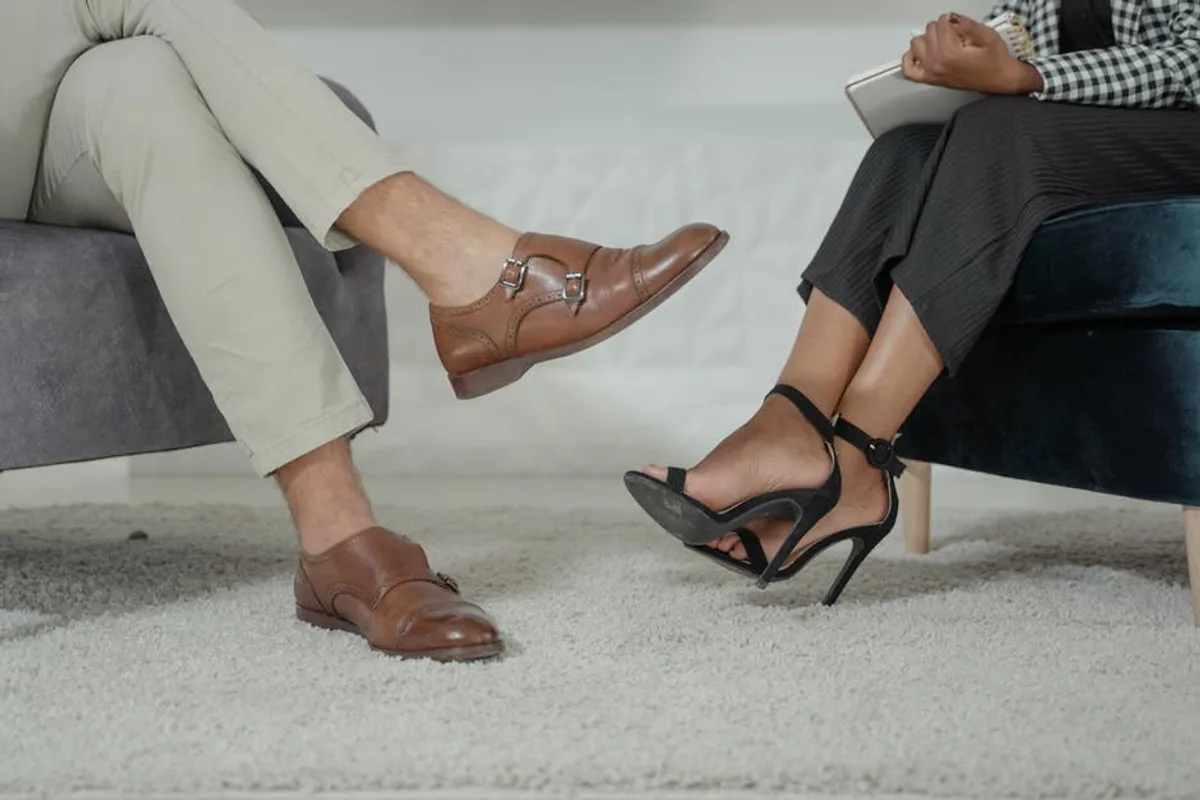
The landscape of heeled footwear is expansive, offering a diverse array of designs tailored for specific aesthetics, comfort levels, and occasions. Navigating these options effectively requires understanding the fundamental distinctions between heel types. This guide details the characteristics of various heels, providing practical context for selecting the appropriate style, whether prioritizing stability for extended wear or seeking a specific silhouette for a formal event.
Understanding Heel Heights
Heel height significantly influences both the aesthetic impact and the wearer's comfort and stability. Classifying heels by their vertical measurement provides a foundational understanding for selection.
Kitten Heels
Kitten heels are characterized by their short, slender profile, typically ranging from 1 to 2 inches (2.5 to 5 cm). They often feature a slight curve at the back, positioned centrally under the heel. This height offers a subtle lift without compromising stability, making them a practical choice for prolonged wear.
Pro Tip: Kitten heels provide a polished look with minimal strain, making them an excellent option for professional settings or events requiring extensive standing and walking. Their lower height also makes them a suitable stepping stone for those new to wearing heels.
Best for: Daily office wear, semi-formal events, individuals seeking a modest lift, or those prioritizing comfort over dramatic height.
Mid Heels
Mid heels typically measure between 2 to 3 inches (5 to 7.5 cm). This height strikes a balance between elegance and wearability, offering more lift than a kitten heel without the pronounced arch of a high heel. They provide a noticeable elongation of the leg line while generally maintaining a comfortable stride.
Best for: Versatile styling, from business casual to cocktail parties, extended social engagements, or when a moderate lift is desired without sacrificing comfort.
High Heels
High heels generally begin at 3 inches (7.5 cm) and can extend upwards, sometimes reaching 5 inches (12.5 cm) or more. This category encompasses a wide range of styles, all designed to create a dramatic silhouette, lengthen the legs, and alter posture. The increased height often correlates with reduced stability and greater pressure on the ball of the foot.
Best for: Formal events, evening wear, fashion statements, or occasions where maximum leg-lengthening and a striking profile are primary considerations.
Exploring Heel Shapes
Beyond height, the shape and thickness of the heel itself dictate the shoe's aesthetic, stability, and overall feel. Each design offers distinct visual and functional attributes.
Stiletto Heels
Stiletto heels are defined by their exceptionally thin, often needle-like profile, tapering to a fine point at the base. They can vary in height but are most commonly found in high heel ranges (3+ inches). The slender nature of the stiletto provides minimal surface area for contact with the ground, resulting in a distinctly elegant, yet less stable, walking experience. Their visual impact is significant, contributing to a refined and often dramatic look.
Best for: Formal occasions, evening wear, red carpet events, or when a sleek, sophisticated, and leg-elongating effect is paramount.
Block Heels
Block heels are characterized by their wide, solid, and often square or rectangular shape. They offer a significantly larger surface area than stilettos, distributing weight more evenly across the foot. This design provides superior stability and comfort, making them a practical choice for longer periods of wear. Block heels can range from low to high and appear on various shoe styles, from sandals to boots.
Best for: Everyday wear, office environments, outdoor events, casual outings, or anyone prioritizing stability and comfort without sacrificing height.
Wedge Heels
Wedge heels are unique in that the heel forms a continuous, solid piece from the back of the shoe to the sole, elevating the entire foot. This design eliminates the traditional gap between the heel and the sole, offering maximum support and an even distribution of body weight. Wedges are available in various heights and can feature different materials, from cork to espadrille to solid wood.
Best for: Casual summer wear, vacation attire, outdoor events on uneven surfaces, or when seeking maximum comfort and stability with significant height.
Cone Heels
Cone heels are wide at the top, where they meet the shoe, and taper down to a narrower point at the base, resembling an ice cream cone. This shape offers a balance between the stability of a block heel and the elegance of a thinner profile. They can vary in height and are seen across various shoe types.
Best for: Adding a touch of sophistication to casual or semi-formal outfits, or when seeking a distinctive heel shape that still offers reasonable stability.
Flare Heels
Flare heels are the inverse of cone heels, starting narrower at the top and widening as they extend towards the ground. This design provides a unique silhouette and often enhances stability compared to a stiletto, as the wider base offers more contact with the walking surface. They are a popular choice for retro-inspired footwear.
Best for: Fashion-forward looks, vintage-inspired ensembles, or when a unique, statement heel is desired with improved stability over very thin heels.
Spool Heels
Spool heels are characterized by a distinctive hourglass shape, wider at the top and bottom, and narrower in the middle. This design, often associated with period footwear, provides a visually interesting profile. While not as stable as a block or wedge heel, the wider top and bottom sections offer more support than a pure stiletto.
Best for: Adding a unique, classic, or whimsical touch to an outfit, often found on pumps or slingbacks for semi-formal occasions.
Popular Heel Styles and Their Applications
The type of shoe itself also dictates the overall look and how the heel is integrated. Understanding these combinations helps in making informed choices.
Pumps
Pumps are classic closed-toe shoes, typically featuring a low-cut front and a heel that can range from kitten to high stiletto. They are a staple in professional and formal wardrobes due to their clean lines and versatile silhouette. The heel is usually integrated directly into the shoe's structure, providing a seamless look.
Best for: Business attire, formal events, cocktail parties, or any occasion requiring a polished, sophisticated appearance.
Sandals
Heeled sandals encompass a broad category of open-toed footwear with various strap configurations and heel types. From delicate strappy stilettos to comfortable block-heeled platforms, sandals are designed for warmer weather or indoor events. The open design allows for breathability and often highlights pedicures.
Best for: Summer events, evening wear, casual outings, or when showcasing a pedicure and requiring an open-toe design.
Boots
Heeled boots come in numerous shaft heights and styles, from ankle boots to over-the-knee designs. The heels on boots can vary widely, including block, stiletto, or wedge styles, influencing their wearability and aesthetic. Heeled boots often provide more foot and ankle support than open shoes, especially in colder weather.
Best for: Fall and winter fashion, adding an edgy or sophisticated touch to outfits, providing warmth, or for specific fashion statements.
Mules
Mules are backless shoes with an open or closed toe, featuring a heel that can range from low to high. Their slip-on design offers convenience and a contemporary aesthetic. The absence of a back strap means the foot is held in place primarily by the vamp, requiring a secure fit to prevent slipping.
Best for: Effortless style, casual to semi-formal occasions, quick dressing, or when seeking a modern, chic shoe with easy wearability.
Slingbacks
Slingbacks feature a strap that goes around the back of the heel, leaving the rest of the foot exposed from the arch backward. This design offers a secure fit while maintaining an open, elegant look. They typically have a pointed or almond toe and can feature various heel heights and shapes, most commonly stiletto or block.
Best for: Professional settings, semi-formal events, or when a classic, refined shoe with a secure yet open feel is desired.
Selecting Your Ideal Heel
Choosing the right heel involves balancing aesthetic preference with practical considerations. Evaluate the event, the duration you'll be wearing them, and your personal comfort threshold.
- Occasion: Formal events often call for stilettos or classic pumps, while casual outings might suit block heels or wedges.
- Duration of Wear: For long periods of standing or walking, prioritize block heels, wedges, or kitten heels for their enhanced stability and weight distribution.
- Personal Comfort: Understand your tolerance for height and arch support. Experiment with different heel types and heights to identify what feels best.
- Outfit Coordination: Consider how the heel type complements the overall silhouette and style of your attire. A delicate stiletto might clash with a rugged, oversized ensemble, for example.
- Surface Type: Walking on grass or cobblestones is more manageable with wider heels like blocks or wedges, whereas stilettos can sink or get caught.
Frequently Asked Questions
Which type of heel is generally considered the most comfortable for extended wear?
Block heels and wedge heels are typically considered the most comfortable for extended wear due to their wider base, which distributes weight more evenly and provides greater stability than thinner heel types.
How do I choose the right heel height for an event?
Consider the formality and duration of the event. For long, active events, opt for lower heels (kitten, mid) or stable options (block, wedge). For formal, seated events, higher, more dramatic heels (stiletto) are often appropriate.
Are there specific heel types that are better for walking on uneven surfaces?
Yes, block heels and wedge heels are significantly better for uneven surfaces like grass, cobblestones, or gravel. Their broader contact area prevents them from sinking or getting caught, offering more secure footing.
What are the most versatile heel types for a wardrobe?
Mid-height block heels and classic pumps with a comfortable heel height are highly versatile. They can transition seamlessly from professional settings to casual outings and semi-formal events, making them a practical investment.



