
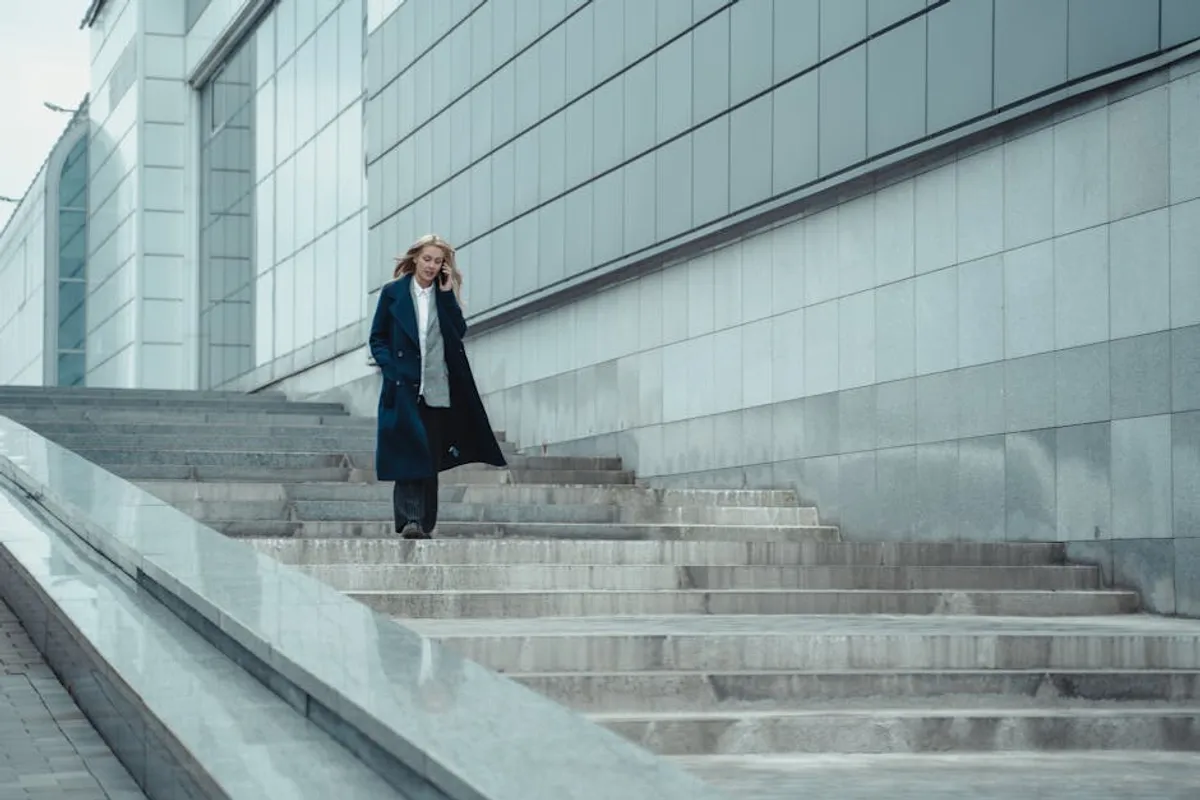
Transforming a coat from a functional necessity into the focal point of an ensemble requires intentional styling and a keen eye for detail. This approach shifts the investment from mere warmth to a strategic wardrobe element, leveraging outerwear as the primary visual statement. The goal is to select and integrate pieces that elevate the coat, ensuring it commands attention and defines the overall aesthetic, rather than simply complementing it. Understanding how to build an entire look around a singular, impactful coat provides commercial value by maximizing the versatility and perceived worth of high-quality outerwear.
Defining a Statement Coat
A coat achieves "statement" status through distinctive attributes that immediately draw the eye. It moves beyond basic utility by incorporating elements of design that set it apart. These characteristics often include bold color, unique texture, an unconventional silhouette, or intricate embellishments.
Color Impact
Bold hues or unexpected shades are primary drivers for a statement coat. Think vibrant fuchsia, electric blue, emerald green, or a deep, rich burgundy. The commercial appeal lies in the instant visual recognition and the ability of a single color to transform a subdued outfit. These colors are chosen for their saturation and ability to stand out against common neutrals, providing an immediate focal point without requiring complex layering.
Texture and Material
Tactile elements significantly contribute to a coat's impact. Materials like plush faux fur, shaggy shearling, rich bouclé, or patent leather create visual interest and add depth. A coat crafted from a unique weave or an unexpected fabric blend instantly elevates its status. For example, a heavy wool coat with an exaggerated napped finish offers a different commercial proposition than a smooth, conventional wool, appealing to consumers seeking tangible luxury and distinctiveness.
Silhouette and Structure
The cut and shape of a coat can be its most defining feature. Oversized proportions, architectural lines, a dramatic cape back, or an exaggerated belted waist create a powerful silhouette. A coat with structured shoulders or a voluminous A-line cut makes a deliberate design statement. These structural choices dictate how the coat drapes and moves, influencing the overall impression of the outfit and often signaling a higher-end design.
Pattern and Embellishment
Intricate patterns, such as large-scale plaids, bold animal prints (leopard, zebra), or abstract geometrics, draw the eye. Embellishments like heavy hardware, intricate embroidery, contrast piping, or unique button detailing further distinguish a coat. These elements are not merely decorative; they are integrated design features that contribute to the coat's narrative and commercial value, often reflecting artisanal craftsmanship or specific fashion trends.
Strategic Styling Principles for Outerwear as the Main Look
Building an outfit around a statement coat requires deliberate choices for the accompanying garments to ensure the coat remains the dominant element. The strategy involves creating a supportive framework that highlights, rather than competes with, the outerwear.
The Understated Canvas
To ensure the coat stands out, the base layers should be neutral and minimalist. Opt for solid colors such as black, white, gray, navy, or beige. Simple silhouettes like a slim-fit turtleneck, tailored trousers, or a plain shift dress provide a clean backdrop. This approach prevents visual clutter, allowing the coat's color, texture, or pattern to truly pop without distraction. The commercial advantage here is that basic wardrobe staples become essential components, increasing their utility and perceived value when paired with high-impact outerwear.
Balancing Proportions
The volume and cut of the statement coat should inform the choices for the rest of the outfit. An oversized or voluminous coat pairs effectively with more fitted underlayers to maintain balance. Conversely, a streamlined, tailored coat can accommodate slightly looser trousers or a wider skirt. This prevents the outfit from appearing shapeless or overwhelmed, ensuring a cohesive and intentional look. For example, a dramatic faux fur coat requires a sleek, narrow foundation to avoid an overly bulky appearance.
Accessorizing Thoughtfully
Accessories should complement the coat without vying for attention. This often means choosing understated pieces or selecting accessories that echo a minor detail in the coat, such as a metallic button or a subtle color in its pattern. A simple leather handbag, delicate jewelry, or a solid-colored scarf can enhance the overall look without overshadowing the main garment. The commercial implication is that accessories become strategic accents, extending the lifespan and versatility of both the coat and the accessories themselves.
Footwear Integration
Footwear plays a crucial role in completing the statement coat ensemble. The style and height of the shoe can significantly alter the outfit's overall tone.
- Sleek Boots: Ankle boots or knee-high boots in a neutral tone (black, brown, gray) often provide a polished and cohesive look, especially with longer coats.
- Classic Pumps: For a more formal or elegant approach, a pointed-toe pump can elevate the outfit, particularly when the coat is worn over a dress or tailored separates.
- Minimalist Sneakers: A clean, unembellished sneaker can provide a modern, casual contrast to a more dramatic coat, balancing high fashion with everyday practicality.
The key is to select footwear that aligns with the coat's inherent style and the desired level of formality, ensuring a harmonious finish.
Pro Tip: When investing in a statement coat, prioritize fit above all else. Even the most striking design will lose its impact if the shoulders are too wide, the sleeves too long, or the overall drape appears ill-proportioned. A tailored fit, or a fit that is intentionally oversized but still structured, ensures the coat looks expensive and intentional, rather than merely large. Consider professional alterations if necessary to achieve the ideal silhouette.
Outfit Formulas for Impact
Implementing specific outfit formulas can simplify the process of making outerwear the main look, guiding choices for maximum visual effect.
Monochromatic Power
Pairing a bold statement coat with an entirely monochromatic outfit underneath creates a powerful visual. For example, a vibrant red coat worn over an all-black ensemble (black turtleneck, black trousers, black boots) ensures the coat is the sole burst of color and energy. This strategy is commercially effective because it highlights the coat's color saturation and allows it to carry the entire outfit's aesthetic weight.
High-Contrast Play
Combine a coat with a strong pattern or texture with a high-contrast base. A leopard print faux fur coat, for instance, can be paired with crisp white denim and a simple black top. The stark difference in pattern and color creates immediate visual interest, with the coat acting as the primary dynamic element. This formula leverages the coat's complexity against the simplicity of the underlayers.
Texture Mixing
For coats with significant texture, such as shearling or bouclé, consider mixing with contrasting textures in the underlayers. A soft, fuzzy coat could be worn over a sleek silk blouse and leather trousers. The interplay of different tactile surfaces adds depth and sophistication to the outfit, with the coat's texture remaining the dominant sensory component.
Layering for Depth
Strategic layering can enhance the statement coat without detracting from it. A vibrant coat worn over a neutral turtleneck, with a subtly patterned scarf in a complementary shade, adds dimension. The scarf should be chosen to echo a secondary color or texture from the coat or to provide a neutral transition. This approach adds complexity while still ensuring the coat maintains its central role.
Maximizing Your Coat Investment
Selecting and maintaining a statement coat involves considerations that extend beyond immediate aesthetic appeal, focusing on longevity and sustained impact.
Consider Versatility
While a statement coat is inherently bold, its versatility across different occasions enhances its commercial value. Evaluate if the coat can be dressed up for evening events or dressed down for weekend casual wear. A coat that transitions seamlessly between formal and informal settings offers a higher return on investment due to its broader utility.
Quality Over Quantity
Investing in a well-constructed coat made from durable materials ensures its longevity and maintains its visual impact over time. High-quality fabrics and superior craftsmanship contribute to better drape, shape retention, and resistance to wear. A single, impeccably made statement coat often outperforms several trend-driven, lower-quality alternatives.
Care and Storage
Proper care and storage are essential for preserving the integrity and appearance of a statement coat. Follow specific cleaning instructions for the fabric type (dry cleaning for wools and specialty materials). Store coats on wide, padded hangers to prevent stretching or distortion of the shoulders. Protect them from dust and moths using breathable garment bags. This meticulous approach ensures the coat remains a powerful wardrobe asset for seasons to come.
Elevating Your Outerwear Collection
By consciously selecting coats with distinctive features and applying intentional styling principles, outerwear transcends its functional role. It becomes the anchor of an outfit, a deliberate expression of personal style, and a commercially sound investment. The art lies in allowing the coat to speak for itself, supported by a thoughtfully curated ensemble that amplifies its presence.
Frequently Asked Questions
What qualifies a coat as a "statement" piece?
A coat is considered a "statement" piece when its design features – such as bold color, unique texture, dramatic silhouette, or prominent pattern – are so distinctive that the coat becomes the central, defining element of an outfit, immediately drawing attention.
How do I choose the right color statement coat?
Select a color that complements your personal palette and wardrobe, ensuring it can be easily paired with existing neutral basics. Consider colors that evoke a specific mood or align with current trends you appreciate, but always prioritize a shade that makes you feel confident and stands out.
Can I wear a statement coat for everyday casual outfits?
Yes, absolutely. To integrate a statement coat into casual wear, pair it with simple, relaxed pieces like jeans, a plain t-shirt, or sneakers. The contrast between the coat's boldness and the casualness of the underlayers creates a stylish, elevated everyday look.
What accessories work best with a bold coat?
With a bold coat, accessories should generally be understated to avoid visual competition. Opt for minimalist jewelry, a simple handbag in a neutral color, or a solid-colored scarf that either matches a subtle tone in the coat or offers a complementary neutral. The goal is to enhance, not overshadow.