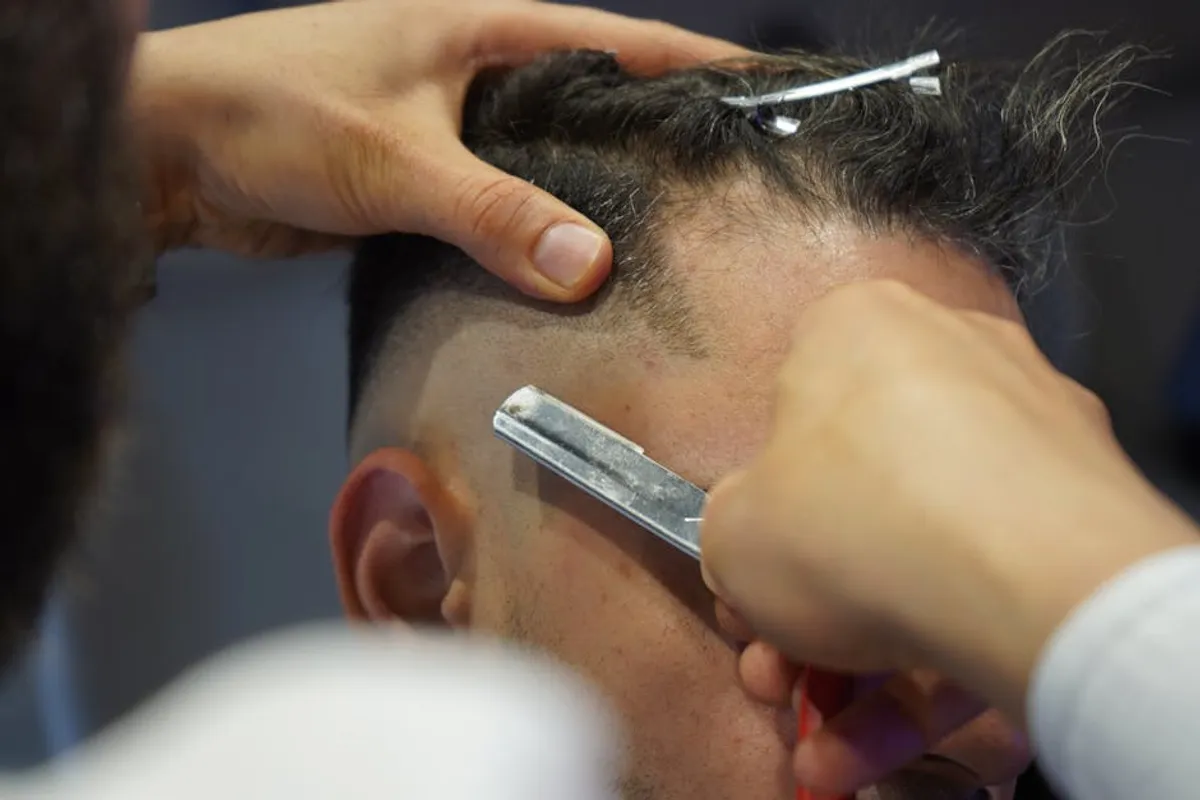
Choosing a short haircut after 40 involves more than just aesthetics; it’s about aligning a style with lifestyle, hair health, and personal expression. Many women seek cuts that offer volume, reduce styling time, and complement evolving facial features, moving away from longer styles that can sometimes weigh down fine hair or feel less aligned with a dynamic professional or personal life. The right short cut can refresh an appearance, provide an immediate lift, and simplify daily routines without sacrificing sophistication or modern appeal. The key is to identify cuts that work with natural hair texture and face shape, rather than against them, ensuring the style remains manageable and flattering.
Evaluating Your Hair and Lifestyle for a Short Cut
Before committing to a significant cut, a practical assessment of your hair's characteristics and your daily routine is essential. This groundwork ensures the chosen style will perform as expected and integrate seamlessly into your life.
Hair Texture and Density
- Fine Hair: Short cuts can create the illusion of density and volume. Bobs with blunt ends or layered pixies prevent fine strands from appearing sparse.
- Thick Hair: Layered bobs, graduated bobs, or shags can remove bulk, reducing styling time and preventing a "helmet" effect.
- Wavy/Curly Hair: Embrace natural texture with layered bobs or shaggy pixies. These styles prevent frizz and enhance curl definition, often requiring minimal heat styling.
- Coarse Hair: Structured bobs or pixies with precise lines can manage coarser textures, providing shape and control.
Face Shape Considerations
The contour of your face plays a significant role in how a short haircut will frame your features. A skilled stylist can adapt any cut to suit individual shapes.
- Oval: Considered universally balanced, oval faces can carry almost any short style, from a classic pixie to a blunt bob.
- Round: Styles with height on top and minimal width at the sides, like a long pixie with a side-swept fringe or an A-line bob, can elongate the face.
- Square: Soften angular jawlines with layered bobs, shags, or pixies with wispy bangs that fall around the face.
- Heart: Bobs that are slightly longer around the chin or pixies with volume at the nape can balance a wider forehead and narrower chin.
- Long: Short bobs, particularly those that hit at the chin, or pixies with full side-swept bangs, can create width and reduce the appearance of length.
Maintenance and Styling Commitment
Short hair often requires more frequent trims to maintain its shape, typically every 4-6 weeks. Daily styling, however, can be significantly reduced compared to longer hair, particularly for wash-and-go styles that embrace natural texture.
Best for: Individuals seeking a polished look with efficient daily styling and who are comfortable with regular salon visits.
Popular Short Haircut Styles for Women Over 40
Several short styles consistently deliver flattering results, offering versatility and modern appeal. Each can be customized to suit individual preferences.
The Classic Pixie and Its Variations
A perennial favorite, the pixie cut offers a bold, chic statement. It emphasizes facial features and can provide significant volume at the crown, which is beneficial for finer hair.
- Textured Pixie: Incorporates choppy layers for movement and a softer edge, suitable for most hair textures and face shapes.
- Long Pixie: Features longer layers on top and around the temples, allowing for more styling versatility—swept to the side, pushed back, or given a slight curl.
- Shaggy Pixie: Blends the classic pixie with elements of a shag, offering a relaxed, undone look with plenty of layers and texture.
Ideal for: Those desiring a low-maintenance, high-impact style that highlights the neck and jawline. It can be particularly rejuvenating.
The Versatile Bob Cut
The bob remains a cornerstone of short hairstyles due to its adaptability. Its length can range from jawline to shoulder, and its shape can be customized with layers or blunt lines.
- Classic Bob: A uniform length, typically chin-length, often worn with or without bangs. Provides a clean, sophisticated line.
- A-Line Bob: Shorter in the back and gradually lengthening towards the front, creating a subtle angle. Adds a modern edge and can visually lengthen the neck.
- Graduated Bob: Features stacked layers at the back that build volume and create a rounded shape, often paired with an A-line front. Excellent for adding body to fine hair.
- Blunt Bob: Cut with a sharp, straight line at the ends. Offers a strong, graphic statement and can make fine hair appear thicker.
- Shaggy Bob: Incorporates multiple layers throughout, creating texture and movement. A natural choice for wavy or curly hair, or to add softness to straight hair.
Ideal for: Women seeking a professional yet stylish cut that can be dressed up or down. Bobs offer more styling options than pixies while retaining a short length.
The Modern Shag
The shag haircut, reimagined with contemporary layering techniques, offers texture, volume, and a youthful, effortless vibe. It typically features layers around the crown, thinning out towards the ends, often paired with bangs.
Best for: Adding movement and volume to hair that might be losing its natural bounce. It works well with natural waves or curls and can soften angular features.
Pro Tip: Always bring reference photos to your stylist, but remain open to their professional assessment of how a particular style will work with your unique hair texture, density, and face shape. A skilled stylist can adapt inspiration photos to create a personalized, flattering result.
Styling and Product Essentials for Short Hair
Even the most perfectly cut short style benefits from targeted products and proper styling techniques to maintain its shape and health.
- Volume-Enhancing Mousse or Spray: Essential for lifting roots and adding body, especially for fine or thinning hair. Apply to damp hair before blow-drying.
- Texturizing Spray or Paste: Creates definition, separation, and a slightly undone look, particularly for pixies and shags. Use on dry hair to sculpt.
- Heat Protectant: Crucial if using heat tools (blow dryers, flat irons, curling wands) to prevent damage and maintain hair health.
- Lightweight Hairspray: Provides flexible hold without stiffness, keeping your style in place throughout the day.
- Dry Shampoo: Extends time between washes, refreshes roots, and can add instant volume.
Regular trims are paramount for short haircuts. While longer styles can tolerate a few extra weeks between appointments, short cuts quickly lose their intended shape as they grow out. Plan for a trim every 4-6 weeks to keep lines sharp and layers fresh.
Making Your Short Haircut Choice
Deciding on a short haircut is a personal journey that blends practical considerations with desired aesthetics. Start by collecting images of styles you admire, paying attention to how they are cut and styled, and considering models with similar hair types or face shapes. Discuss your ideas with a trusted stylist who can offer tailored advice based on their expertise. They can guide you on length, layering, and color considerations that will best enhance your features and align with your maintenance preferences. Remember that hair grows, so experimenting with a new short style can be an empowering way to refresh your look and embrace a new chapter.
Frequently Asked Questions About Short Haircuts for Women Over 40
Are short haircuts aging for women over 40?
No, quite the opposite. Many short haircuts can be incredibly rejuvenating, providing a lift, adding volume, and framing the face in a way that highlights features and creates a more youthful appearance. The key is choosing a modern, well-cut style that suits your individual characteristics.
How often should I get a trim for a short haircut?
To maintain the integrity and shape of a short haircut, regular trims are crucial. Most short styles benefit from a trim every 4 to 6 weeks. This frequency keeps the lines sharp, layers fresh, and prevents the style from growing out awkwardly.
What products are essential for styling short hair?
Essential products typically include a volume-enhancing mousse or spray for lift, a texturizing spray or paste for definition and movement, and a lightweight hairspray for flexible hold. A good heat protectant is also vital if you use styling tools.
Can I still look feminine with a very short haircut?
Absolutely. Femininity is expressed through personal style, confidence, and how you carry yourself, not solely hair length. Many very short haircuts, like pixies, can highlight delicate features, emphasize the neck, and project an image of strength and elegance. Pairing a short cut with makeup, accessories, and clothing that reflect your personal aesthetic ensures a feminine and polished look.