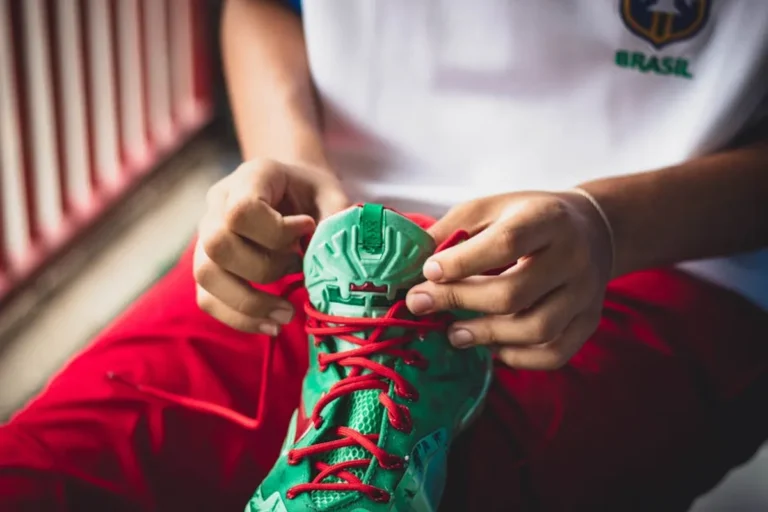
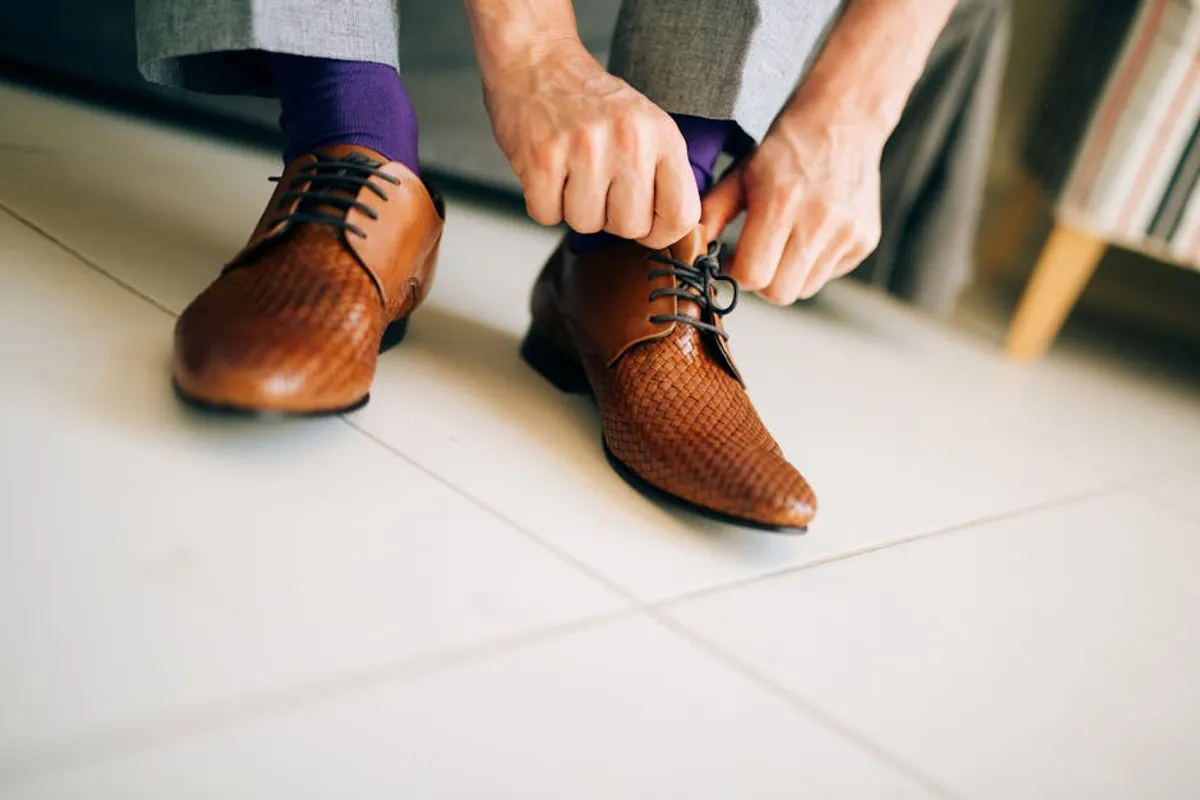
The fashion landscape is perpetually in motion, with trends emerging, peaking, and receding. Yet, some footwear styles consistently defy easy categorization, instead carving out a polarizing niche that elicits strong opinions from both enthusiasts and detractors. These are the shoe trends that divide fashion lovers, sparking debates about aesthetics, comfort, and commercial viability. For retailers, marketers, and content strategists, understanding the underlying reasons for this division is crucial for targeted merchandising, effective content creation, and anticipating consumer behavior around contentious products. It's not merely about identifying what's "in" or "out," but recognizing the specific psychological and cultural drivers that lead certain shoes to become commercial mainstays for some, and absolute non-starters for others.
The Comfort-First Contenders: Function Over Form?
Crocs: The Unlikely Icon
Few footwear items have generated as much debate as Crocs. Initially marketed as boat shoes, their lightweight, waterproof, and odor-resistant Croslite material quickly found a following among healthcare professionals and those prioritizing extreme comfort. Their visual appeal, however, remains a point of contention. Detractors cite their bulky, perforated design as inherently unstylish, while advocates praise their practicality, customizable Jibbitz charms, and undeniable ease of wear. Commercially, Crocs represent a powerful case study in niche-to-mass market penetration, leveraging strategic collaborations with high-fashion brands (Balenciaga, Christopher Kane) and celebrities to elevate their status beyond pure utility. This dual identity allows them to simultaneously dominate comfort-focused searches and generate significant buzz in fashion-forward circles, creating distinct content opportunities for both segments.
Ugg Boots: Winter Staple or Fashion Faux Pas?
Originating from Australian surf culture, Ugg boots found mainstream success in the early 2000s, becoming synonymous with casual comfort. Their sheepskin lining offers unparalleled warmth, making them a practical choice for cold weather. The design, however, often draws criticism for its shapeless silhouette and perceived lack of sophistication, leading to a "love-them-or-hate-them" dynamic. For retailers, Uggs represent a reliable cold-weather sales driver, particularly in regions with harsh winters. Their commercial resilience, despite cyclical fashion criticism, highlights the enduring power of comfort and brand loyalty. Content strategies often revolve around styling guides that attempt to elevate their casual nature or focus on their practical benefits, tapping into distinct search intents.
Avant-Garde or Aesthetically Challenged?
Chunky Sneakers: The "Dad Shoe" Phenomenon
The resurgence of chunky sneakers, often dubbed "dad shoes," marked a significant shift in footwear aesthetics. Characterized by oversized soles, complex layering, and often vibrant color blocking, these shoes prioritize bold statements over sleek minimalism. Their appeal lies in their deliberate subversion of traditional sneaker design, tapping into a nostalgic, anti-fashion sentiment for some, while others find them clunky and disproportionate. From a commercial perspective, chunky sneakers have driven significant sales in the athletic and streetwear markets, prompting luxury brands to release their own high-end versions. Marketers can capitalize on this trend by showcasing diverse styling options, from casual streetwear to pairing with more formal attire, appealing to an audience that values individuality and trend-forward expression.
Ballet Flats: From Chic to Divisive and Back
Ballet flats have a storied history, oscillating between classic elegance and being dismissed as "frumpy" or overly simplistic. Their appeal stems from their comfort, versatility, and association with iconic figures like Audrey Hepburn. However, their flat sole and often minimal structure can be seen as unflattering by some, offering little arch support or visual interest compared to heels or sneakers. The recent resurgence, often featuring more structured designs, pointed toes, or delicate embellishments, has reignited their popularity, but the division persists. For retailers, ballet flats offer a broad appeal, from those seeking understated elegance to consumers looking for a comfortable alternative to heels. Content strategies can focus on their versatility for various occasions or highlight specific design elements that address past criticisms, targeting both new adopters and nostalgic buyers.
Navigating the Divide: Commercial Impact and Styling
The commercial success of divisive shoe trends often hinges on understanding their specific appeal and how to communicate it effectively. It's rarely about universal acceptance, but rather about capturing dedicated segments of the market who prioritize certain attributes, whether that's comfort, a distinct aesthetic, or a statement of individuality. For brands and publishers, this translates into opportunities for highly targeted content and product positioning.
- Audience Segmentation: Identify the core demographic for each polarizing shoe style. Is it comfort-seekers, trend-followers, or those making a deliberate anti-fashion statement? Tailor messaging accordingly.
- Styling as a Solution: Address common criticisms by providing practical styling advice. "How to make Crocs look chic" or "Elevating your Uggs beyond loungewear" can convert skeptics or reinforce existing appeal.
- Highlighting Unique Benefits: Emphasize the specific advantages that outweigh perceived drawbacks, such as unparalleled comfort, unique silhouette, or cultural relevance.
- Leveraging Collaborations: High-profile partnerships can shift perception, bringing a "low-brow" item into high fashion contexts, creating buzz and opening new market segments.
Pro Tip: When engaging with divisive shoe trends, avoid dismissive language. Instead, frame the discussion around personal style, comfort priorities, and the diverse expressions within fashion. This approach respects varied consumer preferences and fosters a more inclusive brand image, while still acknowledging the debate.
Embracing or Avoiding the Contention
For any business operating in the fashion space, understanding the nuances of divisive shoe trends is more than an academic exercise; it's a strategic imperative. These trends, despite their contentious nature, often represent significant commercial opportunities, driving sales, generating media buzz, and allowing for creative content exploration. The key lies in recognizing that "divisive" does not equate to "unprofitable." Instead, it signals a market with strong opinions and distinct preferences, ready to engage with brands that speak directly to their specific style philosophy. Whether a brand chooses to lean into a controversial trend or strategically distance itself, the decision should be informed by a clear understanding of its target audience and brand identity, ensuring alignment with consumer values and market dynamics.
Frequently Asked Questions About Divisive Shoe Trends
Why do certain shoe trends become so polarizing?
Polarization often arises from a clash between traditional aesthetic norms and new interpretations of comfort, functionality, or expressive style. Trends like Crocs challenge conventional beauty standards, while others like chunky sneakers subvert established silhouettes, leading to strong opinions on both sides of the fashion spectrum.
How do retailers benefit from carrying divisive shoe styles?
Retailers can benefit by tapping into specific niche markets, generating buzz through controversy, and offering a diverse product range that caters to varied consumer tastes. Divisive styles often have dedicated fan bases, ensuring consistent sales from those who prioritize specific attributes like comfort or unique aesthetics.
What role do celebrities and influencers play in these trends?
Celebrities and influencers significantly amplify divisive shoe trends by showcasing them in high-profile settings, lending credibility, and influencing public perception. Their endorsements can shift a style from niche to mainstream, or from "ugly" to "ironically chic," driving consumer interest and sales.