
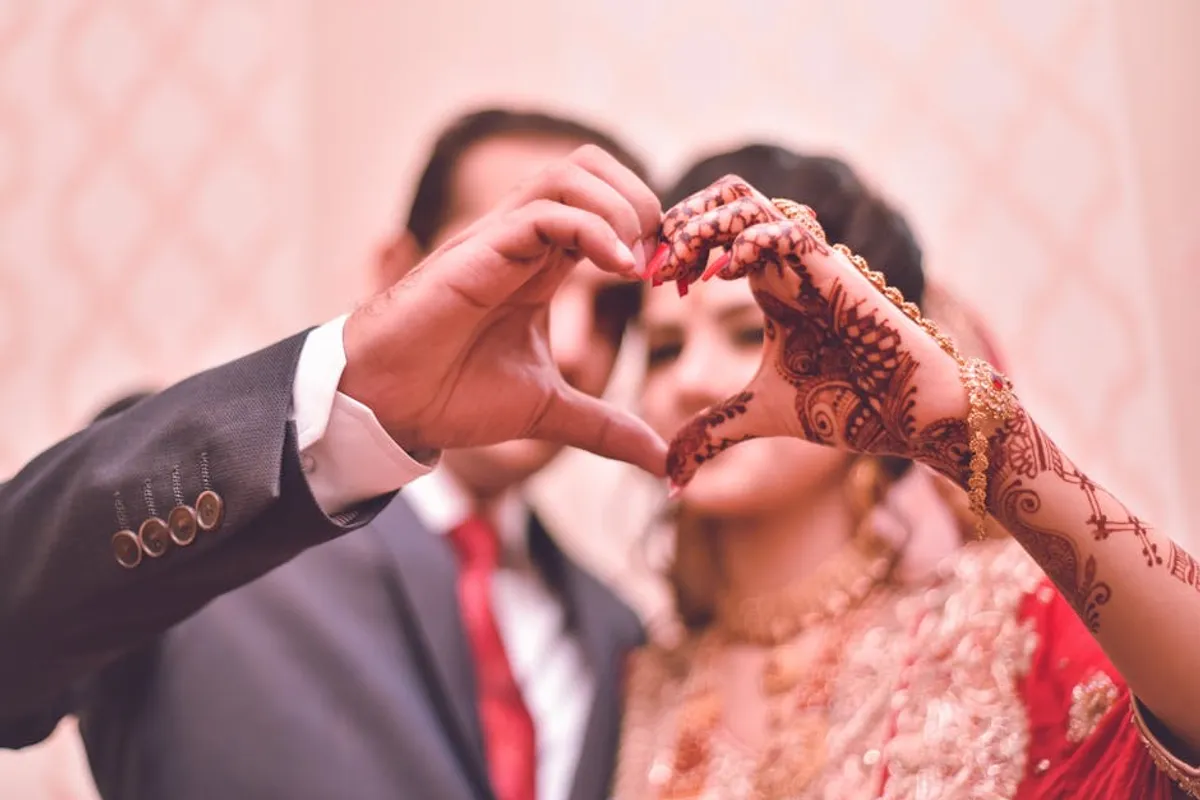
Romantic Shayari, a poetic form rooted in the rich literary traditions of Persia and the Indian subcontinent, offers a distinct avenue for content creators and marketers seeking to forge deeper emotional connections with specific audiences. Beyond its aesthetic appeal, understanding Romantic Shayari provides a strategic entry point into culturally resonant communication, particularly for brands targeting diaspora communities or those valuing nuanced emotional expression. This exploration delves into its core meaning, presents illustrative examples, and outlines practical methods for integrating it into contemporary content strategies to enhance engagement and brand storytelling.
Defining Romantic Shayari: Structure and Sentiment
Shayari, broadly, is a form of poetry. Romantic Shayari specifically focuses on themes of love, longing, beauty, separation, and devotion. It is most commonly associated with the Urdu language, though it exists in other South Asian languages as well. Its power lies in its ability to condense complex emotions and profound observations into concise, often rhyming couplets known as 'sher' (plural 'ash'ar').
Historically, Shayari evolved from Persian poetic forms like the Ghazal, which is a specific type of lyrical poem composed of rhyming couplets and a refrain. While not all Shayari is a Ghazal, many of the structural and thematic elements overlap. The poet, or 'shayir', uses intricate metaphors, similes, and personification to evoke powerful imagery and feelings, often exploring the bittersweet nature of love, the pain of separation, and the beauty of the beloved.
For marketers, this means tapping into a pre-existing cultural framework of emotional expression. Unlike direct prose, Shayari invites contemplation and resonates on a more profound, often nostalgic, level for audiences familiar with its form and cultural context. This emotional depth can translate into higher engagement rates and a stronger sense of brand affinity when deployed thoughtfully.
Illustrative Examples and Their Emotional Resonance
To grasp the commercial utility of Romantic Shayari, consider its ability to articulate universal human experiences through a specific cultural lens. The impact often stems from the elegance of the language and the depth of feeling conveyed within a few lines.
- Example 1: "Hazaaron khwahishen aisi ke har khwahish pe dum nikle, Bohat nikle mere armaan lekin phir bhi kam nikle." (Mirza Ghalib)
Translation: "Thousands of desires, each worth dying for; Many of my aspirations were fulfilled, yet it felt insufficient."
Appeal: This couplet speaks to the insatiable nature of human desire and the bittersweet reality of ambition. For a luxury brand, it could subtly hint at the perpetual pursuit of excellence or the enduring desire for quality, resonating with an audience that understands nuanced aspirations. - Example 2: "Tum mere ho, mere hi rehna, yeh baat tum khud bhi jaante ho." (Unknown, common contemporary phrase)
Translation: "You are mine, stay mine, you yourself know this."
Appeal: While simpler, this conveys a possessive yet tender declaration of love. In a marketing context, this direct emotional appeal could be used in campaigns for relationship-oriented products, personal gifts, or even services that promise exclusivity and lasting connection. - Example 3: "Ishq par zor nahin, yeh woh aatish 'Ghalib' jo lagaye na lage aur bujhaye na bane." (Mirza Ghalib)
Translation: "Love is beyond control, 'Ghalib', it is a fire that neither ignites by wishing nor extinguishes by trying."
Appeal: This classic couplet describes love as an uncontrollable, powerful force. Brands in the entertainment, fashion, or travel sectors could leverage such sentiments to evoke passion, adventure, or the irresistible allure of their offerings, connecting with consumers on an emotional, aspirational level.
The key is not just the literal translation but the underlying sentiment and the cultural context it evokes. These examples demonstrate how concise poetic forms can convey profound messages that resonate deeply with an audience that appreciates this form of expression.
Integrating Romantic Shayari into Content Strategy
Incorporating Romantic Shayari into a content strategy requires more than just quoting verses; it demands an understanding of audience, context, and commercial objectives. The goal is to leverage its emotional power to enhance brand communication and engagement.
Engaging Niche Audiences and Cultural Segments
Romantic Shayari holds particular sway within South Asian diaspora communities and among those who appreciate Urdu poetry. For brands targeting these demographics, using Shayari can build immediate rapport and demonstrate cultural understanding. This fosters a sense of authenticity that generic marketing messages often lack. Consider its use for holidays like Diwali, Eid, or Valentine's Day, or for products appealing to cultural heritage.
Enhancing Brand Storytelling and Emotional Connection
Shayari offers a unique narrative device. Instead of explicitly stating a brand's values, a well-chosen couplet can evoke feelings of elegance, tradition, passion, or sophistication. For example:
- Luxury Brands: A jewelry company could pair a piece with a Shayari about eternal love or timeless beauty.
- Travel Agencies: Promote romantic destinations using verses about longing for a beloved or the beauty of a shared journey.
- Lifestyle Products: Evoke comfort, warmth, or personal indulgence through Shayari that speaks to inner peace or cherished moments.
This approach moves beyond transactional messaging, building a narrative that resonates on an emotional plane.
Content Formats for Shayari Integration
Romantic Shayari can be seamlessly integrated across various digital content formats:
- Social Media: Use short, impactful couplets as captions for visually rich posts on Instagram, Facebook, or Pinterest. Pair them with relevant imagery (e.g., product shots, scenic landscapes, couple photos).
- Blog Posts: Create articles around themes like "Top Romantic Shayari for Anniversaries" or "Shayari to Express Undying Love." These posts can drive organic traffic through long-tail keywords and establish authority in a niche.
- Email Marketing: Personalize email campaigns by including a relevant Shayari in subject lines or within the body to create a more intimate and memorable connection.
- Video Content: Feature Shayari as voiceovers or on-screen text in short promotional videos, especially for campaigns focused on emotion or cultural themes.
- Product Descriptions: For products with cultural relevance or those designed to evoke romance, a carefully selected Shayari can add depth and appeal.
Pro Tip: When using Romantic Shayari in commercial contexts, always prioritize authenticity and cultural sensitivity. Misinterpreting or misusing a verse can alienate your target audience. If possible, consult with native speakers or cultural experts to ensure accurate translation and appropriate contextual application. An inauthentic approach can undermine trust and brand perception.
Best Practices for Integrating Romantic Shayari
To maximize the impact and avoid missteps, adhere to these guidelines:
- Ensure Accurate Translation: Many Shayari lose their poetic nuance when poorly translated. Verify translations through reliable sources or native speakers.
- Understand Cultural Context: A couplet's meaning can shift depending on its historical or social background. Ensure it aligns with your brand's message.
- Attribute Sources: Where possible and appropriate, credit the poet. This shows respect for the art form and its creators, enhancing your brand's credibility.
- Match Tone to Brand: The Shayari chosen should align with your brand's overall voice and image. A playful brand might use lighter, more contemporary verses, while a luxury brand might opt for classical, profound ones.
- Test Audience Reception: Before a full-scale campaign, test different Shayari with segments of your target audience to gauge their emotional response and engagement levels.
- Consider Multilingual SEO: If targeting global audiences, optimize for keywords in Urdu, Hindi, or other relevant languages alongside English terms like "romantic poetry" or "love verses."
Leveraging Emotional Resonance for Audience Connection
The enduring appeal of Romantic Shayari lies in its ability to articulate profound human emotions with brevity and beauty. For marketers and content creators, this represents a powerful tool to move beyond superficial engagement. By integrating Shayari thoughtfully, brands can tap into a rich cultural heritage, foster deeper emotional connections, and differentiate their content in a crowded digital landscape. It's about speaking to the heart of an audience, not just their purchasing intent, thereby building lasting loyalty and a strong brand narrative.
Frequently Asked Questions
What is the primary difference between Shayari and Ghazal?
Shayari is a broad term for poetry, while Ghazal is a specific form of Shayari characterized by rhyming couplets (sher) and a refrain, typically adhering to a strict meter. All Ghazals are Shayari, but not all Shayari are Ghazals.
Is Romantic Shayari exclusively in Urdu?
While Urdu is the most prominent language for Romantic Shayari, similar poetic forms and themes of romantic poetry exist in other languages of the Indian subcontinent, such as Hindi, Punjabi, and Persian, which heavily influenced Urdu.
Can brands use classical Shayari for commercial purposes without copyright issues?
Most classical Shayari from renowned poets like Ghalib or Faiz, who died many decades ago, are generally considered to be in the public domain. However, contemporary Shayari might still be under copyright. Always verify the copyright status and, if in doubt, seek permission or use verses known to be freely usable.
How can I find authentic and culturally appropriate Shayari for my content?
Consult reputable literary collections, academic sources on Urdu poetry, or work with native speakers and cultural consultants. Avoid relying solely on automated translations or unverified online sources, as nuances can be lost or misinterpreted.