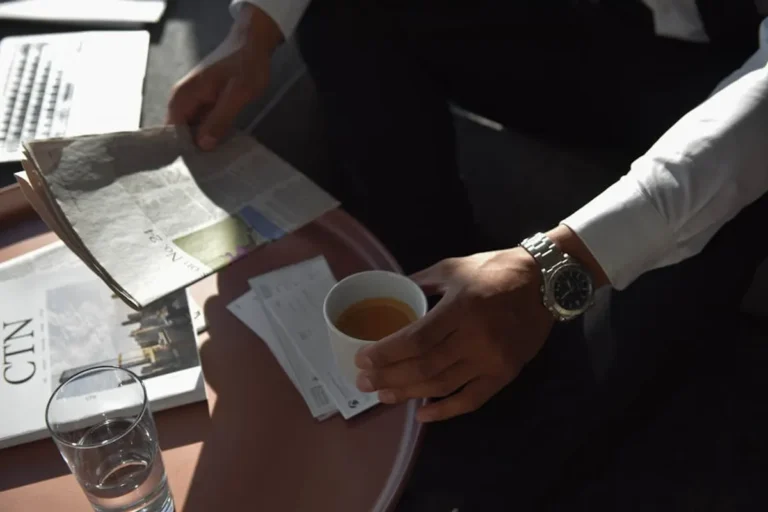

Selecting the right accessories moves beyond mere adornment; it is a strategic decision that refines an outfit's message, elevates its perceived value, and projects a distinct personal brand. The goal is not simply to add items, but to integrate pieces that complete a visual narrative, ensuring each element contributes to a cohesive and intentional presentation. This process involves understanding the foundational outfit, applying principles of color and proportion, and considering the specific occasion to make commercially astute choices.
Decoding Your Outfit's Core Message
Before introducing any accessory, analyze the outfit's inherent characteristics. This initial assessment dictates the direction for complementary pieces, preventing mismatched elements and ensuring a polished final look.
Understanding the Outfit's Color Palette
The colors present in your primary garments establish the chromatic framework for accessory selection. Consider whether the outfit is monochromatic, features analogous colors (next to each other on the color wheel), or uses a complementary pairing (opposite on the color wheel). Accessories can either reinforce the existing palette for a harmonious effect or introduce a contrasting accent color to create visual interest. For instance, a neutral-toned outfit (grays, blacks, whites) offers a versatile canvas for bold, saturated accessory colors, while a brightly colored dress might call for more subdued or metallic accents to avoid overwhelming the eye.
Assessing Formality and Context
The occasion dictates the appropriate level of formality and practicality for accessories. A business meeting requires understated, professional pieces that do not distract, such as a structured leather bag and classic watch. A casual weekend brunch allows for more relaxed, expressive items like a woven tote or statement earrings. Evening events often call for elevated materials like silk, intricate metalwork, or subtle sparkle. Ignoring the context can result in an outfit that feels out of place, diminishing its impact.
Strategic Accessory Selection: A Step-by-Step Approach
Choosing accessories effectively involves a systematic process that builds upon the outfit's foundation, ensuring each addition serves a purpose in completing the look.
Step 1: Identify the Dominant Style
Determine the primary style of your outfit: Is it classic, bohemian, minimalist, edgy, romantic, or sporty? Your accessories should align with this overarching theme. Pairing delicate pearl earrings with a rugged leather jacket, for example, creates a deliberate contrast, but typically, consistency in style maintains coherence. A minimalist dress benefits from simple, architectural jewelry, while a bohemian maxi dress can accommodate layered necklaces and natural textures.
Step 2: Harmonize or Contrast Colors
Once the outfit's color scheme is clear, decide whether to blend or accentuate. Harmonizing involves selecting accessories in the same color family or neutral tones (black, white, gray, metallics) to create a seamless flow. Contrasting uses a complementary or accent color to break up monotony and draw attention. A navy suit with a red tie and pocket square exemplifies strategic color contrast, adding dynamism without clashing.
Step 3: Mind the Scale and Proportion
Accessories should be proportionate to both your body frame and the volume of your clothing. A petite individual might be overwhelmed by an oversized handbag or chunky necklace, while a larger frame can carry more substantial pieces. Similarly, a voluminous outfit (e.g., a wide-leg pant and oversized sweater) might require a larger belt or bag to balance the silhouette, whereas a sleek, fitted dress pairs well with delicate, refined jewelry. The goal is visual balance, ensuring no single element dominates excessively.
Step 4: Consider Texture and Material
Introducing varied textures and materials adds depth and interest to an outfit. A smooth silk scarf can soften a structured wool coat. A metallic belt can add a touch of polish to a cotton dress. Leather, suede, canvas, knit, and various metals each convey a different tactile and visual quality. Thoughtful material combinations prevent an outfit from appearing flat or one-dimensional. For instance, a denim outfit can be elevated with a leather bag and metallic jewelry, creating a richer sensory experience.
Step 5: Integrate Personal Elements
Accessories are a primary avenue for expressing individual style and personality. This could be a signature piece of jewelry, a unique scarf print, or a specific type of eyewear. These personal touches differentiate an outfit from a generic ensemble and communicate a unique aesthetic. The objective is to select items that resonate with your personal brand while still complementing the outfit's overall message.
- Jewelry: Necklaces, earrings, bracelets, and rings can draw attention to specific features or add sparkle.
- Bags: Handbags, clutches, and totes serve both functional and aesthetic purposes, defining formality and style.
- Shoes: Footwear dictates the overall tone, from casual sneakers to formal heels.
- Belts: Define the waist, add a pop of color, or introduce texture.
- Scarves: Offer versatility for color, pattern, and texture, usable around the neck, hair, or bag.
- Hats: Provide sun protection, warmth, or a distinct style statement.
- Eyewear: Frames can significantly alter facial perception and add a sophisticated or edgy touch.
Pro Tip: Avoid the "matchy-matchy" trap. While coordinating colors is effective, choosing accessories that are identical in color and material to your main outfit can sometimes appear dated or uninspired. Instead, aim for complementary shades, varying textures, or subtle patterns that enhance rather than replicate. For example, a navy dress paired with a deep burgundy bag and shoes provides more visual sophistication than an all-navy ensemble.
Elevating Your Ensemble Through Intentional Choices
The power of accessories lies in their ability to transform a basic outfit into a statement. By applying a methodical approach to selection—understanding the outfit's core, considering context, and strategically choosing pieces that harmonize or contrast—you can consistently create complete, impactful looks. This intentionality not only enhances your presentation but also maximizes the utility of your wardrobe, ensuring every garment and accessory contributes to a cohesive and commercially viable personal image.
Frequently Asked Questions
How many accessories are too many for one outfit?
While there's no strict number, a good guideline is to avoid overwhelming the eye. Focus on balancing different accessory types; for instance, if you wear a statement necklace, opt for simpler earrings. The "rule of three" can be helpful: choose three distinct accessory types (e.g., earrings, watch, and a bag) and ensure they work together without competing for attention.
Should my shoes and bag always match perfectly?
No, the traditional rule of perfectly matching shoes and bags is largely outdated. Modern styling emphasizes coordination rather than exact matching. You can select complementary colors, different shades of the same color, or contrasting textures that still harmonize with the overall outfit. This approach offers more flexibility and a contemporary aesthetic.
How do I choose accessories for a patterned outfit?
When working with a patterned outfit, choose accessories that pick up one of the colors within the pattern, or opt for neutral tones (black, white, nude, metallics) to avoid clashing. Solid-colored accessories often work best to provide a visual anchor against a busy print. Avoid introducing another competing pattern unless it's a very subtle texture or a complementary small-scale print.
What are essential accessories every wardrobe needs?
Key essentials typically include a versatile neutral-toned handbag (black or tan), a classic watch, a few pairs of quality earrings (studs and small hoops), a simple necklace, a belt that fits well, and a pair of comfortable, stylish shoes (like loafers or classic pumps). These pieces can be mixed and matched across various outfits and occasions, forming a reliable foundation for accessorizing.