
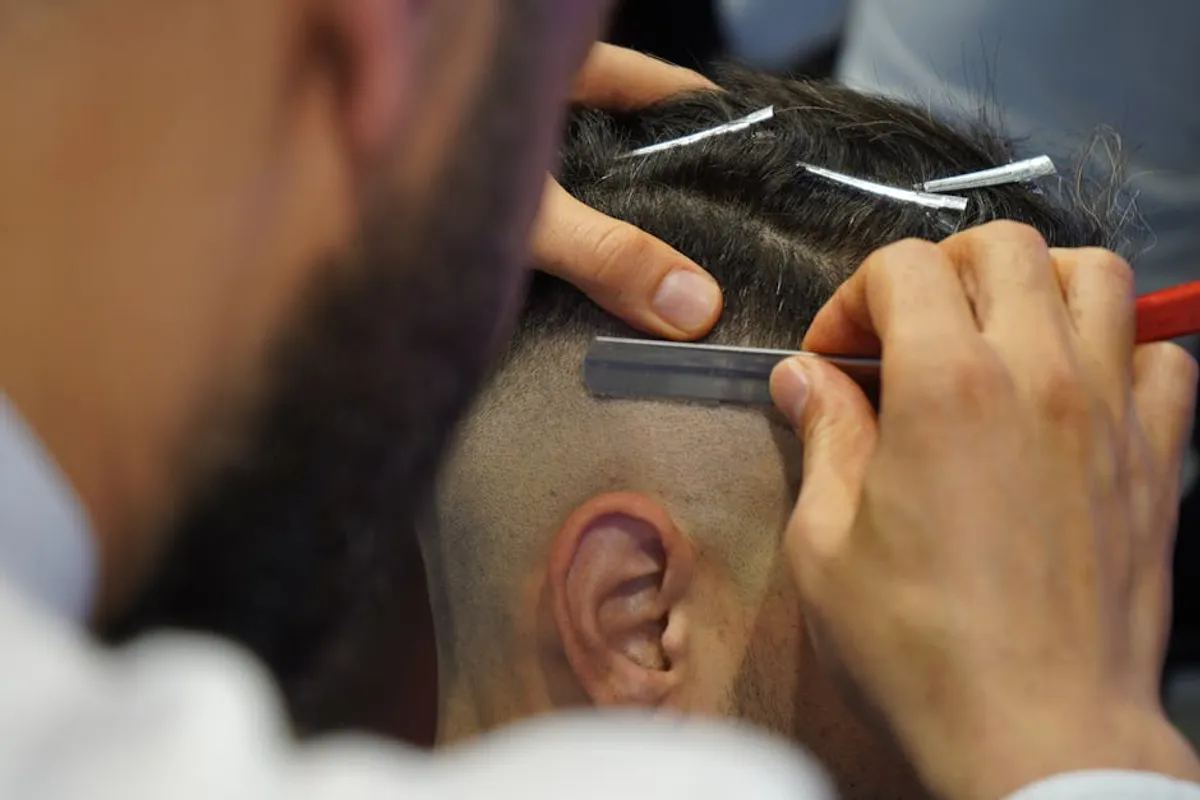
Straight hair, often characterized by its sleekness and natural shine, presents a distinct set of opportunities and challenges in styling. While it naturally resists frizz and maintains a polished appearance, it can also fall flat, lack volume, or appear heavy without the right cut. The key to a successful haircut for straight hair lies in understanding how to manipulate its inherent properties—density, texture, and natural fall—to create movement, volume, or a sharp, intentional silhouette. This guide explores specific cuts designed to enhance straight hair, addressing common concerns and highlighting how each style leverages the hair's unique characteristics for optimal results.
Understanding Straight Hair's Unique Characteristics
Straight hair strands typically have a round cross-section, which contributes to their smooth, unbending nature. The cuticle scales lie flat, reflecting light efficiently and giving straight hair its characteristic shine. However, this uniformity also means straight hair can lack natural body and movement, often appearing limp or heavy if not cut strategically. Products and styling techniques can enhance straight hair, but the foundation for its best appearance is always the cut itself.
- Lack of Natural Volume: Without natural waves or curls, straight hair relies on cutting techniques to create lift and dimension.
- Prone to Appearing Flat: Weight distribution is crucial; too much length or unvaried layers can pull hair down, making it look flat at the crown.
- Highlights Shine: The smooth surface of straight hair excels at reflecting light, making it ideal for cuts that emphasize sleekness and a glossy finish.
- Reveals Imperfections: Split ends or uneven cuts are more noticeable on straight hair due to its uniform fall. Precision is paramount.
Essential Considerations Before Your Haircut
Before committing to a specific style, a thorough assessment of your hair's properties and your lifestyle is critical. These factors directly influence how a haircut will perform and whether it aligns with your daily routine.
Hair Density and Texture
Hair density refers to the number of hair strands per square inch, while texture describes the thickness of individual strands (fine, medium, coarse). Both dramatically impact how a cut will look and behave.
- Fine Straight Hair: Benefits from blunt cuts or minimal, strategic layering to create an illusion of fullness and prevent ends from looking sparse. Over-layering can make fine hair appear thinner.
- Medium Straight Hair: Highly versatile, can handle a range of layers for movement or blunt cuts for density.
- Thick Straight Hair: Often requires internal or graduated layers to remove bulk and prevent a "helmet" or "triangle" shape. Undercuts can also manage excessive weight without compromising the exterior sleekness.
Face Shape and Personal Style
The right haircut can balance facial features and complement your overall aesthetic. For instance, a blunt bob can highlight a strong jawline, while curtain bangs can soften a more angular face. Consider your daily styling habits; a cut that requires extensive heat styling might not suit a low-maintenance lifestyle.
Haircuts Designed for Volume and Movement
For those seeking to add life and body to straight hair, specific layering and shaping techniques are essential. These cuts are engineered to create lift and internal movement where natural waves are absent.
Long Layers for Softness
Long layers, typically starting below the chin or collarbone, are cut into the interior of the hair, leaving the perimeter mostly intact. This technique removes weight without sacrificing overall length, preventing the hair from lying flat against the head.
Justification: By varying the length of internal strands, long layers encourage movement and prevent a heavy, monolithic block of hair. They create a soft, flowing silhouette that can be enhanced with blow-drying for added bounce.
Best for: Medium to thick straight hair that tends to look heavy or lacks natural movement. It's also suitable for those who want to maintain length while adding dimension.
Graduated Bob with Internal Stacking
A graduated bob features a shorter back that gradually lengthens towards the front, often with subtle stacking or internal layers at the nape. This creates a rounded, voluminous shape at the back of the head.
Justification: The graduation builds weight and volume in the back, while internal layers prevent the cut from looking too severe. The angle creates a dynamic line that adds interest to straight hair.
Best for: Fine to medium straight hair looking for a structured, voluminous short-to-medium length style. It provides lift where straight hair often falls flat.
Shag with Face-Framing Layers
The modern shag is characterized by multiple layers, often shorter around the crown and face, gradually lengthening towards the ends. For straight hair, this cut is softened to avoid excessive choppiness.
Justification: The abundance of layers creates significant texture and volume, breaking up the straight hair's uniform fall. Face-framing layers draw attention to facial features and add a soft, lived-in feel.
Best for: All densities of straight hair, particularly those who desire a more textured, effortless, and voluminous look without resorting to curling. It reduces styling time for natural movement.
Pro Tip: When discussing layers for straight hair with your stylist, be specific about the desired outcome. "Invisible layers" or "internal layers" refer to techniques that remove bulk and add movement without creating visible steps or choppiness on the hair's surface. Bring reference photos that clearly show the type of movement and volume you want to achieve.
Haircuts for Emphasizing Sleekness and Shine
Straight hair's natural ability to reflect light makes it an ideal canvas for cuts that highlight its sleekness and polished finish. These styles often feature strong, clean lines.
Blunt Cut (One-Length)
A blunt cut features all hair strands cut to the same length, creating a sharp, uniform line at the bottom. This technique maximizes density at the ends.
Justification: The blunt perimeter creates an illusion of thickness and weight, which enhances the hair's natural shine by providing a smooth, uninterrupted surface. It makes the ends appear fuller and stronger.
Best for: Fine to medium straight hair that needs to look thicker and healthier. It's also excellent for showcasing the hair's natural sleekness and a "glass hair" effect.
Asymmetrical Bob
An asymmetrical bob is cut shorter on one side and longer on the other, or features a longer front section that dramatically angles back to a shorter nape.
Justification: The sharp, intentional lines of an asymmetrical cut draw attention to the hair's straightness and sleekness. It’s a bold statement that relies on the hair's ability to hold a precise shape.
Best for: Fine to medium straight hair, as extreme thickness might make the asymmetry appear bulky. Ideal for those seeking a modern, edgy, and high-fashion look.
Long Hair with Subtle Undercut Layers
For very thick straight hair, subtle undercut layers involve removing bulk from the hair underneath the top layers, often at the nape or around the sides, without creating visible layers on the surface.
Justification: This technique reduces the overall weight and density of thick straight hair, preventing it from looking overly voluminous or triangular, while maintaining a smooth, sleek exterior. It allows for better movement and less styling effort.
Best for: Very thick, coarse straight hair that needs significant weight reduction to lay flatter and appear more controlled. It preserves the long, sleek aesthetic without the heaviness.
Fringe and Bang Options for Straight Hair
Bangs can dramatically alter a haircut for straight hair, adding a focal point or softening features. Straight hair holds bang styles particularly well due to its lack of curl.
- Blunt Bangs: Cut straight across the forehead, often thick and full.
Justification: Creates a strong, graphic line that complements the sleekness of straight hair. They frame the eyes and add a bold statement.
Best for: Oval, long, and heart-shaped faces. Requires regular trims to maintain shape.
- Curtain Bangs: Longer bangs parted down the middle and swept to either side, framing the face.
Justification: Offers a softer, more versatile alternative to blunt bangs. They add movement and can be easily grown out or blended into layers.
Best for: Most face shapes, as they are highly adaptable. They add a touch of softness without committing to a full fringe.
- Micro Bangs: Very short bangs, cut above the eyebrows.
Justification: A fashion-forward, edgy choice that highlights the forehead and eyebrows. Requires precise cutting due to their short length.
Best for: Those seeking a bold, avant-garde look. Best suited for oval or heart-shaped faces where they can emphasize features without overpowering them.
Optimizing Your Straight Haircut
Maintaining the integrity and style of your straight haircut requires attention to routine care and product selection. Regular trims are crucial for keeping lines sharp and preventing split ends, which are more visible on straight hair.
For cuts designed to add volume, incorporate lightweight volumizing mousses or root-lifting sprays before blow-drying. When aiming for sleekness, use heat protectants and shine serums to enhance gloss and protect against damage from flat ironing. A good quality paddle brush can help distribute natural oils and maintain smoothness. Avoid heavy styling creams or oils, as these can weigh straight hair down and diminish volume.
Choosing Your Ideal Straight Haircut
Selecting the right haircut for straight hair involves a blend of personal preference, hair characteristics, and lifestyle. The most effective approach is to consult with an experienced stylist who understands the nuances of cutting straight hair. Bring reference photos, but also be open to their professional assessment of what will work best with your specific hair density, texture, and face shape. The goal is a cut that not only looks good but also functions well, requiring manageable styling to maintain its intended shape and enhance the inherent beauty of straight hair.
Frequently Asked Questions
Can straight hair have layers?
Yes, straight hair can absolutely have layers. The type and placement of layers are crucial; internal or long layers can add movement and volume without making the hair appear thin or choppy, especially for medium to thick straight hair.
What's the best haircut for fine, straight hair to add volume?
For fine, straight hair, a blunt cut or a blunt bob with minimal, strategic internal layers is often best. These cuts create the illusion of density and thickness at the ends, making the hair appear fuller without over-layering, which can thin out fine hair.
How often should I trim straight hair?
The frequency of trims depends on the haircut and your hair's growth rate. For blunt cuts or bobs, every 6-8 weeks is recommended to maintain sharp lines and prevent split ends. Layered styles might allow for slightly longer intervals, around 8-10 weeks, to preserve the shape and movement.
Do blunt cuts work for all straight hair types?
Blunt cuts work exceptionally well for fine to medium straight hair, as they maximize density and create a strong, polished look. For very thick straight hair, a blunt cut might appear too heavy or blocky; in such cases, subtle internal layering or an undercut can reduce bulk while maintaining a sleek exterior.