Understanding the trajectory of haircut trends for 2026 involves more than just observing celebrity styles; it requires an assessment of evolving social narratives, practicality, and individual expression. The upcoming year signals a move towards personalized aesthetics, where cuts are less about rigid adherence to a single look and more about adaptability and enhancing natural features. This guide breaks down the most impactful haircut trends for both women and men, offering concrete details on what defines each style, who it suits best, and the practical considerations for adoption.
The commercial relevance of these trends extends to personal branding and professional presentation. A well-chosen haircut can communicate confidence, modernity, and attention to detail, factors that resonate across various professional and social contexts. This analysis provides a framework for identifying styles that not only align with current fashion currents but also support individual lifestyle and image goals.
Factors Shaping 2026 Haircut Trends
The evolution of haircut trends for 2026 is influenced by several key factors. Sustainability and low-maintenance routines continue to gain traction, pushing styles that require less heat styling or frequent salon visits. The ongoing embrace of natural hair textures means cuts are designed to work with, rather than against, inherent curl patterns, waves, or straightness. Furthermore, a strong undercurrent of individuality encourages modifications to classic styles, allowing for unique interpretations. Technology also plays a subtle role, with advancements in styling products and tools making certain looks more achievable and durable. These elements collectively shape a landscape of diverse, adaptable, and often practical hair choices for the coming year.
1. The Soft Shag
Positioning: The Soft Shag for 2026 reinterprets the classic 70s and 90s shag with a distinctly modern, softer edge. Unlike its predecessors, which often featured more aggressive, disconnected layers, the 2026 version emphasizes seamless, face-framing layers that blend fluidly into the overall length. It maintains volume and movement, particularly around the crown and through the mid-lengths, but avoids harsh lines, creating a more ethereal, lived-in feel. This style often incorporates subtle curtain bangs or a wispy fringe to enhance its effortless appeal.
Best For: Individuals with medium to thick hair texture, especially those with natural waves or a slight bend, as these textures naturally enhance the cut's movement. It suits oval, heart, and square face shapes by softening angles and adding width where needed. Ideal for those seeking a stylish, low-maintenance look that offers versatility in styling.
Pros:
- Adds significant volume and texture without heavy styling.
- Versatile; can be worn messy or slightly more polished.
- Grow-out is typically graceful due to blended layers.
- Reduces bulk in thick hair, making it feel lighter.
Cons:
- May require specific layering techniques that not all stylists are proficient in.
- Can appear stringy on very fine hair if not cut precisely.
- Fringe maintenance (trimming) is often necessary.
- Less suitable for extremely curly or coily hair without significant styling.
Verdict: A strong contender for those desiring a chic, adaptable cut that works with natural hair movement and minimizes daily styling effort. It offers a contemporary update to a timeless style, making it relevant for a wide demographic.
2. The Textured Crop (Men)
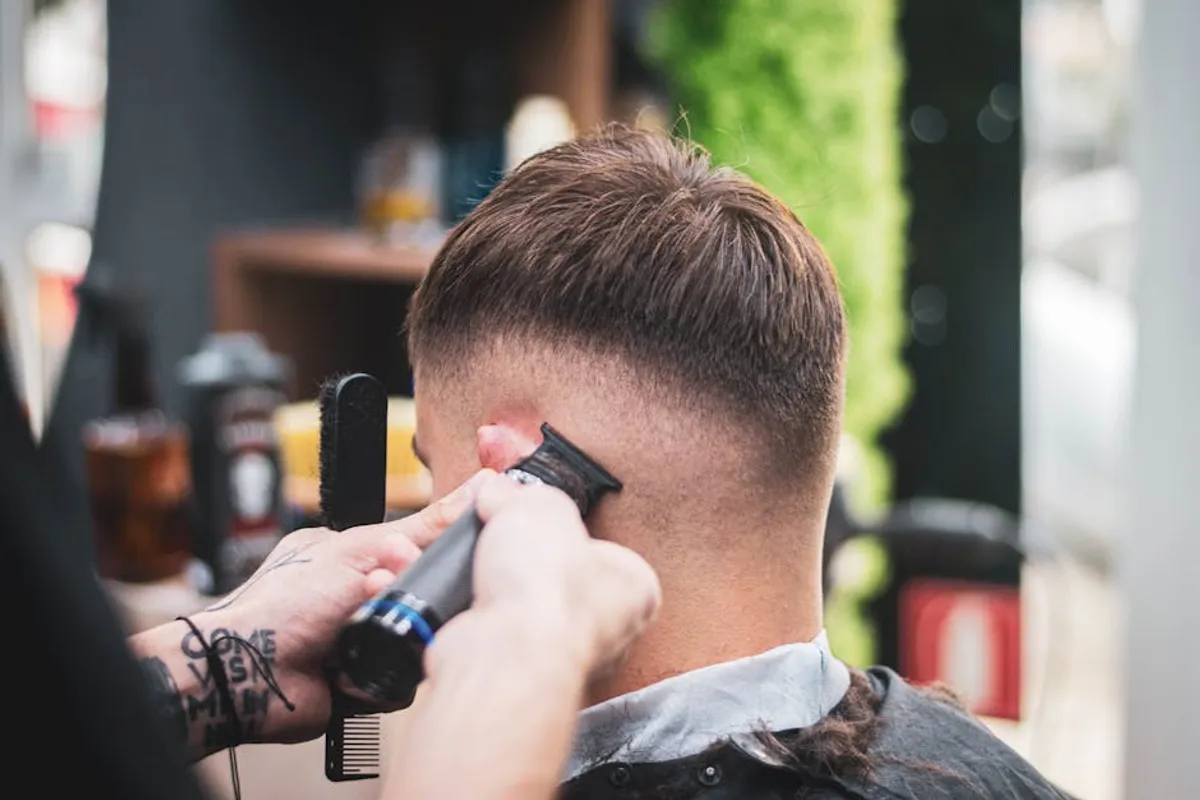
Positioning: The Textured Crop remains a dominant men's trend for 2026, evolving with increased emphasis on natural-looking, disheveled texture on top, contrasted with clean, often faded sides. The fringe is typically kept shorter, either blunt or slightly feathered, and pushed forward or styled with a slight side sweep. This cut prioritizes a matte finish and visible, piecey texture, moving away from overly slick or structured looks. It's a pragmatic style that balances contemporary aesthetics with minimal fuss.
Best For: Men with straight to wavy hair, particularly those with thicker hair that can hold texture. It complements most face shapes, especially round or square, by adding height and definition. Suitable for professional settings and casual wear, offering a sharp yet relaxed appearance.
Pros:
- Extremely versatile for different occasions.
- Requires minimal styling time with the right products.
- Maintains a neat and modern silhouette.
- Can be adapted with various fade lengths on the sides.
Cons:
- Requires regular trims (every 3-4 weeks) to maintain the fade and top length.
- May not suit very fine or thinning hair, as the texture can be difficult to achieve.
- Relies on specific texturizing products for optimal look.
- Can look unkempt if the texture is not managed.
Verdict: An excellent choice for men seeking a stylish, low-maintenance cut that projects confidence and modernity. Its adaptability makes it a perennial favorite, but consistent barber visits are crucial for upkeep.
3. The "Ghost Cut" (Long Layers, Women)
Positioning: The Ghost Cut, a refined version of long layers, is set to dominate for women in 2026. This technique involves cutting invisible, internal layers that are strategically placed to remove weight and add movement without sacrificing overall length or density. The layers are so subtle they are almost undetectable, hence "ghost," creating a soft, flowing silhouette. It’s about enhancing the hair’s natural bounce and movement, providing volume and shape that feels organic and effortless.
Best For: Women with long to very long hair, especially those with medium to thick density that tends to feel heavy or lack movement. It works across straight, wavy, and loosely curly hair textures. Ideal for those who want to maintain length but desire more body and less bulk.
Pros:
- Adds volume and movement without visible layers.
- Maintains the appearance of thick, full hair.
- Grow-out is virtually seamless due to the internal layering.
- Reduces styling time by enhancing natural hair flow.
Cons:
- Requires a highly skilled stylist proficient in internal layering techniques.
- Less effective on extremely fine hair, which may not have enough density to support the cut.
- Can be difficult to detect if the cut is executed poorly.
- May not provide enough dramatic change for those seeking a bold transformation.
Verdict: A sophisticated option for women with long hair who desire subtle volume and movement without compromising length. Its success hinges on the stylist's expertise, making careful selection crucial.
4. The Bouncy Bob with Curtain Bangs
Positioning: The Bouncy Bob with Curtain Bangs for 2026 marries the timeless elegance of a chin-length or collarbone-length bob with the soft, face-framing appeal of curtain bangs. The bob itself is often cut with subtle, stacked layers at the back to create volume and a gentle curve, while the front remains slightly longer. The curtain bangs are typically longer, sweeping outwards from a center part, blending seamlessly into the bob's length. This style evokes a retro-chic vibe, particularly from the 90s, but with a modern, softer finish.
Best For: Women with straight to wavy hair of medium density. It flatters oval, heart, and long face shapes by adding width around the jawline and softening the forehead. Ideal for those seeking a polished yet playful look that offers versatility in styling.
Pros:
- Offers significant volume and body.
- Curtain bangs are universally flattering and grow out well.
- A classic style that remains perennially chic.
- Can be styled sleek, wavy, or with a full blowout.
Cons:
- Requires regular trims (every 6-8 weeks) to maintain the bob's shape and bang length.
- May require heat styling (round brush blowout) to achieve maximum bounce and volume.
- Less suitable for very curly or coily textures without extensive straightening.
- The bob length might not suit very round or square face shapes without careful customization.
Verdict: A highly fashionable and adaptable cut for those seeking a blend of classic sophistication and modern softness. The commitment to styling and regular trims should be considered.
5. The Neo-Pompadour (Men)
Positioning: The Neo-Pompadour for 2026 reinterprets the classic pompadour with a less rigid, more natural finish. While it still features significant volume and height at the front, the styling moves away from the heavily gelled, slicked-back look towards a softer, more textured lift. The sides are typically faded or tapered short, creating a strong contrast with the voluminous top. This iteration emphasizes movement and a slightly undone elegance, making it more approachable than its traditional counterpart.
Best For: Men with medium to thick hair that has some natural wave or can be easily styled for volume. It complements square, oval, and triangular face shapes by adding height and elongating the face. Suitable for those who want a distinguished yet modern look that can transition from formal to casual.
Pros:
- Projects a sophisticated and confident image.
- Adds significant height and volume, which can be flattering.
- Versatile; can be styled with varying degrees of texture and height.
- The faded sides provide a clean, contemporary edge.
Cons:
- Requires daily styling with specific products (pomade, mousse, hairspray) to maintain volume.
- Regular barber visits (every 3-4 weeks) are essential for maintaining the fade and overall shape.
- May not be suitable for very fine or thinning hair, which struggles to hold volume.
- Can look dated if styled too stiffly or with excessive shine.
Verdict: A powerful statement cut for men willing to invest time in daily styling and regular maintenance. It offers a blend of classic charm and contemporary flair, ideal for a refined aesthetic.
6. The Structured Pixie (Women)
Positioning: The Structured Pixie in 2026 is a departure from softer, more feathered pixie cuts, emphasizing clean lines, precise layering, and often a stronger, blunt fringe or side-swept bang. It’s a bold, architectural cut that highlights facial features and bone structure. Volume is often concentrated at the crown, with tightly tapered sides and back, creating a powerful, confident silhouette. This style is about intention and precision, rather than casual effortlessness.
Best For: Women with fine to medium hair, particularly those with straight or slightly wavy textures. It dramatically flatters oval, heart, and angular face shapes. Ideal for individuals seeking a high-fashion, low-maintenance (in terms of daily styling) but high-commitment (in terms of regular trims) cut.
Pros:
- Highlights facial features and necklines.
- Extremely chic and modern, making a strong statement.
- Requires minimal daily styling time.
- Can be very empowering and transformative.
Cons:
- Requires very frequent trims (every 4-6 weeks) to maintain its precise shape.
- Grow-out can be challenging and awkward.
- Less versatile for updos or dramatic style changes.
- Not suitable for those who prefer to hide their face or have very round features.
Verdict: A striking choice for those ready for a dramatic, precise cut that exudes confidence. The commitment to frequent salon visits is non-negotiable for preserving its intended structure.
7. The Side Part Flow (Men)
Positioning: The Side Part Flow for 2026 is a sophisticated evolution of longer men's hair, characterized by a distinct side part and hair that flows back and to the side, often with natural waves or a gentle sweep. It’s less about slickness and more about controlled movement and texture. The length is typically medium to long on top, allowing for natural volume and a relaxed, yet refined, aesthetic. The sides can be tapered or kept longer, blending seamlessly with the top.
Best For: Men with medium to thick hair that has natural waves or can be encouraged to flow. It suits oval, square, and diamond face shapes. Ideal for those who prefer longer hair but want a polished, intentional look that avoids appearing unkempt.
Pros:
- Projects a mature, sophisticated, and artistic image.
- Offers versatility in styling, from casual to formal.
- Emphasizes natural hair texture and movement.
- Can be low-maintenance if hair naturally falls into place.
Cons:
- Requires some length, meaning an initial grow-out period.
- May need specific products (light hold cream, sea salt spray) to enhance flow and texture.
- Can look messy if not properly styled or maintained.
- Less suitable for very fine hair that struggles with volume or hold.
Verdict: An excellent option for men seeking a refined, longer hairstyle that balances natural movement with intentional styling. Patience during the grow-out phase and appropriate product use are key.
8. The Asymmetrical Lob (Women)
Positioning: The Asymmetrical Lob (long bob) for 2026 offers a modern, edgy twist on the classic lob, featuring one side noticeably longer than the other. This deliberate imbalance creates visual interest and a dynamic silhouette that frames the face uniquely. The length typically falls between the chin and collarbone, making it versatile enough to tie back. It's a statement cut that combines the practicality of a bob with a contemporary, artistic flair, often enhanced by subtle waves or a sleek finish.
Best For: Women with straight to wavy hair of any density. It particularly flatters oval, round, and square face shapes by breaking up symmetry and adding angles. Ideal for those seeking a chic, fashion-forward cut that offers a unique edge.
Pros:
- Visually striking and modern.
- Adds an element of sophistication and individuality.
- Maintains enough length for some styling versatility (e.g., half-up styles).
- Can be adapted to various hair textures.
Cons:
- Requires precise cutting to achieve the desired asymmetry.
- Regular trims (every 6-8 weeks) are crucial to maintain the distinct lengths.
- May not be comfortable for everyone, as one side will always be longer.
- Less suitable for very curly hair, where the asymmetry might be less apparent.
Verdict: A bold and stylish choice for those ready to embrace a distinct, modern look. The success of this cut relies on a skilled stylist and consistent maintenance to preserve its unique shape.
9. The Tapered Afro/Coil Cut (Unisex)
Positioning: The Tapered Afro/Coil Cut for 2026 celebrates natural texture by featuring closely cropped or faded sides and back that gradually increase in length towards the top. This creates a clean, defined silhouette that highlights the natural volume and shape of coils and curls. It can range from a subtle taper to a dramatic fade, allowing for significant personalization. The emphasis is on healthy, well-defined coils and a sharp, intentional shape, moving away from overly uniform or unshaped styles.
Best For: Individuals with naturally coily or very curly hair (Type 3C-4C). It complements all face shapes by providing a structured frame for the face. Ideal for those who want to embrace their natural texture with a clean, modern, and relatively low-maintenance style.
Pros:
- Celebrates and enhances natural hair texture.
- Offers a clean, sharp, and confident aesthetic.
- Relatively low daily styling effort once cut.
- Versatile in terms of taper length and top volume.
Cons:
- Requires a stylist skilled in cutting and shaping natural hair.
- Regular trims (every 3-5 weeks) are necessary to maintain the fade and shape.
- Can require specific moisturizing and defining products to keep coils healthy and defined.
- Less suitable for those who prefer to straighten their hair often.
Verdict: An excellent choice for individuals with coily or curly hair seeking a stylish, structured cut that highlights their natural beauty. Professional cutting and appropriate product care are essential for optimal results.
10. The Wet Look Wave (Unisex)
Positioning: The Wet Look Wave for 2026 leans into a deliberately styled, glossy finish that mimics freshly emerged-from-water hair, but with soft, defined waves rather than a slicked-back appearance. This trend is about creating texture and movement, often with a deep side part or pushed back from the face, using products that provide shine and flexible hold without stiffness. It’s a glamorous yet edgy look that works for various hair lengths, from bobs to long locks, and even some shorter men’s styles.
Best For: Individuals with naturally wavy hair or those willing to create waves with styling tools. It suits most face shapes, particularly oval and heart, by drawing attention to the eyes and cheekbones. Ideal for special occasions or for those wanting to make a bold, fashion-forward statement.
Pros:
- Visually striking and high-impact.
- Can be achieved on a variety of hair lengths.
- Adds a sophisticated, editorial edge to any look.
- Relatively quick to style once the technique is mastered.
Cons:
- Requires specific styling products (gel, mousse, shine spray) and application techniques.
- Can feel heavy or sticky if too much product is used.
- Less practical for everyday wear, especially in humid conditions.
- May not appeal to those who prefer a matte or natural finish.
Verdict: A high-impact, glamorous style for those looking to make a statement, best reserved for specific occasions or individuals comfortable with a more editorial aesthetic. Product choice and application are critical for success.
11. The Voluminous '90s Blowout (Women)
Positioning: The Voluminous '90s Blowout for 2026 resurrects the iconic, bouncy, and full-bodied hair of the supermodel era. This style is characterized by significant volume at the roots, smooth, curved ends, and a polished, almost sculpted finish. It often features long layers and face-framing pieces that contribute to the overall movement and body. The key is a professional-looking, salon-quality finish that appears luxurious and well-maintained, achieved through expert blow-drying techniques and appropriate heat styling tools.
Best For: Women with medium to thick hair, especially those with natural waves or straight hair that holds a curl. It complements most face shapes, particularly oval and long, by adding width and softness. Ideal for those who appreciate a classic, glamorous look and are willing to invest time in styling.
Pros:
- Exudes sophistication and timeless glamour.
- Adds incredible volume and body to the hair.
- Versatile for both formal events and elevated daily wear.
- Can make hair appear healthier and shinier.
Cons:
- Requires significant styling time and skill (round brush, hairdryer, rollers).
- May require specific heat protectant and setting products.
- Less durable in humid weather or against physical activity.
- Not suitable for very short hair or extremely fine hair that struggles to hold volume.
Verdict: A luxurious and impactful style for those who value polished presentation and are adept at or willing to learn advanced blow-drying techniques. It's a commitment to glamour and maintenance.
12. The Buzz Cut Refined (Unisex)
Positioning: The Buzz Cut Refined for 2026 elevates the utilitarian buzz cut into a deliberate, stylish statement. This iteration often features subtle variations in length, perhaps a slightly longer top or a meticulously faded perimeter, rather than a single, uniform length all over. The emphasis is on sharp lines around the hairline and ears, and a clean, healthy scalp. It’s a minimalist yet powerful look that champions confidence and precision, often paired with bold accessories or distinct personal style.
Best For: Individuals with strong facial features and well-defined head shapes. It works for all hair types and densities. Ideal for those seeking an extremely low-maintenance haircut that projects a bold, no-nonsense aesthetic.
Pros:
- Extremely low maintenance in terms of daily styling.
- Highlights facial features and bone structure.
- Can be very empowering and liberating.
- Ideal for hot climates or active lifestyles.
Cons:
- Requires frequent trims (every 2-3 weeks) to maintain the refined look.
- Offers no styling versatility beyond its initial cut.
- Can expose scalp imperfections or uneven head shapes.
- May not be suitable for those who prefer longer hair or more traditional styles.
Verdict: A bold, practical, and stylish choice for those who embrace minimalism and confidence. The commitment lies in frequent, precise trims to maintain its sharp, intentional aesthetic.
Selecting the Right Trend for You
Choosing a haircut trend for 2026 involves more than just identifying a visually appealing style. Consider your hair type and texture first; some cuts naturally suit straight, wavy, curly, or coily hair better. Your face shape is another critical factor, as certain styles can enhance or soften features. Lifestyle considerations are paramount: how much time are you willing to dedicate to daily styling? Do you prefer frequent salon visits for maintenance, or a cut with a longer grow-out period? Finally, reflect on your personal brand and desired image. A haircut is a powerful non-verbal communicator; ensure your chosen trend aligns with the message you want to convey in both professional and social settings. Consulting with a skilled stylist who understands current trends and can assess your individual attributes is always recommended for a personalized approach.
Frequently Asked Questions
How often should I get a trim to maintain these trends?
Maintenance varies significantly by trend. Shorter, more structured cuts like the Textured Crop, Structured Pixie, or Buzz Cut Refined typically require trims every 3-5 weeks to maintain their precise shape and fade. Longer layered styles like the Soft Shag or Ghost Cut can often go 8-12 weeks between trims, depending on how noticeable the grow-out becomes.
Can I adapt these trends for my specific hair texture?
Many trends are adaptable, but some styles naturally favor certain textures. For instance, the Soft Shag and Bouncy Bob work well with natural waves, while the Tapered Afro/Coil Cut is specifically designed for coily hair. Fine hair may struggle with extreme volume, and very thick hair might need more aggressive layering to achieve certain shapes. Always discuss your hair's