Selecting a designer bag involves more than just identifying the newest release; it requires discerning which pieces offer lasting appeal, practical utility, and genuine style impact. This year, the conversation around designer bags centers on a blend of thoughtful design, material innovation, and a re-evaluation of what constitutes a valuable addition to a collection. Buyers are looking beyond fleeting trends for items that speak to personal style while also reflecting broader shifts in craftsmanship and consumer values.
The Refined Structure: Polished and Purposeful
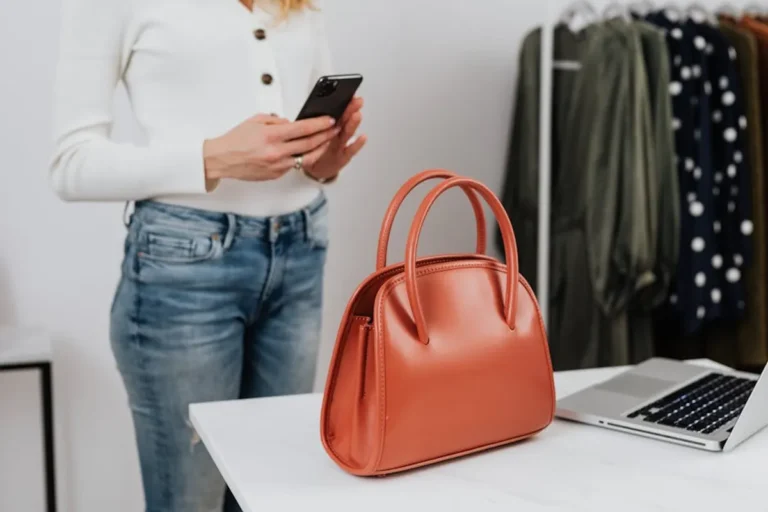
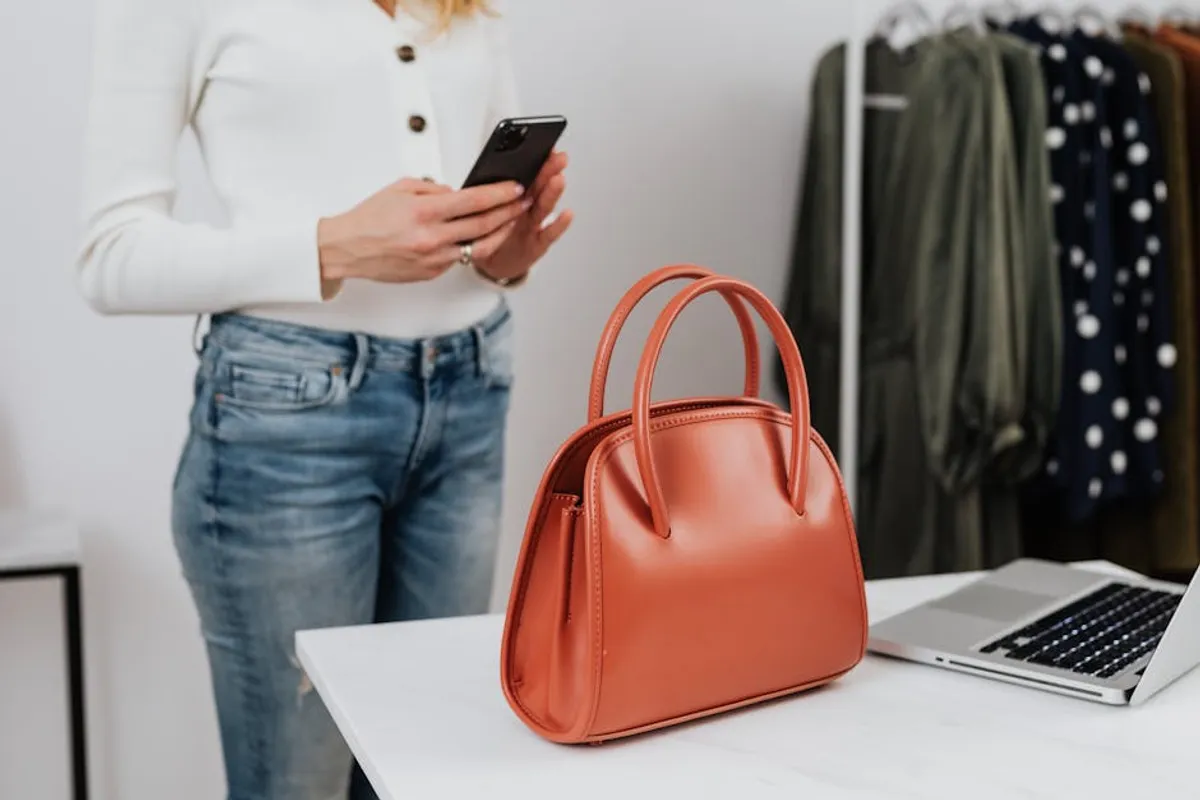
Structured bags continue to dominate, offering a clean, architectural aesthetic that complements a range of personal styles. These are not merely functional carriers but sculptural accessories, often featuring rigid frames, defined edges, and minimal hardware. The emphasis is on precise construction and materials that hold their shape, projecting an image of understated sophistication. Their appeal lies in their versatility, transitioning seamlessly from professional settings to more formal occasions.
Function Meets Form: The Everyday Carryall
Within the structured category, the elevated tote and top-handle bag stand out. These designs prioritize organization and accessibility without sacrificing elegance. Many feature internal compartments, secure closures, and robust handles designed for comfortable carrying. The commercial utility of such bags is clear: they cater to a demographic that values both aesthetic precision and practical capacity for daily essentials, often serving as a primary work or travel companion.
Pro Tip: When evaluating a structured bag for its long-term value, examine the quality of the leather or primary material, the stitching consistency, and the durability of the hardware. These elements are critical indicators of construction integrity and potential for enduring wear.
Miniature Statements: Impact in a Compact Form
The enduring popularity of mini and micro bags continues to shape the market, albeit with an evolving purpose. These smaller formats are less about expansive utility and more about making a distinct style statement. This year, they often feature intricate detailing, unexpected textures, or bold colorways, serving as a focal point for an outfit. Their commercial appeal lies in their accessibility as an entry point into designer collections for some, and as a playful, collectible item for others.
Beyond the Novelty: Styling Small
While their capacity is limited, micro bags challenge traditional notions of what a handbag should carry. They encourage a curated approach to essentials, often accommodating just a phone, cardholder, and lipstick. Their design often incorporates clever carrying options, such as detachable straps that convert them from shoulder bags to clutches, or integrated handles that allow them to be worn as wristlets. This adaptability extends their practical use beyond purely decorative purposes, making them suitable for evening events or minimalist day outings.
Reimagined Classics: Heritage with a Modern Edge
Many designers are revisiting their archives, bringing back beloved silhouettes with contemporary updates. This trend offers a compelling blend of nostalgia and innovation. These "reimagined classics" often feature subtle tweaks to hardware, new material interpretations, or updated proportions that align with current aesthetics while retaining their iconic DNA. The commercial strategy here taps into a desire for proven, recognizable designs that also feel fresh and relevant.
The Enduring Appeal of Archival Inspirations
The strength of these bags lies in their established design language and historical significance. For consumers, investing in a reimagined classic often feels like a safer choice, given its track record of style longevity and potential for value retention. These pieces often feature signature elements that are instantly recognizable, contributing to their desirability and status within a collection. The updates typically enhance functionality or comfort, ensuring they meet the demands of modern wear.
Material Focus: Tactile Luxury and Conscious Choices
Material innovation and ethical considerations are increasingly influencing the designer bag market. Beyond traditional fine leathers, there's a growing emphasis on alternative materials that offer unique textures or sustainable credentials. This includes:
- Exotic Textures: Embossed leathers mimicking crocodile or lizard, and textured fabrics like bouclé or shearling, provide tactile interest and visual depth.
- Sustainable Alternatives: A rise in plant-based leathers, recycled materials, and responsibly sourced fabrics caters to a growing demand for eco-conscious luxury. These materials are often chosen for their innovative properties and reduced environmental impact.
- Canvas and Fabric Blends: Durable canvas, often paired with leather accents, offers a more casual yet refined aesthetic, ideal for everyday use and travel.
These material choices not only diversify the aesthetic landscape but also reflect a broader industry movement towards more thoughtful production and consumption.
Making an Informed Choice for Your Collection
When considering a designer bag this year, prioritize pieces that align with your personal style and functional needs, rather than solely chasing novelty. Evaluate the craftsmanship, material quality, and the bag's versatility across different occasions. A bag worth talking about is one that not only captures current design sensibilities but also promises enduring wear and satisfaction, enhancing your collection for years to come.
Frequently Asked Questions
What makes a designer bag "worth talking about" this year?
Bags worth discussing this year combine strong design aesthetics with practical utility, innovative materials, and a sense of enduring style. They often reflect current trends while maintaining classic appeal.
Should I prioritize trend or timelessness in my selection?
The most impactful choices often blend both. A bag with classic lines updated with a modern material or color can offer both immediate relevance and long-term wearability. Consider your existing wardrobe and how the bag will integrate.
Are smaller bags still a relevant choice for daily use?
While mini bags are generally not designed for extensive daily carrying, their continued presence indicates their role as a significant style accessory. For minimalists or those who carry few essentials, they can be practical, especially when designed with versatile carrying options.
How important is the material in a designer bag purchase?
Material is paramount, influencing durability, aesthetic appeal, and how the bag ages. High-quality leathers, innovative sustainable alternatives, and well-constructed fabrics are key indicators of a bag's overall value and longevity.