
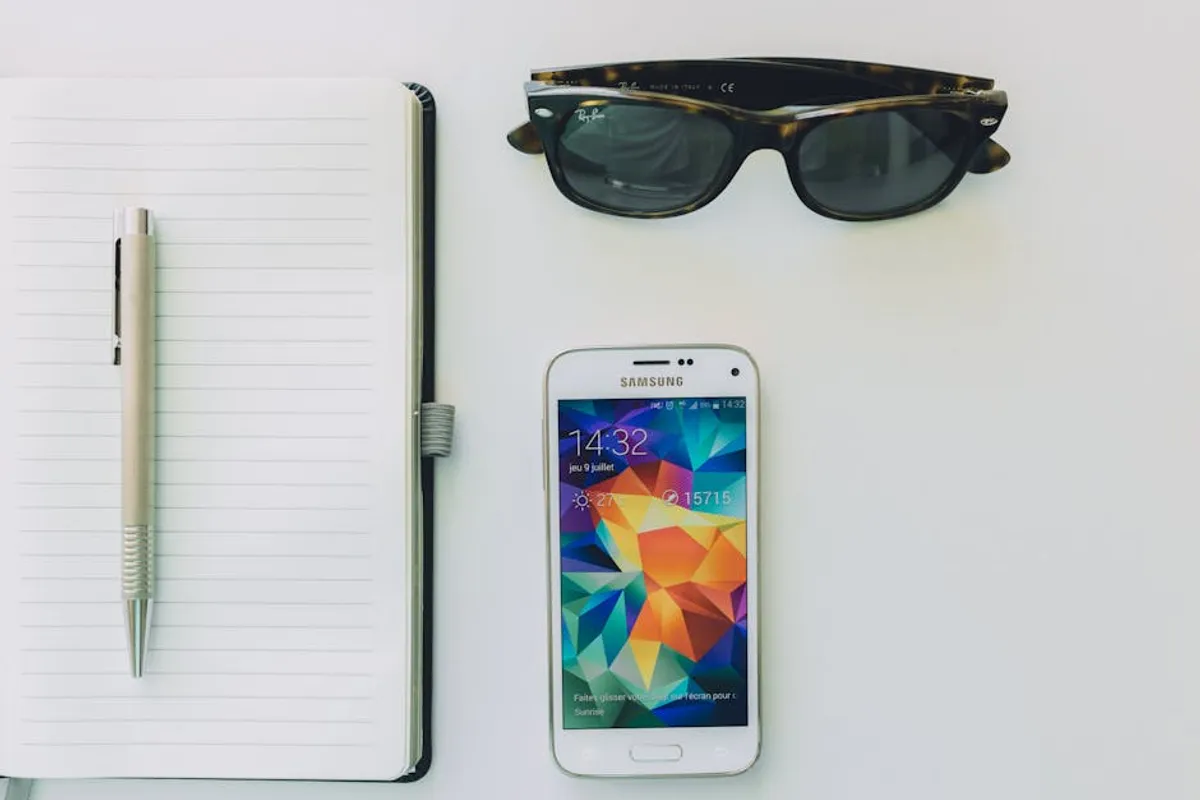
Custom sunglasses serve as a tangible brand extension, offering a distinct promotional channel beyond digital advertising or traditional print. For marketers, event planners, or businesses seeking unique merchandise, the decision to invest in custom eyewear requires balancing aesthetic appeal with functional quality and budget. This involves navigating design choices that align with brand identity and understanding the procurement process to ensure a successful, impactful product delivery.
Strategic Design Elements for Custom Sunglasses
Effective custom sunglasses integrate brand messaging directly into a wearable, often shareable, item. The design process moves beyond simply adding a logo; it involves selecting components that reflect brand values and target audience preferences.
Frame Styles and Materials
The frame is the primary canvas for customization. Different styles convey distinct impressions:
- Classic Wayfarer: A universally recognized shape, suitable for broad appeal and casual branding. Materials often include polycarbonate for durability and cost-effectiveness.
- Aviator: Conveys a sophisticated or classic image, frequently made with metal frames for a premium feel.
- Sport/Wrap-around: Designed for active use, often featuring lightweight, impact-resistant TR90 or nylon frames. Best for brands targeting outdoor or athletic demographics.
- Trendy/Novelty: Cat-eye, round, or oversized frames cater to specific fashion-forward audiences. Acetate is a common material, allowing for rich colors and patterns.
Material selection impacts both the tactile experience and the perceived value. Polycarbonate offers a balance of cost, durability, and print surface. Acetate provides a deeper color saturation and a more substantial feel, often at a higher price point. Metal frames (e.g., stainless steel, aluminum) lend a premium, resilient quality.
Lens Customization and Performance
Lenses are critical for both function and visual impact. Beyond standard tints, options include:
- Color Tints: Matching lens color to brand palettes can create a cohesive look. Grey, brown, and green are common, but custom colors are available for larger orders.
- Mirror Coatings: Adds a reflective layer, enhancing aesthetic appeal and reducing glare. Available in various colors (e.g., silver, blue, red).
- Gradient Lenses: Darker at the top, fading to lighter at the bottom, offering a stylish look while maintaining clear lower vision.
- Polarization: Essential for reducing glare from reflective surfaces (water, snow, roads). This feature adds significant value and positions the sunglasses as a higher-end item, suitable for outdoor-focused brands.
- UV Protection: Crucial for eye health. Ensure lenses block 99-100% of UVA and UVB rays (UV400 protection). This is a non-negotiable safety feature and a key selling point.
Branding Placement and Techniques
Strategic logo placement enhances visibility without overwhelming the design:
- Temple Arms: The most common area for logos, often screen-printed, pad-printed, or laser-engraved. Inner temple branding offers a subtle touch, while outer temple branding provides immediate visibility.
- Lenses: Small, etched, or printed logos on the upper corner of a lens are discreet yet noticeable. Ensure the technique does not obstruct vision.
- Packaging and Cases: Custom cases, pouches, or boxes extend branding opportunities and protect the product, adding to the unboxing experience.
Pro Tip: Consider the longevity of the branding method. Laser engraving on metal or acetate is more durable than surface printing, which can wear off with extended use.
Essential Buying Tips for Custom Sunglasses
Procuring custom sunglasses involves more than just design; it requires careful consideration of manufacturing processes, quality assurance, and logistical planning.
Minimum Order Quantities (MOQ)
Manufacturers typically impose MOQs, which can range from 50 to several thousand units, depending on the level of customization and supplier. Lower MOQs often come with higher per-unit costs due to less efficient production runs. For highly specialized designs or materials, MOQs will increase significantly. Always clarify the MOQ early in the negotiation process.
Production and Lead Times
Custom manufacturing requires lead time for design approval, material sourcing, production, and shipping. Standard lead times can range from 4-8 weeks, but complex designs, high volumes, or international shipping can extend this to 12 weeks or more. Plan your order well in advance of any specific event or campaign launch date to avoid rush fees or missed deadlines.
Quality Control and Durability Standards
Verify the manufacturer's quality control processes. Key areas include:
- Material Quality: Ensure frames are free of defects, lenses are scratch-resistant, and hinges operate smoothly.
- UV Protection Certification: Request documentation (e.g., CE, FDA, ANSI Z80.3) confirming UV400 protection. This is crucial for consumer safety and brand reputation.
- Print Durability: Test samples for logo adhesion and resistance to fading or scratching.
Pro Tip: Always request a physical sample or pre-production prototype for final approval before committing to a full production run. Digital mock-ups can misrepresent colors, material finishes, and overall feel. A physical sample allows for tactile evaluation and ensures all specifications are met, preventing costly errors later.
Pricing Structures and Volume Discounts
Pricing is typically tiered based on quantity, customization complexity, and material choices. Expect unit costs to decrease significantly at higher volume breakpoints. Obtain detailed quotes that break down costs for tooling, setup fees, per-unit manufacturing, and shipping. Be wary of quotes that seem unusually low, as they might indicate compromises in material quality or ethical production standards.
Legal and Compliance Considerations
Ensure any custom designs, especially those involving specific shapes or branding elements, do not infringe on existing trademarks or intellectual property. If using licensed characters or designs, secure proper licensing agreements. Confirm the manufacturer adheres to relevant safety and import regulations for your target market.
Finalizing Your Custom Sunglasses Project
Successful custom sunglasses projects hinge on clear communication and a detailed brief. Consolidate your design specifications, branding guidelines, target audience profile, and budget constraints into a comprehensive document for potential suppliers. Prioritize which features are essential (e.g., UV protection, specific frame material) versus those that are desirable but flexible (e.g., exact lens tint, packaging style). This structured approach helps streamline the quoting process and ensures the final product aligns with your marketing objectives and brand standards.
Frequently Asked Questions
What is the typical minimum order quantity for custom sunglasses?
MOQs vary significantly by supplier and customization level, generally ranging from 50 units for basic branding to 500-1000+ units for extensive design modifications or specialized materials.
How long does it take to produce and receive custom sunglasses?
Production and delivery times typically range from 4 to 12 weeks. This includes design finalization, material procurement, manufacturing, quality control, and shipping. Complex designs or high volumes may require longer lead times.
Can I get a sample before placing a large order?
Most reputable manufacturers offer pre-production samples or prototypes, often for a fee that may be credited back to the final order. This step is highly recommended to verify design, quality, and branding accuracy.
What is the most important factor for custom sunglasses quality?
Beyond aesthetic appeal, ensuring the lenses provide 99-100% UVA and UVB protection (UV400) is paramount for consumer safety and product integrity. Verifying this through certification is crucial.



