
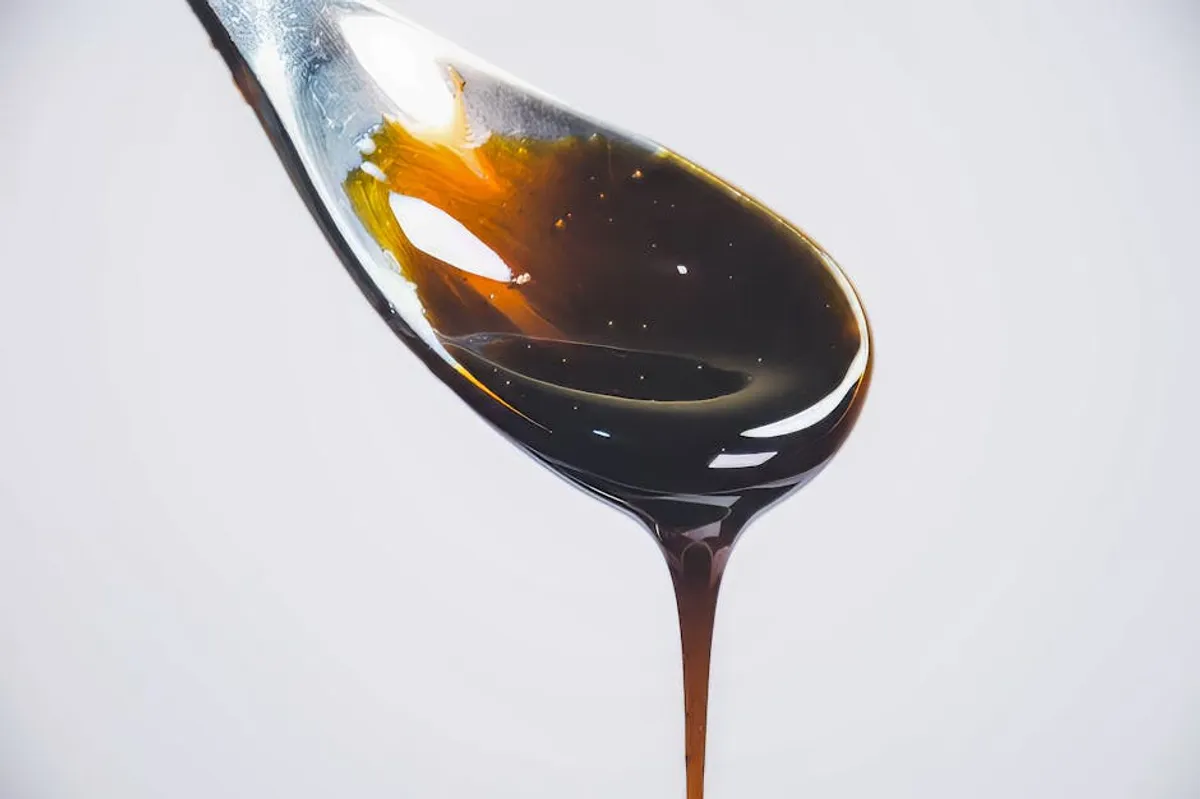
Caramel honey highlights offer a versatile and universally flattering approach to hair color, blending rich, warm tones to create dimension and luminosity. This popular hair trend combines the deep, golden-brown hues of caramel with the lighter, sun-kissed warmth of honey, resulting in a natural, radiant effect. The appeal lies in its ability to soften features, add movement to hair, and provide a low-maintenance option for those seeking a refreshed look without a drastic change. Understanding the specific nuances of these tones and their application methods is crucial for achieving the desired aesthetic, whether aiming for subtle enhancement or a more pronounced, vibrant transformation.
Defining Caramel and Honey Tones
The distinction between caramel and honey tones is subtle but significant, forming the foundation of this highlight style. Caramel hues are characterized by their rich, buttery golden-brown quality, often with underlying hints of copper or red. They provide depth and warmth, mimicking the natural sun-lightened effect on darker hair. Honey tones, conversely, are lighter and brighter, leaning towards a golden-yellow or amber shade. These tones introduce a luminous, sun-kissed glow, particularly effective around the face or through the mid-lengths and ends of the hair.
When combined, caramel and honey create a dynamic interplay of light and shadow. The deeper caramel provides a grounding warmth, while the honey adds shimmering highlights, preventing the color from appearing flat. This blend ensures the highlights look natural and multi-dimensional, adapting well to various base colors and skin tones.
Strategic Application Techniques for Caramel Honey Highlights
The method of applying caramel honey highlights significantly influences the final look, from subtle sun-kissed effects to more pronounced color contrasts. Each technique offers distinct advantages based on the desired outcome and maintenance commitment.
- Balayage: This hand-painting technique creates soft, natural-looking highlights that are seamlessly blended into the hair. Balayage is ideal for achieving a sun-kissed effect with a gradual transition from darker roots to lighter ends, making grow-out less noticeable and maintenance lower. Caramel honey balayage provides depth at the roots and brightness through the lengths, mimicking natural light reflection.
- Foilyage: A hybrid approach, foilyage combines the freehand application of balayage with the use of foils. Foils help to intensify the lightening process, allowing for brighter and more defined caramel honey highlights, especially on darker base colors. This technique is suitable when a more noticeable contrast and higher lift are desired while still maintaining a blended appearance.
- Babylights: For an exceptionally fine and delicate effect, babylights involve applying very thin, micro-highlights throughout the hair. This technique creates an all-over, subtle brightness reminiscent of a child's natural highlights. Caramel honey babylights add gentle warmth and dimension without appearing overtly colored, offering a soft, diffused glow.
- Face-Framing Highlights: Concentrating caramel honey tones around the hairline and face can instantly brighten the complexion and draw attention to facial features. This technique, often combined with balayage or foilyage, creates a halo effect that enhances natural radiance with minimal overall color change.
- Lowlights: Incorporating deeper caramel or even light brown lowlights alongside honey highlights can add significant depth and contrast, making the lighter tones pop more effectively. This technique prevents the hair from looking monochromatic and enhances the multi-dimensional aspect of the caramel honey palette.
Customizing Highlights for Hair Type and Skin Tone
Achieving the most flattering caramel honey highlights requires careful consideration of both hair characteristics and individual skin undertones. The interaction between these elements dictates how the color will appear and complement the wearer.
Hair Texture and Base Color:
Straight hair will showcase the linear progression of highlights more distinctly, emphasizing the blend and placement. Wavy or curly hair, conversely, allows highlights to catch light in varied ways, enhancing dimension and movement. Darker base colors (e.g., deep brown, black) will require more lift to achieve true caramel and honey tones, often necessitating a pre-lightening step. This process must be managed carefully to preserve hair integrity and avoid unwanted brassy undertones. Lighter base colors (e.g., light brown, dark blonde) can achieve these tones with less aggressive lightening, often resulting in a softer, more integrated look.
Skin Undertones:
Caramel and honey shades generally complement warm skin undertones (those with peachy, golden, or olive complexions) exceptionally well, enhancing natural radiance. However, they can be adapted for cool skin undertones (those with pink, red, or blue complexions) by ensuring the caramel honey formulation has a slightly more neutral or even cooler base, avoiding overly golden or orange hues that might clash. A skilled colorist can adjust the specific blend of caramel and honey to harmonize with a client's unique complexion, ensuring the highlights enhance rather than overpower their natural coloring.
Pro Tip: Always schedule a detailed consultation with a professional colorist before committing to caramel honey highlights. Discuss your desired outcome, lifestyle, and hair history. A patch test is also advisable, especially for significant color changes or if you have known sensitivities, to ensure compatibility with coloring agents and to predict the final shade on your specific hair type.
Maintenance and Longevity of Caramel Honey Highlights
Maintaining the vibrancy and health of caramel honey highlights is essential for their longevity and appearance. Proper aftercare ensures the color remains fresh and the hair stays strong.
Color-Safe Products: Utilize shampoos, conditioners, and masks specifically formulated for color-treated hair. These products help seal the cuticle, preventing premature color fade and protecting against environmental damage. Look for sulfate-free options to minimize stripping of color pigments.
Heat Protection: Highlighted hair is more susceptible to heat damage. Always apply a heat protectant spray or serum before using styling tools such as flat irons, curling irons, or blow dryers. Excessive heat can alter the tone of highlights, leading to dullness or brassiness.
Toning Treatments: While caramel and honey tones are inherently warm, environmental factors or improper aftercare can sometimes lead to unwanted brassiness (excessive orange or yellow tones). Regular use of a blue or purple toning shampoo/conditioner, as recommended by your stylist, can help neutralize these unwanted hues and maintain the desired warmth. However, overuse can shift the color, so follow professional guidance.
Regular Touch-ups: The frequency of touch-ups depends on the application technique. Balayage, with its soft grow-out, typically requires touch-ups every 3-4 months. Foilyage and babylights may need more frequent visits, every 8-12 weeks, to maintain their defined brightness at the roots. Consistent professional care ensures the highlights remain blended and vibrant.
Achieving Your Ideal Caramel Honey Highlight Look
Selecting and maintaining caramel honey highlights involves a series of informed decisions, from the specific tonal blend to the application technique and ongoing care. The versatility of these warm, dimensional shades makes them a compelling choice for enhancing natural beauty and adding a touch of radiance. Prioritizing a professional consultation ensures that the chosen highlights perfectly complement your individual features, hair type, and lifestyle, leading to a result that is both stunning and manageable. With proper care, your caramel honey highlights will provide lasting warmth and luminosity.
Frequently Asked Questions
What is the primary difference between caramel and honey highlights?
Caramel highlights are generally deeper, richer golden-brown tones with hints of copper or red, offering warmth and depth. Honey highlights are lighter, brighter golden-yellow or amber shades, providing a luminous, sun-kissed glow.
How long do caramel honey highlights typically last before needing a touch-up?
The longevity depends on the application technique. Balayage can last 3-4 months due to its soft grow-out. Foilyage and babylights, which are closer to the root, may require touch-ups every 8-12 weeks to maintain their defined appearance.
Can caramel honey highlights be applied to very dark hair?
Yes, caramel honey highlights can be successfully applied to very dark hair. However, achieving the desired warmth and brightness will typically require a pre-lightening step to lift the dark base color, which should be done by a professional to ensure hair health and optimal tone.
How can I prevent my caramel honey highlights from turning brassy?
To prevent brassiness, use color-safe and sulfate-free shampoos and conditioners. Incorporate a blue or purple toning product into your routine as advised by your stylist, but use it sparingly to avoid shifting the desired warm tone. Minimize exposure to harsh sunlight and chlorinated water, and always use heat protectant when styling.



