
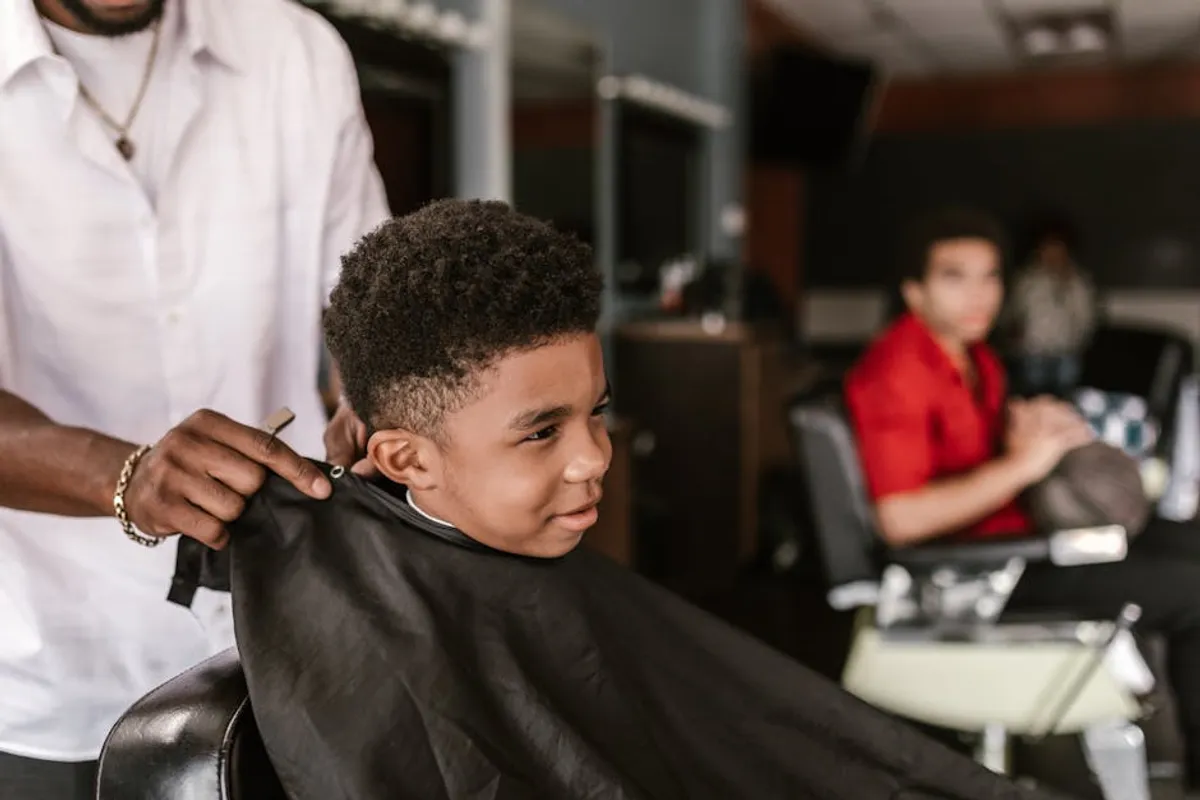
Selecting the right haircut for a child involves more than just aesthetics; it’s about practicality, hair health, and often, the child’s comfort and evolving identity. As children grow, their hair texture can change, their activity levels shift, and their personal preferences begin to emerge. A style that worked perfectly for a toddler’s fine, sparse hair might become a tangled nightmare for an active elementary schooler with thick, wavy locks. This guide outlines popular and practical haircut styles tailored to different age groups, considering factors like maintenance, versatility, and suitability for various hair types. Understanding these distinctions helps parents and caregivers make informed decisions that support both style and ease of care, ensuring a positive experience for the child at every stage.
What to Consider When Choosing a Kids' Haircut Style
Before settling on a specific style, several practical considerations should guide your decision. These factors ensure the haircut is not only visually appealing but also manageable and comfortable for the child.
- Hair Type and Texture: Fine, thick, straight, wavy, curly, or coily hair each respond differently to cuts. A blunt cut on fine hair creates volume, while layers reduce bulk in thick hair. Curly hair often requires specific cutting techniques to maintain its natural bounce and prevent frizz.
- Maintenance Level: Evaluate how much daily styling you or your child are willing to do. Some cuts are wash-and-go, while others require specific products, brushing, or heat styling. Low-maintenance options are generally preferred for younger children and busy families.
- Child's Activity Level: Active children involved in sports or frequent outdoor play benefit from styles that keep hair out of their face and are less prone to tangles. Shorter styles or those easily tied back are often practical choices.
- Child's Preference and Comfort: As children age, their input becomes crucial. A haircut they dislike can lead to resistance and discomfort. For younger children, ensure the style doesn't irritate their skin or get in their eyes.
- Growth Rate and Trim Frequency: Hair grows at different rates. Some styles, like bobs or fades, require more frequent trims (every 4-6 weeks) to maintain their shape, while longer layered styles can go longer between cuts (8-12 weeks).
- Face Shape: While less critical for infants and toddlers, considering face shape can enhance a style for older children. For example, bangs can soften a high forehead, and layers can frame a round face.
1. The Baby Bob (0-18 months)
This style is ideal for infants with fine, straight hair that has grown long enough to reach the nape of the neck or just above the shoulders. It offers a clean, uniform look that minimizes tangles and is easy for parents to manage. The cut is typically blunt, providing a classic, neat appearance without requiring extensive styling beyond simple brushing.
Best for: Infants and young toddlers (0-18 months) with fine to medium straight hair; parents seeking low-maintenance, classic styles.
Pros:
- Minimizes tangles due to uniform length.
- Easy to wash and dry quickly.
- Provides a neat, polished look for young children.
- Requires minimal styling beyond brushing.
Cons:
- May not suit very curly or coily hair textures without significant styling effort.
- Requires regular trims (every 6-8 weeks) to maintain shape.
- Limited versatility for braids or elaborate updos.
Verdict: The Baby Bob is a practical choice for parents prioritizing simplicity and a tidy appearance for their youngest children, particularly those with straighter hair types. Its low-fuss nature makes it suitable for busy schedules.
2. Soft Layers/Natural Grow-Out (0-3 years)
This approach focuses on allowing a child's natural hair texture to develop with minimal intervention. Instead of a structured cut, a stylist might add very soft, subtle layers to shape the hair and remove bulk, especially for wavy or curly textures. The goal is to enhance the natural movement and reduce the need for daily styling, making it comfortable for the child and easy for parents.
Best for: Infants and toddlers (0-3 years) with wavy, curly, or coily hair; parents preferring a natural look with minimal styling.
Pros:
- Embraces and enhances natural hair texture.
- Extremely low maintenance, often wash-and-go.
- Reduces frizz and tangles in curly hair when cut properly.
- Allows for longer periods between trims.
Cons:
- May appear less "styled" or polished compared to blunt cuts.
- Can be prone to uneven growth if not periodically shaped.
- Requires specific curly hair care products to maintain definition.
Verdict: This style is excellent for children with textured hair, promoting healthy growth and reducing daily hair battles. It prioritizes comfort and natural beauty over strict conformity to a specific cut.
3. The Toddler Buzz/Clipper Cut (1-4 years)
A short, uniform clipper cut across the entire head, or slightly longer on top with faded sides. This style is the epitome of low maintenance, ideal for active toddlers and parents who want to minimize hair care time. It’s particularly effective in warmer climates or for children prone to sweating, keeping them cool and comfortable.
Best for: Active toddlers and young children (1-4 years), especially boys, and those with fine to thick hair who require minimal upkeep.
Pros:
- Extremely low maintenance and quick to dry.
- Keeps the child cool and comfortable.
- Minimizes tangles and knots.
- Requires infrequent washing compared to longer styles.
Cons:
- Offers limited styling versatility.
- Requires frequent trims (every 3-5 weeks) to maintain its short, neat appearance.
- May not suit all head shapes or parental aesthetic preferences.
Verdict: The Toddler Buzz is a highly practical choice for parents seeking ultimate simplicity and comfort for their child. Its functional benefits often outweigh its lack of styling options for this age group.
4. The Classic Pixie (3-6 years)
A short, layered cut that is typically longer on top and tapered at the back and sides. For preschoolers, this means a playful, easy-to-manage style that keeps hair out of their face during play. It works well with various hair textures, adding volume to fine hair and controlling frizz in wavy hair. The modern pixie can include soft, wispy bangs or be swept to the side.
Best for: Girls (3-6 years) with fine to medium hair, active children who need hair out of their eyes, and parents desiring a stylish, low-maintenance option.
Pros:
- Very low maintenance and quick to dry.
- Keeps hair completely out of the face during play.
- Can add volume and texture to fine hair.
- Looks chic and polished with minimal effort.
Cons:
- Requires frequent trims (every 4-6 weeks) to maintain its shape.
- Limited versatility for tying up or braiding.
- Growing it out can be an awkward phase.
Verdict: The Classic Pixie provides a stylish yet practical solution for active young girls, offering a sophisticated look without the hassle of daily styling or extensive upkeep.
5. The Shaggy Mane (3-7 years)
This medium-length cut incorporates soft, choppy layers throughout the hair, creating texture and movement. It's a versatile, gender-neutral style that can be adapted for various hair types, from straight to wavy. The shaggy mane allows for a natural, slightly undone look that is both playful and easy to maintain, as it doesn't require precise styling.
Best for: Boys and girls (3-7 years) with medium to thick hair, parents looking for a relaxed, natural style that allows for growth between trims.
Pros:
- Enhances natural texture and volume.
- Low maintenance; often looks best with minimal styling.
- Allows for longer periods between trims (8-10 weeks).
- Versatile enough to be worn loose or partially tied back.
Cons:
- Can appear messy if not periodically shaped.
- May require some product to define layers in very straight hair.
- Hair can still get in the eyes if not styled or trimmed regularly.
Verdict: The Shaggy Mane is an excellent choice for children who prefer a more relaxed, natural aesthetic. Its inherent texture and forgiving nature make it a practical option for active kids who need a style that can withstand play.
6. The Modern Bowl Cut (4-8 years)
A contemporary take on the classic bowl cut, this version features softer edges, often with some subtle layering or texturizing to prevent a harsh, helmet-like appearance. It typically involves hair cut uniformly around the head, often with a fringe that sits just above the eyebrows. This style offers a clean, distinctive look that is relatively easy to maintain.
Best for: Boys and girls (4-8 years) with straight to slightly wavy hair, particularly those with finer hair seeking to create an illusion of thickness.
Pros:
- Provides a distinct, fashionable look.
- Keeps hair out of the eyes with a well-cut fringe.
- Relatively easy to comb and maintain daily.
- Can make fine hair appear fuller.
Cons:
- Requires precise cutting to avoid a dated appearance.
- Needs regular trims (every 5-7 weeks) to maintain its shape and fringe length.
- May not flatter all face shapes, particularly very round faces.
Verdict: The Modern Bowl Cut offers a stylish, low-fuss option for children with appropriate hair types. Its success relies on a skilled stylist who can adapt it to the child's features, moving beyond its traditional, often unflattering, reputation.
7. Long Layers with Bangs (6-10 years)
This popular style features long hair with strategically placed layers to add movement, reduce bulk, and prevent the hair from looking heavy. The addition of bangs (fringe) can frame the face, soften features, and keep hair out of the eyes. This style offers significant versatility for elementary school-aged girls, allowing for various updos, braids, and ponytails while maintaining a fashionable look when worn down.
Best for: Girls (6-10 years) with medium to thick, straight or wavy hair, who desire a versatile style that balances length with manageability.
Pros:
- Offers high versatility for styling (braids, ponytails, updos).
- Layers prevent hair from feeling too heavy or flat.
- Bangs keep hair out of the eyes and frame the face.
- Can go longer between full trims (10-12 weeks), with bang trims as needed.
Cons:
- Requires more maintenance than shorter styles (washing, conditioning, detangling).
- Bangs require regular trimming to stay out of the eyes.
- Can be prone to tangles if not brushed regularly.
Verdict: Long Layers with Bangs is a highly adaptable style that grows well with a child. It allows for personal expression through styling while maintaining a practical length for active elementary schoolers.
8. The Undercut/Fade (6-10 years)
A contemporary boy's haircut characterized by very short or shaved sides and back that gradually (fade) or sharply (undercut) transition into longer hair on top. This style is popular for its clean, sharp appearance and versatility on top, where the longer hair can be styled in various ways (swept, spiked, or left natural). It provides a neat look that keeps hair off the neck and ears.
Best for: Boys (6-10 years) with straight to wavy hair, who prefer a modern, clean-cut look with options for styling the top section.
Pros:
- Provides a very clean and tidy appearance on the sides and back.
- Keeps hair off the neck and ears, reducing sweat and discomfort.
- Offers versatility for styling the longer top section.
- Trendy and popular among this age group.
Cons:
- Requires frequent trims (every 3-5 weeks) to maintain the fade or undercut definition.
- Styling the top may require some product and effort.
- The contrast can be quite stark if not faded smoothly.
Verdict: The Undercut/Fade is an excellent choice for boys seeking a modern, sharp look. Its popularity stems from its balance of neatness and customizable top-section styling, though it demands consistent maintenance.
9. The Textured Crop (7-11 years)
A short, modern haircut for boys that features short back and sides, with slightly longer hair on top that is cut with layers to create texture. The top hair is often styled forward or slightly messy, giving it a relaxed yet stylish appearance. This cut works well with various hair types, enhancing natural texture and providing easy daily styling with minimal product.
Best for: Boys (7-11 years) with straight, wavy, or slightly curly hair, who want a stylish, low-maintenance cut that looks good with minimal effort.
Pros:
- Very easy to style; often just requires finger-combing with a small amount of product.
- Looks modern and fashionable.
- Keeps hair out of the eyes and off the neck.
- Enhances natural hair texture.
Cons:
- Requires regular trims (every 4-6 weeks) to maintain its shape and texture.
- May not suit very fine hair that struggles to hold texture.
- Limited versatility compared to longer styles.
Verdict: The Textured Crop is a highly practical and fashionable choice for elementary-aged boys. Its low-fuss styling combined with a contemporary look makes it a popular option for active kids who still want to look put-together.
10. The Lob (Long Bob) (8-12 years)
A lob is a bob cut that is longer than a traditional bob, typically falling between the chin and the collarbone. It can be cut blunt or with subtle layers, often with a slight angle where the front pieces are longer than the back. This style offers a sophisticated yet youthful look for pre-teen girls, providing the manageability of shorter hair with some of the versatility of longer styles, such as half-updos or low ponytails.
Best for: Girls (8-12 years) with straight to wavy hair, seeking a stylish, medium-length cut that is easier to maintain than very long hair but offers more styling options than a short bob.
Pros:
- Stylish and age-appropriate for pre-teens.
- Easier to manage and wash than very long hair.
- Offers some versatility for tying back or simple updos.
- Can be customized with subtle layers or an angled cut.
Cons:
- Still requires regular trims (every 8-10 weeks) to maintain its shape.
- May still be prone to tangles if hair is very thick or curly.
- Can sometimes feel "in-between" if not styled with intention.
Verdict: The Lob is an excellent transitional style for pre-teen girls, offering a chic look that is manageable for parents and stylish enough to appeal to a child developing their personal aesthetic.
11. The Side Part with Volume (10-12 years)
This sophisticated style for pre-teen boys involves longer hair on top, often styled with a deep side part and swept to one side, creating volume and a polished finish. The sides and back are typically kept shorter, either faded or tapered, to maintain a clean outline. This cut allows for more refined styling, appealing to boys who are becoming more conscious of their appearance and willing to use styling products.
Best for: Boys (10-12 years) with medium to thick straight or wavy hair, who are interested in a more mature and styled look.
Pros:
- Presents a mature and polished appearance.
- Offers significant styling versatility for the top section.
- Trendy and popular among pre-teen boys.
- Keeps hair out of the eyes while providing length.
Cons:
- Requires daily styling with product (e.g., pomade, wax) to maintain volume and shape.
- Needs regular trims (every 4-6 weeks) to keep the sides neat and the top manageable.
- May not suit very fine or very curly hair textures without significant effort.
Verdict: The Side Part with Volume is a strong choice for pre-teen boys ready to invest a little more time in their hair. It offers a sharp, contemporary look that balances youthful energy with a growing sense of style.
12. The Shag with Curtain Bangs (10-12 years)
A modern interpretation of the classic shag, this style features abundant layers throughout the hair, creating texture, volume, and movement, often with a slightly undone finish. Paired with curtain bangs – a fringe that is parted down the middle and swept to either side – it frames the face softly. This cut offers pre-teen girls a stylish, expressive look that is both trendy and relatively low maintenance, as its appeal lies in its natural, effortless vibe.
Best for: Girls (10-12 years) with wavy, curly, or even straight hair seeking a fashion-forward, textured style that offers personality and movement.
Pros:
- Creates significant volume and texture.
- Curtain bangs are softer and grow out more gracefully than blunt bangs.
- Offers a trendy, retro-inspired yet modern aesthetic.
- Relatively low styling effort for its impact; often looks good air-dried.
Cons:
- May require some texturizing product to enhance layers.
- Can appear messy if not cut and maintained well.
- Requires a skilled stylist to execute the layering correctly for different hair types.
Verdict: The Shag with Curtain Bangs is an excellent option for pre-teen girls looking to express individuality through a stylish, dynamic haircut. It offers a balance of trendiness and practicality, making it a versatile choice for this age group.
How to Choose the Right Haircut Style for Your Child
Selecting the optimal haircut for your child goes beyond simply picking a picture from a magazine. It involves an assessment of their individual needs, preferences, and the practicalities of daily life. First, genuinely involve your child in the decision-making process, especially as they get older. Their comfort and confidence with their hair directly impact their willingness to maintain it. Second, be realistic about the maintenance commitment. A highly styled cut might look appealing, but if it requires daily heat styling or specific products that you or your child won't consistently apply, it will quickly become frustrating. Third, prioritize hair health. Ensure the chosen style minimizes damage from excessive brushing, tying, or chemical treatments. Finally, consult with a professional stylist who specializes in children's hair. They can offer insights into how a particular style will work with your child's specific hair type, growth patterns, and overall lifestyle, providing a tailored recommendation that aligns with both aesthetic desires and practical needs.
Frequently Asked Questions
How often should a child get a haircut?
The frequency depends on the style and hair growth rate. Short, structured cuts like fades or bobs typically require trims every 4-6 weeks to maintain their shape. Longer, layered styles can often go 8-12 weeks between cuts. Bangs, however, often need a trim every 3-4 weeks to stay



