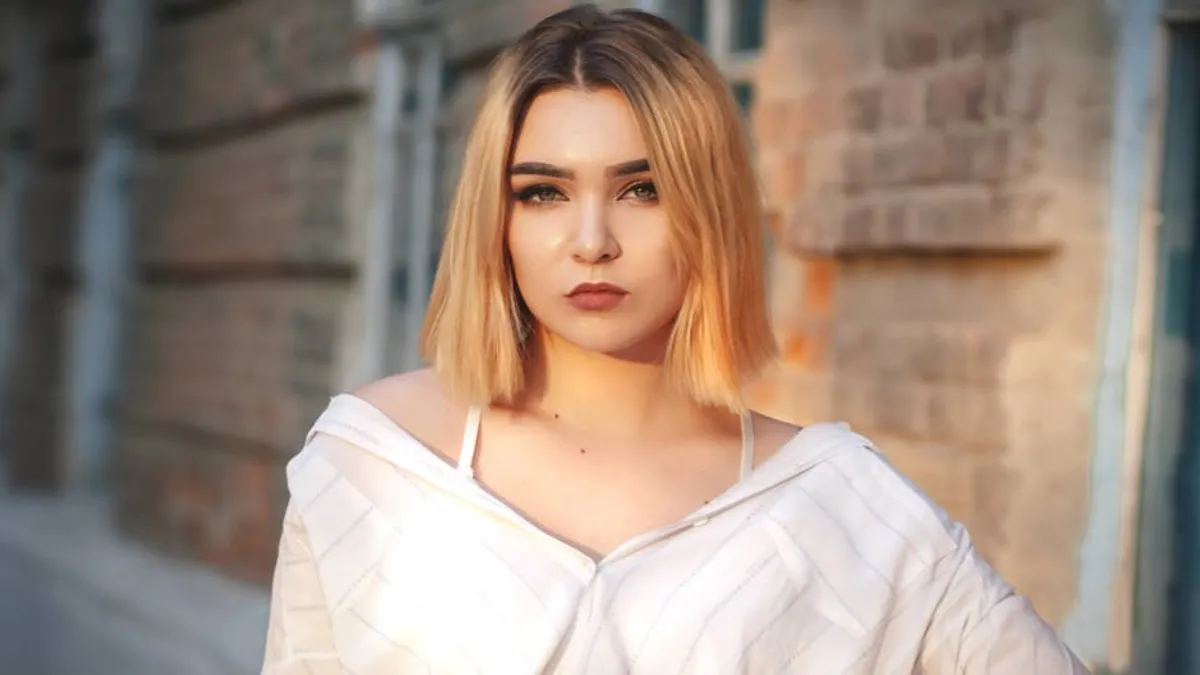
Choosing a haircut extends beyond current trends; it's about understanding your hair's fundamental structure and how it behaves. Straight, curly, and wavy hair each possess distinct characteristics that dictate how a cut will fall, move, and maintain its shape. A style that looks effortless on one hair type can become a daily battle against frizz, lack of volume, or unmanageable bulk on another. This guide details specific haircut strategies tailored to these three primary hair textures, offering insights into why certain cuts excel for particular hair types, their practical benefits, and potential drawbacks, ensuring you can select a style that works harmoniously with your natural hair.
How to Choose Your Ideal Haircut
Selecting a haircut that complements your hair type requires more than just picking a photo from a magazine. Consider these factors to ensure the style aligns with your hair's natural tendencies and your lifestyle:
- Hair Type Specifics: Straight hair often benefits from precision cuts that highlight sleekness and shine, as it lacks natural volume and can appear flat. Wavy hair thrives with cuts that encourage its natural bend and texture, often requiring specific layering to prevent a triangular shape. Curly hair demands cuts that work with its spring and volume, focusing on weight distribution to enhance curl definition and manage frizz. Ignoring these fundamental differences leads to daily styling frustration.
- Maintenance Commitment: Some cuts, particularly those with very precise lines or intricate layering, demand more frequent trims and dedicated styling time. Assess your willingness to commit to daily heat styling, specific product application, or regular salon visits. A low-maintenance cut might be a better fit for a busy schedule, regardless of how appealing a high-maintenance style appears initially.
- Hair Density and Texture: Beyond straight, wavy, or curly, consider if your hair is fine, medium, or thick, and if the individual strands are coarse or silky. Fine straight hair benefits from blunt cuts to maximize density, while thick curly hair often needs significant layering to remove bulk and allow curls to form properly. These textural nuances significantly impact how a cut will sit and whether it achieves the desired effect.
- Lifestyle Integration: Your daily activities influence the practicality of a haircut. An active individual might prefer a shorter, easily managed style, while someone who frequently styles their hair for professional settings might prioritize versatility for updos or sleek looks. The cut should integrate seamlessly into your routine, not complicate it.
1. The Classic Blunt Bob
The blunt bob is characterized by a precise, sharp line cut straight across the bottom, typically at jawline or chin length. This style maximizes the appearance of density and creates a strong, clean silhouette. For straight hair, the blunt edge enhances its inherent sleekness and shine, making it appear thicker and more polished. The absence of layers means every strand contributes to the solid perimeter, preventing the hair from looking wispy or thin at the ends.
Best for: Straight hair, fine to medium density, individuals seeking a strong, modern, and low-maintenance style that emphasizes hair health and thickness.
Pros: Creates the illusion of thicker hair; enhances natural shine; relatively low styling effort for straight hair; projects a sophisticated and confident image.
Cons: Can appear heavy on very thick straight hair without proper internal texturizing; less versatility for updos; requires regular trims (every 6-8 weeks) to maintain its sharp line.
Verdict: A definitive choice for straight hair, the blunt bob is a statement cut that prioritizes precision and perceived density. It's a reliable option for achieving a chic, no-fuss look that highlights the hair's natural smoothness.
2. Long Layers for Straight Hair
Long layers for straight hair involve cutting varying lengths into the hair, typically starting below the chin or collarbone, to add movement and prevent a blocky appearance without sacrificing significant length. The key is to keep the layers subtle and blended, allowing the hair to maintain its sleekness while gaining some body and flow. This technique works by removing weight strategically, encouraging gentle bends and providing a softer perimeter than a one-length cut.
Best for: Straight hair, medium to thick density, individuals desiring movement and volume without extreme styling, or those growing out shorter styles.
Pros: Adds volume and movement without compromising length; provides versatility for styling (curling, waving); softens facial features; easier to maintain than very short or highly structured cuts.
Cons: Layers can appear stringy or thin if cut too aggressively on fine straight hair; requires careful blending to avoid a choppy look; may still need some styling to achieve noticeable movement.
Verdict: An excellent choice for straight hair seeking natural body and visual interest. Long layers offer a balanced approach to adding dimension while preserving the hair's inherent elegance and length.
3. The Sleek Pixie
The sleek pixie cut is a short, close-cropped style where the hair is cut very short on the sides and back, with slightly more length on top that can be styled forward, to the side, or slicked back. For straight hair, this cut highlights the sharp lines and smooth texture, allowing for a precise and polished finish. Its structure relies on the hair's ability to lie flat and maintain its shape with minimal effort, showcasing strong facial features and necklines.
Best for: Straight hair, fine to medium density, individuals seeking a bold, low-maintenance, and modern style that emphasizes facial structure.
Pros: Extremely low styling time; highlights facial features; creates a strong, confident aesthetic; keeps hair off the neck and face, ideal for warmer climates or active lifestyles.
Cons: Requires frequent trims (every 4-6 weeks) to maintain its shape; limited styling versatility; can be a significant commitment for those used to longer hair; less forgiving of uneven hair growth.
Verdict: A powerful choice for straight hair, the sleek pixie is about precision and minimalist elegance. It's a high-impact cut that, when executed well, exudes sophistication and requires minimal daily fuss.
4. One-Length Cut (Straight Hair)
A one-length cut, also known as a solid form or club cut, means all the hair is cut to the same length around the perimeter, with no layers or graduation. This creates a uniform, heavy line that maximizes the perception of thickness and density. For straight hair, this cut emphasizes its natural smoothness and shine, allowing the hair to fall in a solid, unbroken sheet. It's a foundational cut that exudes simplicity and strength, relying on the hair's innate ability to lie flat and sleek.
Best for: Straight hair, fine to medium density, individuals who prioritize maximum length retention and a strong, simple aesthetic.
Pros: Maximizes hair density and volume at the ends; creates a strong, clean line; very low styling effort; can make fine hair appear thicker; ideal for showcasing healthy, shiny straight hair.
Cons: Can appear heavy or lack movement on very thick straight hair; limited styling versatility beyond wearing it down; prone to split ends becoming visible if not regularly trimmed; can feel flat at the crown without specific styling.
Verdict: The one-length cut is the quintessential choice for straight hair that aims for unadulterated sleekness and perceived thickness. It's a testament to simplicity, relying on the hair's natural characteristics for its impact.
5. The Deva Cut (or Curl-Specific Dry Cut)
The Deva Cut, or similar dry-cutting techniques for curly hair, involves cutting each curl individually in its natural, dry state. This method allows the stylist to see how each curl will naturally spring and fall, ensuring a customized shape that enhances the curl pattern, reduces bulk, and minimizes frizz. Unlike wet cutting, which can result in uneven lengths once the curls dry and shrink, a dry cut ensures a more predictable and flattering outcome, promoting bounce and definition.
Best for: All types of curly hair (wavy to coily), individuals seeking enhanced curl definition, reduced frizz, and a shape that works with their natural texture.
Pros: Maximizes natural curl pattern and bounce; significantly reduces frizz; creates a balanced shape that complements the face; allows for more precise weight distribution; typically low-maintenance after styling.
Cons: Requires a stylist specifically trained in dry-cutting techniques; can be more expensive than a traditional wet cut; may require specific styling products and techniques to maintain definition; not suitable if you frequently straighten your hair.
Verdict: For curly hair, a curl-specific dry cut is an investment in understanding and enhancing natural texture. It's the most effective method for achieving a harmonious, defined, and frizz-controlled curly style.
6. Shaggy Layers for Curly Hair
Shaggy layers for curly hair involve cutting multiple, distinct layers throughout the hair, often with shorter pieces around the face and crown, creating a textured, voluminous, and somewhat disheveled look. This cut works by breaking up the weight of curly hair, allowing individual curls to spring up more freely and reducing the dreaded "triangle" shape. The varying lengths encourage movement and provide a lived-in, effortless aesthetic that complements the natural exuberance of curls.
Best for: Wavy to medium curly hair, individuals seeking volume, movement, and a relaxed, bohemian-inspired style that minimizes bulk.
Pros: Enhances natural volume and texture; prevents hair from looking heavy or flat; easy to style for a "wash and go" look; versatile for different lengths; reduces styling time by working with natural curl.
Cons: Can appear messy if not styled with appropriate products; aggressive layering can sometimes lead to frizz if not hydrated; requires regular trims to maintain the shape and prevent split ends.
Verdict: Shaggy layers are a dynamic choice for curly hair, offering a playful yet sophisticated way to manage volume and embrace natural texture. It's a cut designed for movement and an effortlessly cool vibe.
7. The Tapered Fro
The tapered fro is a variation of the classic Afro, where the hair is cut shorter on the sides and back, gradually increasing in length towards the top of the head. This creates a clean, sculpted silhouette that defines the shape of the Afro while maintaining its natural volume and texture on top. The tapering technique allows for more structured edges and a neater overall appearance, offering a modern take on a timeless style for tightly coiled and kinky hair textures.
Best for: Tightly coiled and kinky curly hair, individuals seeking a structured, defined, and manageable Afro style that balances volume with clean lines.
Pros: Provides a clean, sculpted shape; reduces bulk on the sides and back for easier maintenance; highlights natural curl pattern on top; versatile for varying degrees of taper; projects a bold and confident look.
Cons: Requires regular trims to maintain the tapered shape; can be challenging to style uniformly without proper moisturizing products; may require specific tools (e.g., Afro pick) for daily maintenance.
Verdict: The tapered fro is an excellent option for embracing the natural volume of highly textured hair while introducing a refined, architectural element. It's a statement of style and self-expression, combining classic volume with modern precision.
8. Long Layers for Curly Hair
Long layers for curly hair involve strategically cutting longer layers throughout the hair, primarily to remove weight and encourage better curl formation without sacrificing significant length. Unlike layers for straight hair, these layers are often cut to follow the natural curve of the curl, ensuring that the curls stack and bounce rather than hanging flat or creating a heavy, triangular shape. The goal is to distribute the hair's volume evenly, promoting definition and movement from the roots to the ends.
Best for: Medium to thick curly hair, individuals who desire length while managing bulk, and those seeking enhanced curl definition and bounce.
Pros: Reduces bulk and weight, preventing the "pyramid" effect; encourages better curl formation and definition; allows for versatile styling while maintaining length; less prone to frizz when layers are properly blended.
Cons: If layers are cut too short or aggressively, they can lead to excessive frizz or a lack of cohesion in the curl pattern; requires careful consultation with a stylist experienced in curly hair; may still need specific products to maintain curl integrity.
Verdict: Long layers are fundamental for managing and enhancing longer curly hair. When expertly executed, they provide the necessary structure to allow curls to flourish, offering both volume and definition without excessive bulk.
9. The Shag for Wavy Hair
The shag haircut for wavy hair is characterized by abundant layers, often shorter around the crown and face, gradually lengthening towards the ends. This cut emphasizes the natural texture and movement of waves, creating a deliberately undone, effortless look. The layers work to enhance the hair's natural bends, adding volume and bounce, while the shorter pieces around the face frame it softly. It's a style that embraces imperfection and natural flow, making it ideal for those who prefer minimal styling.
Best for: Wavy hair, medium to thick density, individuals seeking volume, texture, and a low-maintenance, bohemian-inspired style.
Pros: Enhances natural waves and texture; adds significant volume and movement; requires minimal styling, often just air-drying with product; versatile for various lengths; reduces bulk in thick wavy hair.
Cons: Can appear too messy or unkempt if layers are not blended properly or if hair is very fine; requires specific styling products to encourage wave formation and reduce frizz; may need regular trims to maintain the layered structure.
Verdict: The shag is a quintessential cut for wavy hair, designed to maximize its inherent texture and create an effortlessly cool aesthetic. It's about working with, rather than against, the hair's natural inclinations.
10. The Textured Lob (Long Bob)
A textured lob is a longer version of the bob, typically falling between the chin and collarbone, characterized by subtle, often internal, layering or texturizing to create movement and softness. For wavy hair, this cut is particularly effective because the slight layering enhances the natural bends, preventing the lob from looking too heavy or blocky. The length is versatile, allowing for both worn-down waves and easy updos, while the texture adds a modern, undone feel that complements natural waves.
Best for: Wavy hair, fine to medium density, individuals seeking a versatile, modern, and relatively low-maintenance style that enhances natural texture.
Pros: Versatile length suitable for many face shapes; enhances natural waves and adds movement; relatively easy to style; can be worn sleek or textured; fewer maintenance trims than a very short bob.
Cons: May require some daily styling (e.g., sea salt spray, air drying) to bring out the texture; can look flat if layers are not strategically placed for wavy hair; less suitable for very long hair aspirations.
Verdict: The textured lob is a highly adaptable and fashionable choice for wavy hair, striking a balance between structure and natural movement. It's a modern classic that leverages the hair's inherent texture for a chic, effortless look.
11. Invisible Layers for Wavy Hair
Invisible layers, also known as internal or hidden layers, are cut underneath the top sections of hair, or deep within the hair shaft, without being visible on the surface. For wavy hair, this technique is used to remove bulk and add subtle movement without compromising the overall length or the appearance of a solid perimeter. By strategically reducing weight from the interior, invisible layers allow natural waves to form more easily, preventing the hair from feeling heavy or looking triangular, while maintaining a polished exterior.
Best for: Wavy hair, medium to thick density, individuals who want to reduce bulk and add movement without obvious layering or sacrificing length.
Pros: Reduces bulk and weight without altering the external shape; encourages natural wave formation and bounce; maintains a sleek appearance while adding internal movement; ideal for those who want subtle changes.
Cons: Requires a skilled stylist to execute correctly; if cut improperly, can lead to frizz or uneven texture; impact may be less dramatic than visible layers; not suitable for extremely fine hair as it can remove too much density.
Verdict: Invisible layers are a sophisticated solution for wavy hair, offering a discreet way to manage volume and enhance natural texture. It's a technique that provides tangible benefits without visible disruption to the hair's surface.
12. Graduated Bob for Wavy Hair
A graduated bob is characterized by a stacked back, where layers are cut shorter and progressively longer towards the front, creating a subtle angle and building weight and volume at the nape. For wavy hair, this structure works exceptionally well by enhancing the natural lift and curve at the back, allowing waves to stack beautifully. The graduation provides a strong shape that supports the natural movement of waves, resulting in a voluminous yet controlled silhouette that looks polished and modern.
Best for: Wavy hair, medium to thick density, individuals seeking a structured yet voluminous style that enhances natural waves and provides a strong profile.
Pros: Creates significant volume and lift at the back; enhances the natural curve and stack of waves; provides a strong, defined shape; versatile for different lengths; can reduce styling time by working with natural wave pattern.
Cons: Requires regular trims (every 6-8 weeks) to maintain the graduated shape; can be challenging to grow out gracefully; may require specific styling products to maintain definition and prevent frizz, especially in humid conditions.
Verdict: The graduated bob is a powerful choice for wavy hair, offering a structured approach to volume and shape. It leverages the hair's natural texture to create a dynamic and sophisticated look that stands out.
Beyond the Cut: Maintaining Your Style
A great haircut is only the first step; proper maintenance ensures its longevity and aesthetic impact. For straight hair, focus on products that enhance shine and provide heat protection if styling with hot tools. Regular trims (every 8-12 weeks) are crucial for maintaining blunt lines and removing split ends that can make hair appear thin. For curly and wavy hair, hydration is paramount. Utilize leave-in conditioners, curl creams, and gels designed to define curls and minimize frizz without weighing them down. Diffusing or air-drying can preserve natural texture, while satin pillowcases reduce friction and preserve curl integrity overnight. Regardless of hair type, protect your hair from excessive heat and chemical damage, and consult your stylist about specific product recommendations tailored to your hair's needs.
Frequently Asked Questions
How often should I get a trim for my specific hair type?
For straight hair, blunt cuts or pixies typically require trims every 4-8 weeks to maintain precision. Longer, layered straight styles can go 8-12 weeks. Curly and wavy hair often benefits from trims every 8-12 weeks to remove split ends and reshape layers, especially if you have a curl-specific cut that relies on precise weight distribution.
Can I wear a curly cut straight, and vice versa?
While technically possible, a haircut designed for curly hair may not look its best when straightened, and vice versa. Curly cuts are structured to accommodate shrinkage and encourage curl patterns, which can result in uneven layers or a lack of volume when straightened. Similarly, straight cuts may appear blocky or lack movement when curled. Versatility is possible with some styles, but the cut's primary design optimizes for its intended texture.
What's the key difference in layering for straight versus curly hair?
For straight hair, layers are typically cut to create movement, remove bulk, and soften the perimeter, often with precise, blended lines. For curly hair, layers are primarily used to remove weight, prevent the "pyramid" shape, and encourage individual curls to form and stack, often cut dry to account for curl shrinkage and natural pattern.
How do I know if a specific cut will suit my face shape?
While hair type is the primary focus here, face shape plays a supporting role. Generally, styles that add volume or width where your face is narrow, and minimize it where your face is wide, are flattering. For instance, a round face might benefit from cuts with height at the crown and less width at the sides, while a long face might benefit from width-adding layers. Consult with your stylist, who can