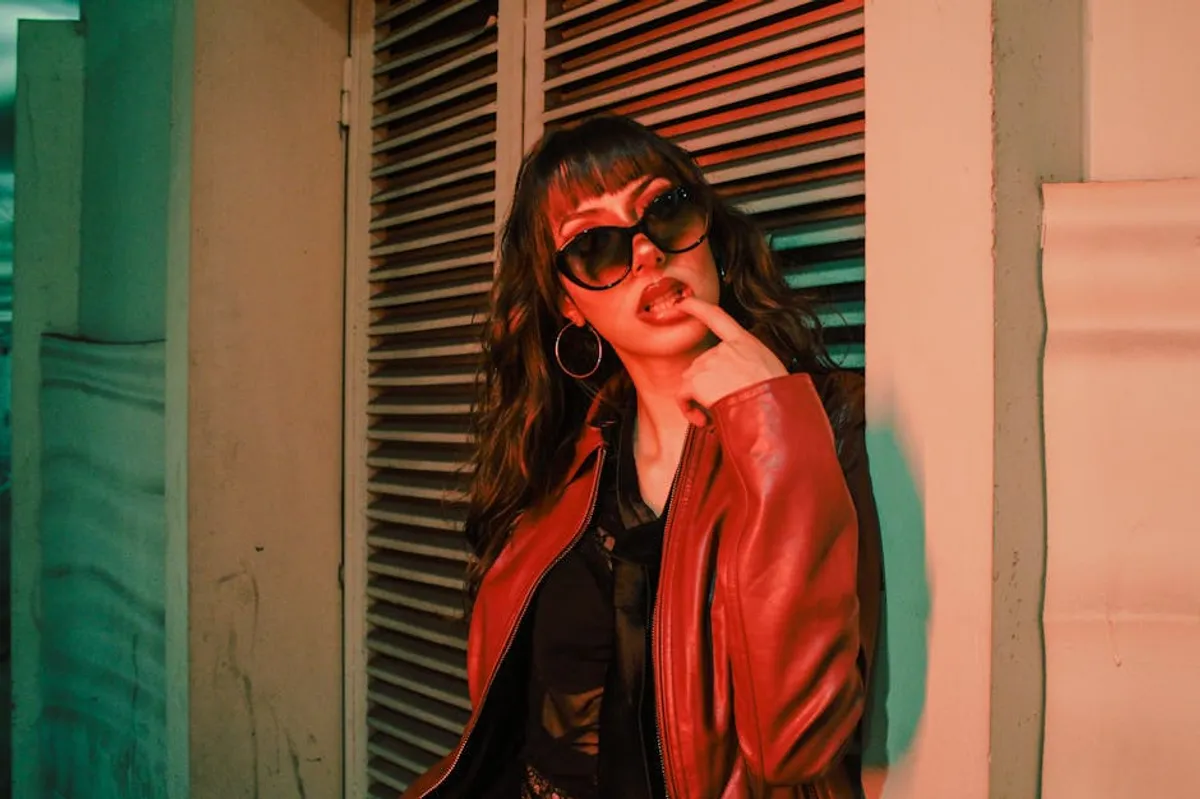
Choosing the right bang style can dramatically alter a haircut, framing the face and enhancing features. However, the success of any fringe depends heavily on its compatibility with an individual's face shape. An ill-suited bang can disproportionately emphasize certain features or create an unbalanced silhouette, leading to regret and a lengthy grow-out period. The objective is to select a style that harmonizes with the face's natural contours, whether by softening angles, adding width, or creating an illusion of length, ensuring the final look is both flattering and cohesive.
Key Considerations for Selecting Your Bang Style
Before committing to a specific bang cut, evaluate several factors beyond just current trends. The primary consideration is your face shape, as different styles complement different bone structures. For instance, blunt, heavy bangs can shorten a long face, while wispy, parted fringes can soften a square jawline. Hair texture and density also play a crucial role; fine hair may struggle to hold a full, dense bang, while thick hair might require significant texturizing to avoid a helmet-like appearance. Lifestyle and maintenance commitment are equally important. Some bangs demand daily styling and frequent trims to maintain their intended shape, while others are more forgiving as they grow out. Consider how much time you are willing to dedicate to styling and regular salon visits before making a decision.
1. Curtain Bangs
Curtain bangs are characterized by their longer length and face-framing layers that part down the middle or slightly off-center, sweeping to the sides. This style creates a soft, effortless aesthetic, blending seamlessly into the rest of the hair. They offer a versatile alternative to traditional blunt fringes, providing a touch of chic without the full commitment of a heavy, solid bang. Their inherent softness and adaptability contribute to their widespread popularity across various hair lengths and textures.
Best for: Oval, Long/Oblong, Square, Heart, and Round face shapes. They effectively soften sharp angles on square faces and add a sense of width to elongated faces. For round faces, the vertical parting and side-swept nature can create an illusion of length, balancing the facial structure.
Pros:
- Highly versatile, adapting well to diverse hair lengths and textures.
- Lower maintenance compared to blunt bangs, growing out gracefully with less awkward stages.
- Effectively softens facial features and frames the face without overwhelming it.
- Can be easily styled up, down, or tucked behind ears, offering styling flexibility.
Cons:
- Requires some styling with a round brush or flat iron to achieve optimal shape and volume.
- May not provide sufficient impact for individuals seeking a dramatic fringe.
- Can require relatively frequent trims (every 4-6 weeks) to maintain ideal face-framing length.
Verdict: An excellent entry-point bang style offering significant aesthetic impact with minimal long-term commitment, particularly effective for softening strong jawlines or adding dimension to elongated faces.
2. Wispy Bangs
Wispy bangs are characterized by their light, feathered texture, often cut slightly longer than micro bangs but designed to be sparse and delicate. They provide a subtle frame for the face without the heaviness or commitment of a full fringe. This style is achieved through precise point-cutting or slicing techniques, which remove bulk and create a soft, airy finish. Wispy bangs are ideal for those seeking a gentle introduction to bangs or a low-maintenance option that still adds a touch of style.
Best for: Oval, Heart, and Round face shapes. Their delicate nature prevents them from overwhelming smaller features on heart-shaped faces, while for round faces, they can break up the width without adding more volume. They are also suitable for those with fine hair who desire bangs without sacrificing density.
Pros:
- Requires minimal styling, often falling naturally into place.
- Softens facial features without adding significant weight or bulk.
- Less commitment than heavier bang styles, making them easier to grow out.
- Suitable for various hair textures, including fine hair, as they don't demand high density.
Cons:
- May appear sparse or disappear entirely on very thick or coarse hair without significant texturizing.
- Can be prone to separating or looking greasy if not washed regularly.
- Offers less dramatic impact compared to fuller bang styles.
Verdict: A versatile, low-commitment option for adding a subtle, face-framing element, particularly effective for softening features and providing a delicate touch without the upkeep of denser fringes.
3. Blunt Bangs
Blunt bangs are cut straight across the forehead, typically ending just above or at the eyebrows, creating a strong, solid line. This style is known for its bold statement and ability to draw attention directly to the eyes. Achieving a perfect blunt bang requires precise cutting and often works best on hair with a relatively straight texture. They can add a graphic, fashion-forward edge to almost any haircut, from bobs to long layers, providing a distinct sense of structure.
Best for: Oval and Long/Oblong face shapes. The horizontal line of blunt bangs visually shortens the face, making it appear wider and more balanced. They can also effectively conceal a high forehead. For oval faces, they simply enhance the existing symmetry and definition.
Pros:
- Creates a strong, distinctive style statement.
- Draws focus to the eyes and cheekbones.
- Can effectively shorten and balance a long or oblong face.
- Adds a polished, sophisticated, or edgy aesthetic depending on the overall cut.
Cons:
- Requires significant commitment to daily styling and frequent trims (every 2-3 weeks) to maintain sharpness.
- May appear too heavy or severe on round or square face shapes, emphasizing width or angles.
- Can be challenging to manage with curly or wavy hair without extensive straightening.
- Prone to looking greasy quickly due to constant contact with the forehead.
Verdict: A high-impact, high-maintenance choice best suited for those with oval or long face shapes seeking a bold, structured look that commands attention and effectively balances facial length.
4. Side-Swept Bangs
Side-swept bangs are cut at an angle, typically longer on one side and tapering shorter towards the other, designed to be worn swept across the forehead. This style offers a softer alternative to blunt bangs, providing a flattering diagonal line that can break up the face's symmetry and add movement. They are often layered and blended into the rest of the hair, making them a forgiving and versatile option for various hair types and lengths. Their angled nature can create an illusion of softness and elongation.
Best for: Round, Square, and Heart face shapes. For round faces, the diagonal line helps to break up the roundness, creating more angles. For square faces, they soften the jawline and forehead. On heart-shaped faces, they can balance a wider forehead with a narrower chin. They also work well for those with a prominent forehead or those seeking to add softness around the eyes.
Pros:
- Softens angular features and adds a gentle, feminine touch.
- Highly versatile and relatively low maintenance compared to full bangs.
- Grows out gracefully, blending easily into longer layers.
- Can be styled to cover a larger forehead or to draw attention to the eyes.
Cons:
- May require daily styling with a brush and hairdryer to maintain its swept direction.
- Can fall flat or lose shape easily on very fine hair.
- Less impactful than a blunt bang if a dramatic change is desired.
Verdict: A universally flattering and adaptable bang style, particularly effective for softening strong features and adding a touch of elegance, with relatively low commitment and easy grow-out.
5. Baby Bangs (Micro Bangs)
Baby bangs, also known as micro bangs, are cut significantly shorter than traditional bangs, typically ending midway up the forehead. This avant-garde style is bold and edgy, drawing immediate attention to the eyes and eyebrows. They are often cut with a slightly choppy or textured finish to prevent them from looking too severe. Baby bangs are a statement choice, signaling confidence and a fashion-forward aesthetic, and they require a specific facial structure to be truly flattering.
Best for: Oval and Heart face shapes. On oval faces, they highlight the natural symmetry and bone structure. For heart-shaped faces, they can balance a wider forehead by exposing more of it, preventing the face from looking top-heavy. Individuals with smaller foreheads may find this style visually elongating.
Pros:
- Creates a high-fashion, distinctive, and edgy aesthetic.
- Highlights the eyes and eyebrows, drawing immediate attention to them.
- Can make a face appear longer by exposing more of the forehead.
- Relatively easy to style once cut, often requiring minimal effort.
Cons:
- Extremely high commitment; grow-out is long and often awkward.
- Not universally flattering; can emphasize disproportionate features or a very long forehead.
- Requires a bold personal style to pull off effectively.
- Can appear too severe or childish if not cut and styled precisely.
Verdict: A daring, high-impact bang style best suited for those with oval or heart-shaped faces and a confident, experimental approach to their look, offering a unique and memorable aesthetic.
6. Arched/Rounded Bangs
Arched or rounded bangs are cut in a soft, curved shape that follows the natural arch of the eyebrows, often slightly longer at the sides and shorter in the middle. This style creates a gentle, feminine frame for the face, softening angles and adding a touch of classic elegance. They are typically cut with a moderate density, providing coverage without being overly heavy. The rounded shape helps to create a harmonious flow with the rest of the haircut, making them a timeless choice.
Best for: Square, Diamond, and Oval face shapes. For square faces, the soft curve directly counteracts and softens sharp jawlines and forehead angles. On diamond faces, they can minimize the width of the temples and cheekbones. Oval faces benefit from the enhanced symmetry and classic framing. They are also a good option for those with a slightly longer forehead who want to soften the top of their face.
Pros:
- Softens angular features and creates a more harmonious facial outline.
- Provides a classic, sophisticated, and feminine aesthetic.
- Offers good forehead coverage while maintaining a soft look.
- Can be adapted to various hair lengths and textures.
Cons:
- Requires precise cutting to achieve the perfect arch, necessitating a skilled stylist.
- Maintenance trims are essential (every 3-4 weeks) to preserve the curved shape.
- May not suit very round faces, as the curve could inadvertently emphasize roundness.
Verdict: A refined and softening bang style, particularly effective for balancing angular or diamond-shaped faces, offering a timeless elegance that requires careful initial cutting and consistent maintenance.
7. Textured/Choppy Bangs
Textured or choppy bangs are characterized by their intentionally uneven lengths and piecey finish, achieved through various cutting techniques like point-cutting, slicing, or razor work. Unlike blunt bangs, they lack a solid, straight line, instead offering a more dynamic, lived-in feel. This style adds volume, movement, and a modern edge to the face, often appearing lighter and more forgiving than a full, dense fringe. They can range from subtly textured to overtly shaggy, depending on the desired effect.
Best for: Oval, Round, Square, and Heart face shapes. For round faces, the varying lengths and angles break up the face's width, adding definition. On square faces, the choppiness softens the strong jawline and forehead. Heart-shaped faces benefit from the added texture around the forehead, which can balance a wider top. They are also an excellent choice for individuals with fine hair, as the texture can create an illusion of fullness.
Pros:
- Adds volume, movement, and a modern, edgy aesthetic.
- More forgiving and easier to style than perfectly blunt bangs.
- Can soften strong facial features and add definition to rounder faces.
- Works well with various hair textures, including fine hair, to add body.
Cons:
- May require specific styling products (e.g., texturizing spray, wax) to enhance the piecey look.
- Can appear messy or unkempt if not styled appropriately.
- Regular trims are still necessary to maintain the intended textured shape.
Verdict: A versatile and contemporary bang style ideal for adding dynamic movement and softening features, particularly effective for round and square faces seeking a less severe and more adaptable fringe.
8. Brow-Grazing Bangs
Brow-grazing bangs are a classic style cut to fall just at or slightly below the eyebrows, providing significant forehead coverage. They are typically cut with a moderate density, offering a balance between the lightness of wispy bangs and the weight of blunt bangs. This length is particularly effective at drawing attention to the eyes and can create a sense of mystery or allure. They offer a softer, more approachable alternative to blunt bangs while still providing a strong visual line.
Best for: Oval, Long/Oblong, and Heart face shapes. For long faces, they effectively shorten the forehead, balancing the overall length. On heart-shaped faces, they can soften a wider forehead and draw attention to the eyes. Oval faces benefit from the classic framing and emphasis on their balanced features. This style is also excellent for those with a high forehead looking for significant coverage.
Pros:
- Draws significant attention to the eyes, enhancing their impact.
- Provides good forehead coverage, ideal for concealing a high forehead.
- Offers a classic, sophisticated, and slightly mysterious aesthetic.
- More forgiving than blunt bangs in terms of styling and daily maintenance.
Cons:
- Requires consistent trimming (every 3-4 weeks) to maintain the optimal length and prevent them from falling into the eyes.
- Can feel heavy or irritating if hair is very thick or coarse without proper texturizing.
- May obscure vision if not styled correctly or if they grow out too long.
Verdict: A classic and versatile bang option that effectively highlights the eyes and balances longer face shapes, offering a softer alternative to blunt bangs with a moderate level of maintenance.
9. Heavy Fringe
A heavy fringe, often synonymous with a very full blunt bang, is characterized by its dense, substantial volume that covers the entire forehead, typically extending to the eyebrows or slightly below. This style makes a bold, impactful statement, providing a strong, graphic line that can dramatically transform a look. It demands significant hair density to achieve its full effect and is often cut with minimal layering to maintain its solid, weighty appearance. The heavy fringe is a confident choice, offering a distinct sense of structure and a focal point for the face.
Best for: Oval and Long/Oblong face shapes. The substantial horizontal line of a heavy fringe is highly effective at visually shortening and widening a long face, bringing balance to the proportions. For oval faces, it enhances symmetry and adds a fashion-forward edge without disrupting the natural balance. It is particularly effective for those with a prominent forehead seeking full coverage.
Pros:
- Creates a dramatic, high-impact, and fashion-forward aesthetic.
- Provides maximum forehead coverage, effectively balancing long face shapes.
- Draws intense focus to the eyes, making them a central feature.
- Adds a strong, structured element to any haircut.
Cons:
- Requires very dense hair to achieve the desired fullness without looking sparse.
- Demands rigorous daily styling and very frequent trims (every 2-3 weeks) to maintain its sharp line and prevent it from falling into the eyes.
- Can feel heavy and may cause irritation on the forehead.
- May overwhelm smaller faces or emphasize width on rounder or square face shapes.
Verdict: A high-commitment, high-impact bang style suitable for those with dense hair and oval or long face shapes, seeking a bold, structured look that significantly alters facial proportions and draws strong attention to the eyes.
10. Feathered Bangs
Feathered bangs are a soft, layered style where the ends are texturized and blended to create a light, airy, and wispy effect. Unlike blunt cuts, feathered bangs have a gradient of lengths, often longer at the temples and subtly shorter towards the center, or simply cut with soft, internal layers. This technique creates movement and softness, preventing the bangs from appearing heavy or helmet-like. They are designed to frame the face gently, often with a slight outward flick or curl at the ends, adding a touch of romance and volume.
Best for: Oval, Heart, and Round face shapes. For round faces, the soft layers and outward movement can add definition and break up the roundness without adding bulk. On heart-shaped faces, they soften a wider forehead and cheekbones. Oval faces benefit from the gentle framing and added texture. They are also an excellent choice for individuals with fine to medium hair who desire volume and movement in their fringe.
Pros:
- Adds soft volume and movement, creating a dynamic look.
- Frames the face gently, softening features without being overly dramatic.
- Relatively versatile and can be styled in various ways, from sleek to voluminous.
- Works well for those seeking a less committed bang style that grows out gracefully.
Cons:
- May require some styling with a round brush or curling iron to achieve the desired feathered effect.
- Can appear too subtle